A new treatment approach for a rare subtype of ovarian cancer
Dr Bolderson’s team are investigating whether targeting a process in DNA damage repair involving lactate could provide the foundations of an effective treatment approach for ovarian cancer clear-cell carcinoma.
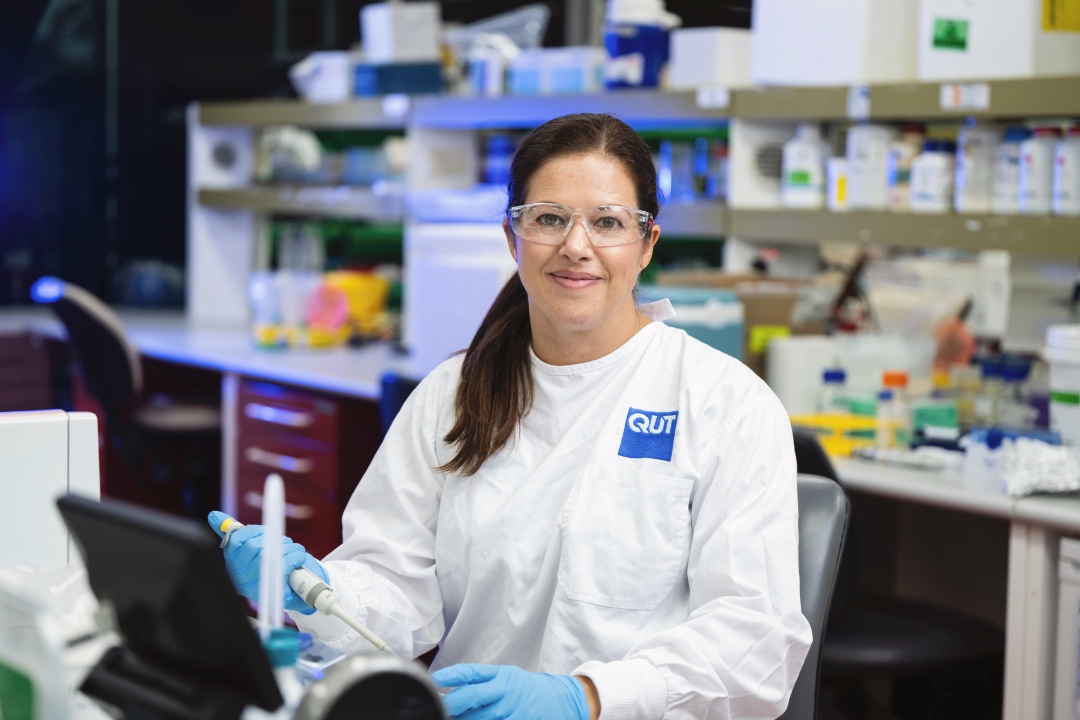
Lead researcher: Dr Emma Bolderson
OCRF research priorities: Finding new and effective treatments
Grant received: $460,552 over two years
Research institution: QUT (Queensland University of Technology
Image provided by Dr Emma Bolderson
Project Details
Ovarian cancer clear-cell carcinoma (OCCC) is a rare and aggressive subtype of ovarian cancer that often becomes resistant to chemotherapy and other available treatments. Usually in ovarian cancer cells that have issues repairing their DNA, treatment drugs called PARP inhibitors (PARPi) are extremely effective, however, OCCC cells don’t generally show defects in DNA repair pathways, making them resistant to PARPi. Dr Bolderson’s team is investigating a new treatment approach that focuses on the process that allows the DNA to fix itself: histone lactylation.
Examining this process, and confirming its role, could establish how a treatment would need to work to stop OCCC cells repairing themselves, and therefore sensitise them to treatments such as PARP inhibitors.
Previously, the team documented the way OCCC cells metabolise, which leads to the production of lactate and showed that lactate added to proteins called histones.
Progress Update: March 2025
We’ll begin our OCRF project by determining the specific sites that lactylation occurs on histones in OCCC cells. Knowing precisely where these changes occur in the DNA repair process will help us in designing a treatment to target this process that is driving OCCC, as well as test currently available treatments.
Dr Emma Bolderson
Aims
Now, with OCRF funding the team aim to:
- Determine, for the first time, the specific sites that the lactate binds to histones in OCCC cells after DNA damage occurs. This will help them understand where in that process a treatment would need to be targeted.
- Test the best way to stop the lactylation process to prevent the OCCC cells from repairing themselves, therefore sensitising them to DNA-damaging therapies including PARP inhibitors.
Approach
Why could preventing ‘histone lactylation’ help treat OCCC?
On a molecular level in chromosomes (bundles of our DNA and genetic information), the DNA is wrapped around structured proteins called ‘histones’ in order to package it nicely within the cell. When DNA is damaged in cancer cells, the DNA needs to be opened up or ‘unpackaged’ from the histone to allow the repair proteins in. The team has shown that lactate, produced when the cells are metabolising, naturally gets added to the histone proteins.
The team believe this process contributes to opening up the DNA to allow the cancer cells to repair. Therefore, if they can develop a treatment to stop lactate attaching to histones and opening up the DNA to allow repair proteins in, it would lead to cancer cells dying. Stopping the production of lactate could also prevent tumours growing as well, potentially preventing recurrence.
However, lactate, which is an enzyme, is still required for muscles to function, so the team will look at ways to stop lactate production at levels that only disrupt cancer cell repair. In OCCC cell lines, the team will look at why the lactylation process is occurring at the breaks in the DNA strand, including determining how it encourages recruitment of the DNA repair proteins that help OCCC cancer cells.
Testing treatment approaches:
Once the team understand exactly where and how lactylation is occurring in OCCC cell DNA repair processes, they will test multiple avenues of treating it to work out which is most effective yet produces the least side effects for patients. One approach will involve blocking the lactylation process by targeting different parts of the DNA repair pipeline to see where stopping it makes the most impact. They will also examine what happens when they block lactylation production altogether, by using a type of drug called a lactate dehydrogenase inhibitor.
A novel peptide therapy for OCCC:
One of the targeted approaches they will trial involves designing a small molecule peptide (which is a sequence of amino acids) that can block the lactylation at specific DNA stand breaks, pinpointing the lactylation process and preventing it from modifying the histones. They will test this novel type of treatment in preclinical lab models, before combining the peptide-based treatment with PARP inhibitors and/or chemotherapy to understand how well it works alone or combined with other commonly used treatments.
To complete these studies, the team will have access to over 1000 ovarian cancer samples (including approximately 100 OCCC samples) from biobanks in Ireland.
Ambition and outcomes
By defining the role of the histone lactylation process in OCCC cell DNA repair, the team will be able to test and gather preliminary data for a treatment approach that could specifically target this rare and difficult to treat ovarian cancer subtype.
If the most promising results are found when lactate dehydrogenase inhibitors are used with PARP inhibitors, then the treatment approach could potentially proceed quickly to clinical trials within the next five years as both drugs are already used in other cancers.
However, if they get promising results with less side effects for their novel peptide-based drug, they could further progress this novel therapy. In addition to initial treatment, this project could lead to improved maintenance therapies for individuals with OCCC to prevent recurrence.
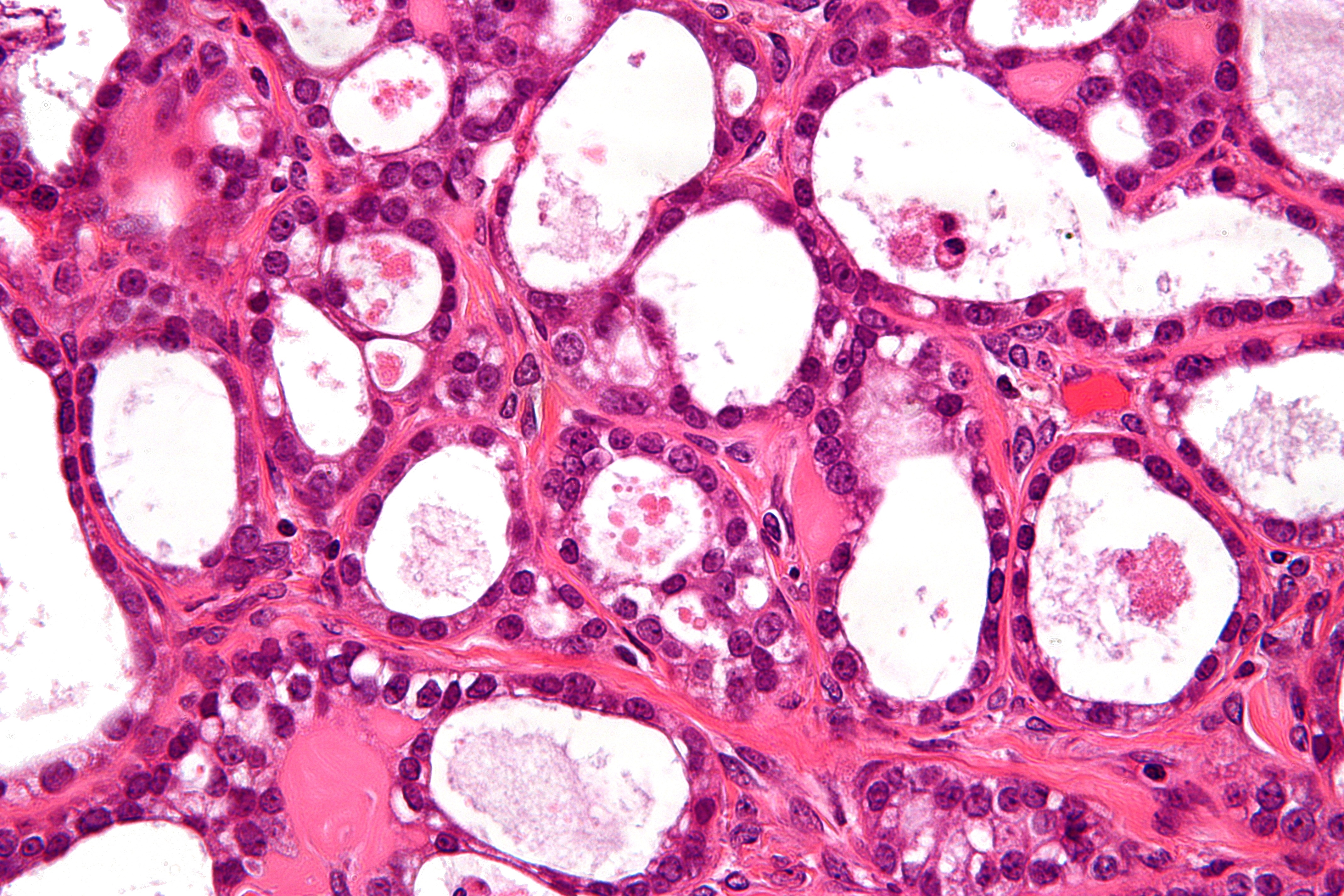
Project Status
This ovarian cancer research project is at the preclinical stage where researchers are conducting extensive studies in the lab with samples and models to verify the effectiveness of their approach as well as evaluating how safe it is likely to be for humans.
Key terms
Lactylation: a genetic modification that can help cancer cells repair themselves.
Read more
- Nature Communications: Bolderson, E, et al. Barrier-to-autointegration factor 1 (Banf1) regulates poly [ADP-ribose] polymerase 1 (PARP1) activity following oxidative DNA damage.

Get the latest news, stories & updates.
