“I wear my bracelet for every woman facing ovarian cancer” – Ainsley’s story
June 09, 2026
Ainsley Hermann was diagnosed with ovarian cancer at just nine years old. Now 24, Ainsley is driven by a passion to raise awareness and see long-overdue progress in survival outcomes for the disease. She shares her story to support our Francesca x OCRF Charity Awareness Bracelet campaign.
Diagnosed with ovarian cancer at just nine years old
Ainsley was a typical Aussie kid, playing loads of sport, spending her weekends outdoors and constantly on the move, when, out of the blue at just nine years of age, she received an ovarian cancer diagnosis that would change her life forever.
Her symptoms began with sharp stomach pains and noticeable swelling in her abdomen. Initially, doctors suspected perhaps a hernia, an early menstrual cycle, or a strained muscle; however, scans revealed a grapefruit-sized mass in her abdomen, signalling something far more serious.
Unsure what the mass was, doctors asked Ainsley’s parents to take her to a paediatric gynaecologist, who saw her scans and rushed her into emergency surgery. Surgeons removed her left ovary and fallopian tube, and when she woke, Ainsley and her family received her diagnosis: granulosa cell tumour, a rare form of ovarian cancer that is most common in women under 30*.
“Being just nine when I received that diagnosis completely changed my life,” Ainsley recalls.
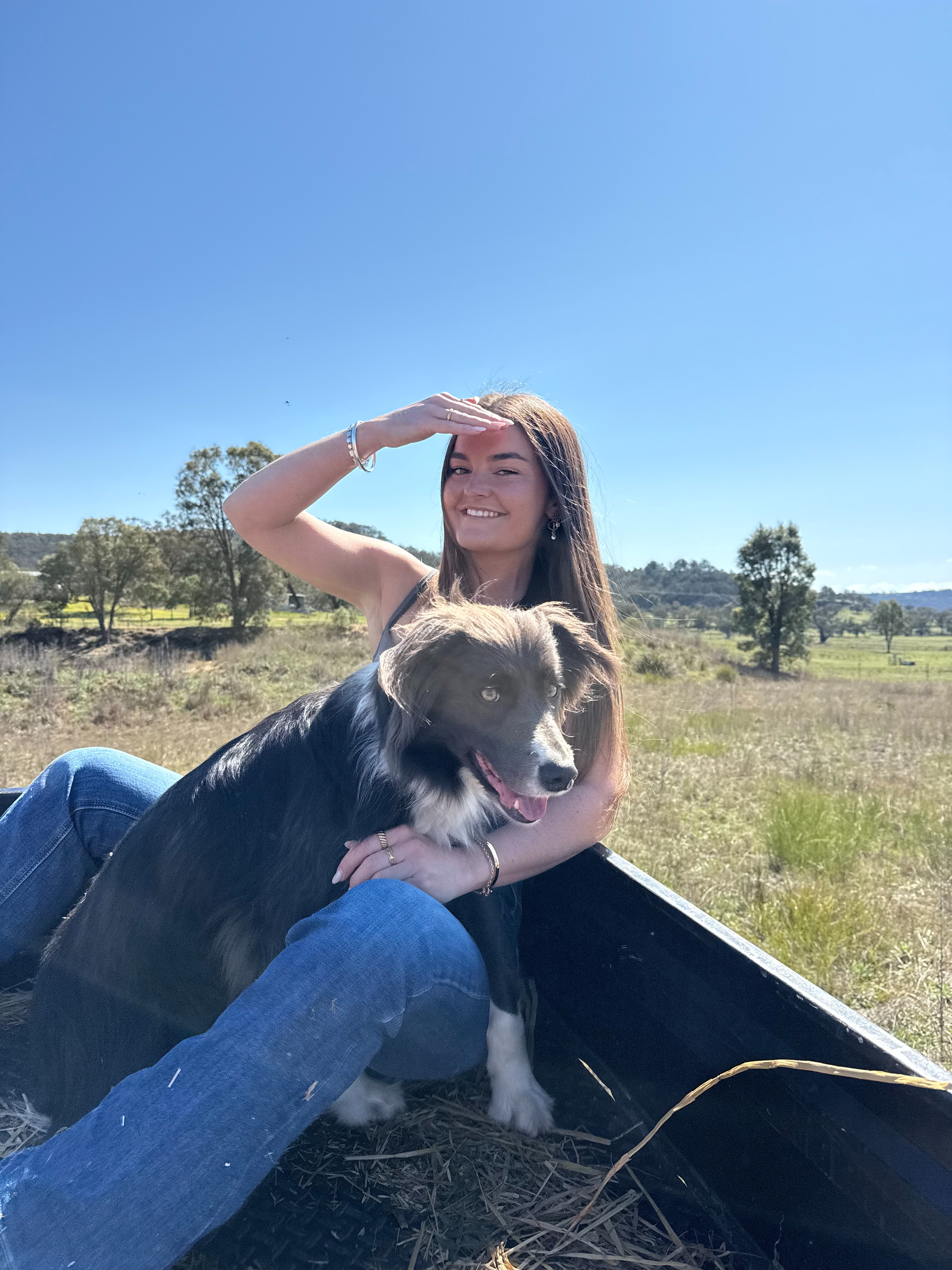
A lack of awareness and understanding
Looking back, Ainsley remembers one of the biggest challenges her family faced was the lack of awareness and understanding around ovarian cancer, especially in someone so young.
“We were told to research my tumour, which, looking back, really highlighted the lack of awareness,” she says. “Since I was only nine, I didn’t fully understand ovarian cancer, and comprehend what was happening, but I can imagine the fear and uncertainty my parents went through hearing that.”
Fortunately, doctors were confident Ainsley’s tumour was confined to her ovary and fallopian tube, meaning she did not require chemotherapy or any additional treatment. She continues to have regular scans and blood tests, and everything has remained clear since.
Life after ovarian cancer
Now 24, Ainsley is living life to the full. Working in chiropractic care and spending her free time outdoors with friends, family and her dog; camping, hiking and chasing adventures wherever she can find them.
Yet her experience with ovarian cancer shapes her outlook and purpose. While awareness of ovarian cancer has improved over the past 15 years, Ainsley knows there is still a long way to go.
“Many people still don’t realise that ovarian cancer doesn’t discriminate against age, lifestyle or family history. It can affect any girl or woman.”And with a 49% five-year survival rate, she knows that she is actually one of the lucky ones.
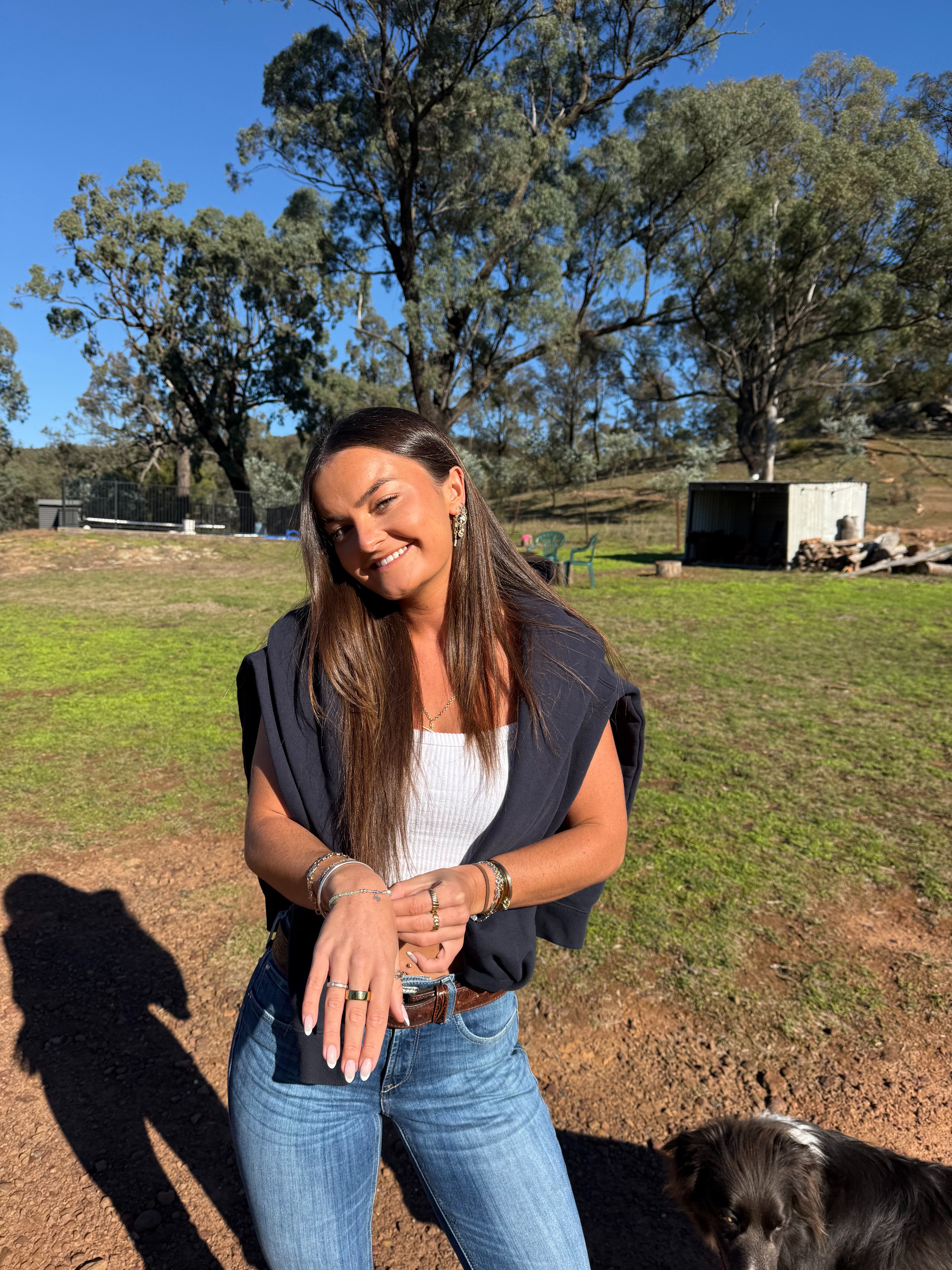
Raising awareness through the Francesca x OCRF awareness bracelet
That message is one of the reasons Ainsley is proudly supporting the Francesca x OCRF Charity Awareness Bracelet campaign. For her, the bracelet is more than jewellery, it is a symbol of hope and collective action.
“I’m wearing my bracelet not only for my younger self, but for every woman who has faced, or is currently facing, this disease.”
By sharing her story as part of the campaign, Ainsley hopes to spark conversations, encourage women to listen to their bodies, and help drive awareness of ovarian cancer, at every age.
Why funding ovarian cancer research matters
For Ainsley, supporting ovarian cancer research is deeply personal. She believes women with ovarian cancer deserve to see the same advances seen in other cancers.
“Funding research is so important because ovarian cancer has been left behind for far too long,” she says.
“The fact that survival rates are still equivalent to the odds of flipping a coin is simply not good enough. We’ve seen the difference research and early detection have made for other cancers, and women with ovarian cancer deserve that same progress.”
By sharing her story, Ainsley wants to raise awareness, inspire action and help create a future where more women are diagnosed earlier, treated more effectively and given the best possible chance to survive, just like she has.
*Less than 2 per cent of ovarian cancers occur in girls under 18. Those that do, such as the type that Ainsley had, show obvious symptoms such as lump and pain, and survival rates are over 90%.
Support the 2026 Francesca x OCRF Awareness Bracelet
Shop the OCRF x Francesca Awareness Bracelet and raise funds for vital ovarian cancer research.
$20 from every bracelet supports ovarian cancer research to help find early detection methods, improve treatments, and preventative methods for the most lethal gynaecological cancer.

Get the latest news, stories & updates.
