New evidence for surgical prevention of ovarian cancer
September 14, 2025
Opportunistic salpingectomy (OS) is a new approach that could help prevent many cases of ovarian cancer. Recent research shows that many ovarian cancers actually begin in the fallopian tubes, not the ovaries themselves1, presenting a significant opportunity for prevention.
What is opportunistic salpingectomy?
Opportunistic salpingectomy means removing the fallopian tubes during another planned abdominal or pelvic surgery, such as a hysterectomy, tubal ligation, hernia repair, caesarean section (when no more children are planned), cholecystectomy or appendix surgery. This extra step does not add significant risk2 to the main surgery but can significantly reduce the risk of developing ovarian cancer in the future.
What is the evidence?
Studies show that removing the tubes during another surgery is a safe way to dramatically lower the chance of ovarian cancer developing3,4. Hospitals in Canada and parts of Europe are already including this as a common practice.
In the absence of an early diagnostic or screening test, this preventative measure has the potential to save many lives. A recent study found that one in four women diagnosed with aggressive ovarian cancer had missed the chance to have their tubes removed during a previous surgery5.
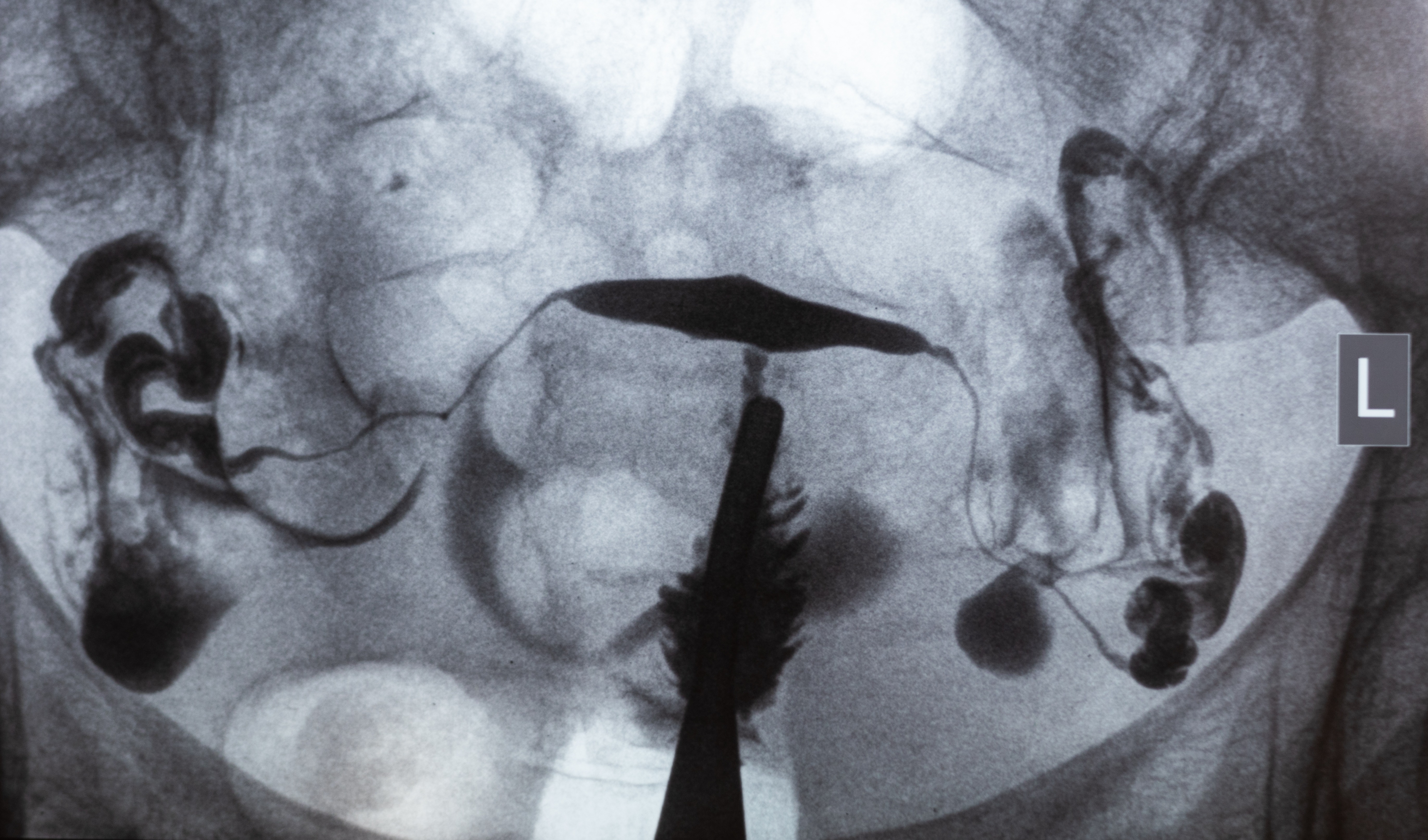
Contrast image of female reproductive organs
Key considerations
Opportunistic salpingectomy is only undertaken when a woman is already having another abdominal or pelvic procedure. Due to the inherent risks and costs of surgery, researchers and doctors are not recommending it as a stand-alone procedure for women at normal risk of ovarian cancer.
At this stage, research indicates that removing the fallopian tubes during these surgeries does not affect the function of the ovaries. In OS procedures, ovaries are retained for hormonal regulation. There is some emerging evidence that OS may cause menopause symptoms to begin slightly earlier, but the reasons for this are not yet understood6.
For women who no longer wish to have children and are considering permanent contraception, tube removal should be considered as a recommended option.
Not every abdominal surgery is appropriate for this procedure, and it must be undertaken by a doctor who is specifically trained. Anyone considering the procedure should discuss and decide under the guidance of their doctor.
Limitations
It is important to note that OS reduces the risk of ovarian cancer, particularly the most common subtypes of serous epithelial ovarian cancer, which are known to originate in the fallopian tubes. It will not prevent some rarer subtypes that originate in the ovaries themselves.
The procedure is only recommended for women with normal risk for ovarian cancer. People with known genetic predispositions, such as variations in the BRCA1 or BRCA2 genes or other increased risk factors, should seek additional medical advice7.
A positive step
This growing evidence of the tubal origin of many ovarian cancers is leading to a major shift in how ovarian cancer risk is managed.
This simple change in surgical practice could save lives while posing little additional risk for women who no longer wish to have children.
Find out more
The Royal Women’s Hospital in Melbourne is at the forefront of research into OS in Australia. Read more about the research and the recommendations in this interview with Assoc Prof Orla McNally, Director of Gynaecological Oncology at RWH or listen to her discuss the topic with Dr Norman Swan on ABC radio’s The Health Report.
Additional information is also available on the Ovarian Cancer Research Alliance (US) website.
References
- https://www.nature.com/articles/s41467-024-52984-1
- https://www.ajog.org/article/S0002-9378(18)30429-0/abstract
- https://pubmed.ncbi.nlm.nih.gov/35138400/
- https://www.jogc.com/article/S1701-2163(23)00641-2/abstract
- https://pubmed.ncbi.nlm.nih.gov/40802262/
- https://link.springer.com/article/10.1007/s00404-025-07974-z
- https://www.thewomens.org.au/news/the-power-of-preventative-surgery-for-ovarian-cancer

Get the latest news, stories & updates.
