A new testing platform that identifies existing cancer therapies that could be repurposed for ovarian cancer reveals promising new treatment
Previously funded OCRF researchers, led Dr Maree Bilandzic at the Hudson Institute of Medical Research, have published findings highlighting a potentially promising drug combination for high-grade serous ovarian cancer (HGSOC).
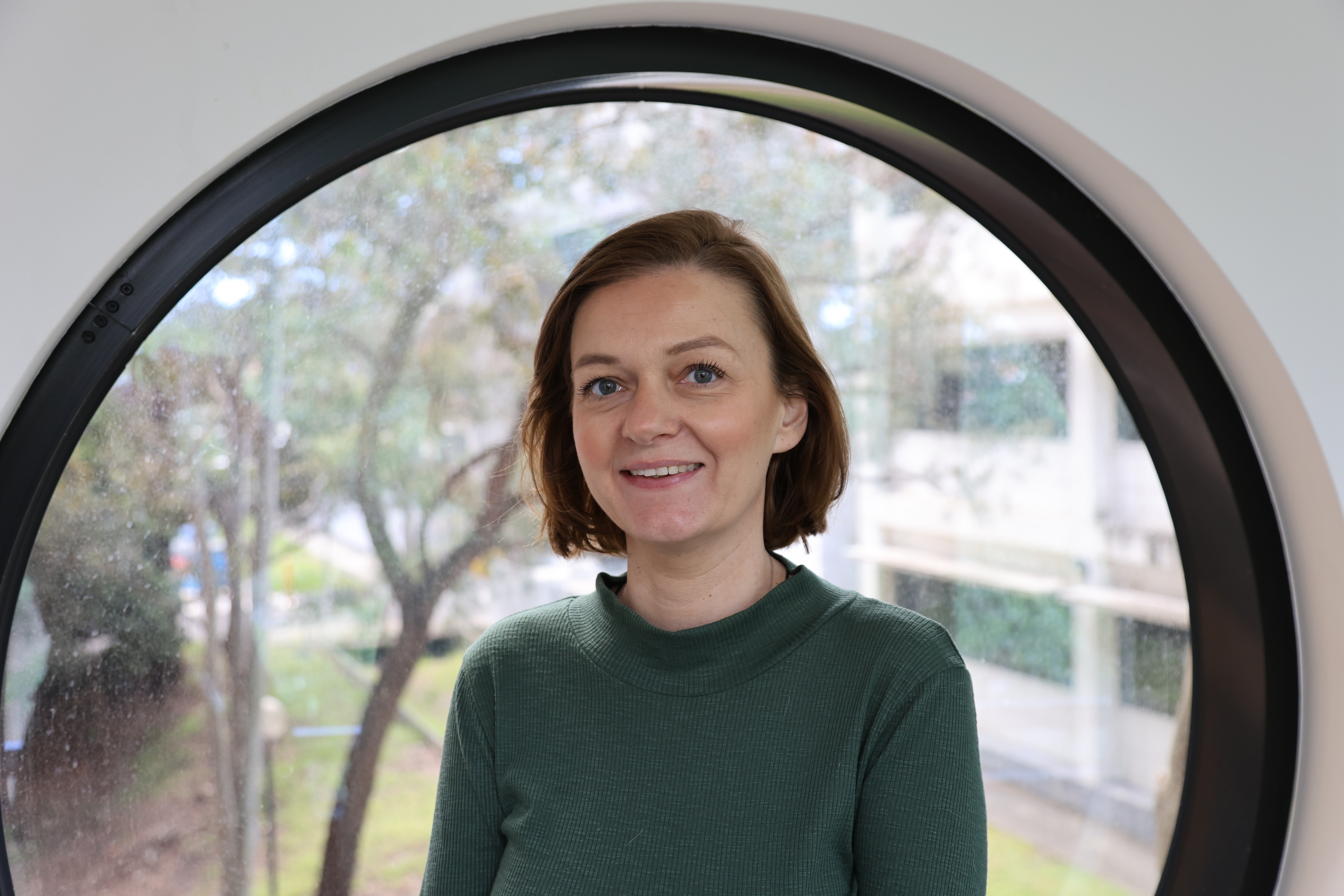
“The development of a 3D screening platform is a critical leap forward in ovarian cancer research, allowing us to better replicate the complex tumour environment and identify treatments that are effective against aggressive, chemoresistant disease. OCRF funding helped lay the foundation for this work, supporting early ideas that have now evolved into a powerful tool.”
Dr Maree Bilandzic
The combination includes rapamycin and the chemotherapy, carboplatin. They demonstrated that adding rapamycin to the treatment improves chemotherapy effectiveness and reduces the size and number of tumours in preclinical lab models.
Importantly, to identify this potential treatment combination, Dr Bilandzic and the team developed a testing pipeline to screen over 1400 FDA-approved existing cancer drugs, and results indicated that 225 may be effective for HGSOC. Their pipeline enabled them to predict which existing therapies may improve clinical response and demonstrates a future method to pre-evaluate treatments options for ovarian cancer, helping avoid unnecessary or ineffective treatment in patients. The team also showed that 3D models known as “spheroids”, which are created in the lab using cells extracted from patients’ ascites fluid, best mimicked a patient’s actual treatment response, improving ovarian cancer research methods.
To me, the most impactful part of this project is its translational potential, this platform could fast-track the development of smarter, more targeted treatments that actually make it to patients sooner.
Dr Maree Bilandzic
These findings are important because over 75% of ovarian cancer patients are diagnosed with late-stage disease and for many the disease returns after initial treatment, at which stage available treatments are often ineffective. Therefore, ways of streamlining more targeted and effective treatments into the clinic are urgently required.
This study demonstrates both an effective drug testing and screening pipeline, which could help other researchers test prospective ovarian cancer treatments and demonstrates the promise of a repurposed drug combination treatment that the team are continuing to investigate.
Demonstrating the impact of OCRF donations, the team’s research continues to provide hope for the community of new, targeted treatment options for ovarian cancer.

Get the latest news, stories & updates.
