OCRF RESEARCH DIRECTORY
Welcome to the OCRF Research Directory— a directory to help you learn about the OCRF-funded research and researchers that are of most interest to you. You can search by selecting a category from the drop-down below and selecting a ‘tag’ that corresponds to your interest areas. Alternatively, you can use the ‘search bar’ to search the name of a specific researcher or research institute, an ovarian cancer subtype or any keyword to see all relevant articles to your search.
 Search suggestions and auto-correct are not available. Please ensure your spelling is correct.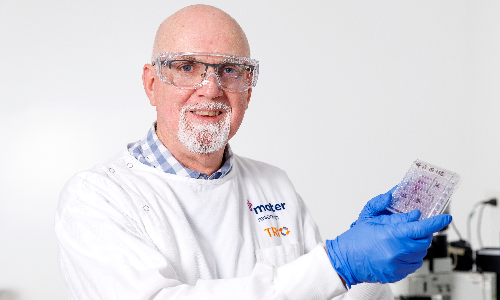
A new radio-imaging, diagnostic agent to guide targeted therapy for epithelial ovarian cancer
Professor Hooper’s team are testing an innovative formula, developed using a small, safe dose of radioactive particles, which could elevate scanning techniques for more effective ovarian cancer diagnosis and targeted treatment.
Early detection
Treatment
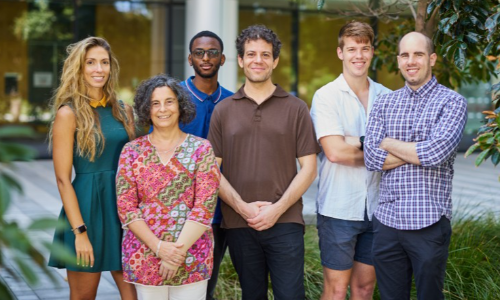
A new therapy to overcome ovarian cancer recurrence and chemoresistance
Dr Alexander Cole’s team are hoping to develop a nanobody that can treat ovarian cancer by targeting a protein called follistatin.
Treatment
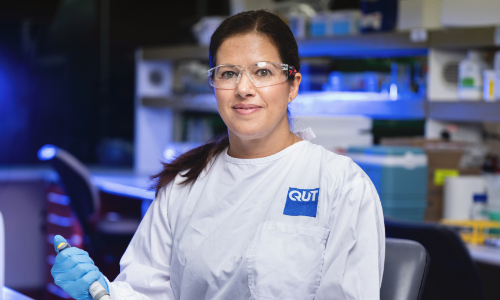
A new treatment approach for a rare subtype of ovarian cancer: ovarian cancer clear-cell carcinoma
Dr Bolderson’s team are investigating whether targeting a process in DNA damage repair involving lactate could provide the foundations of an effective treatment approach for ovarian cancer clear-cell carcinoma.
Treatment
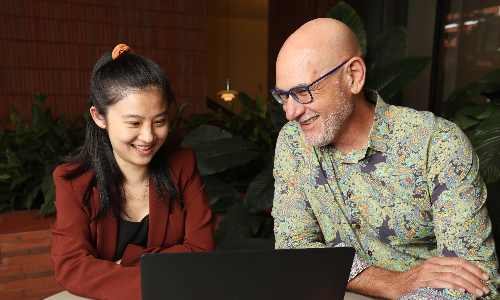
A new treatment that increases immune response to ovarian cancer
Professor Brian Gabrielli is trialling a drug combination that he hopes can both effectively treat ovarian cancer and activate the immune system to prevent its recurrence.
Managing recurrence
Treatment
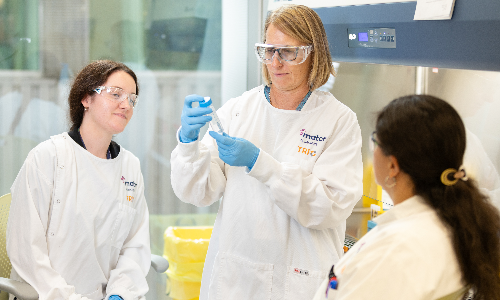
A novel vaccine for ovarian cancer
The aim of this project is to develop a vaccine that treats ovarian cancer by improving the immune system’s ability to recognise and eliminate cancer cells.
Managing recurrence
Treatment
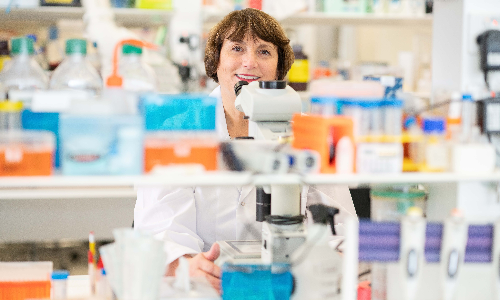
Advancing precision therapeutics for low-grade serous ovarian cancer
Professor Anna DeFazio’s team is working to improve treatment options for people with low-grade serous ovarian cancer by identifying new molecular drivers of the disease and developing more targeted therapies.
Treatment
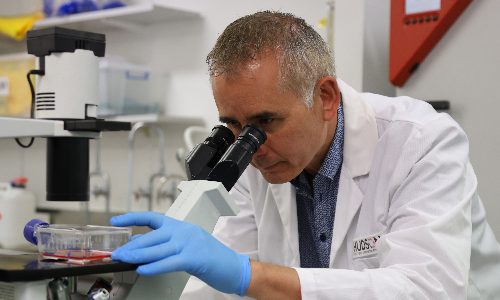
Advancing treatment approaches for a rare type of ovarian cancer: adult granulosa cell tumours
By focusing on the FOXL2-C134W mutation and its interaction with SMAD proteins present in adult granulosa cell ovarian tumours, Associate Professor Simon Chu’s team hope to develop a new treatment for this disease.
Managing recurrence
Treatment
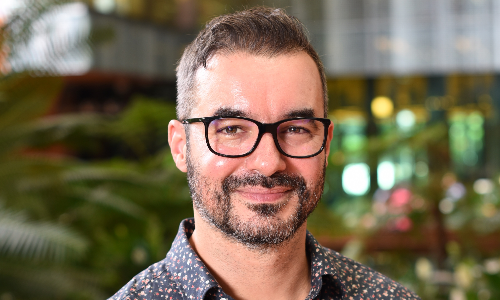
Associate Professor Fernando Guimaraes
Associate Professor Fernando Guimaraes specialises in the development of cancer immunotherapies, with a particular focus on natural killer (NK) cells.
Treatment
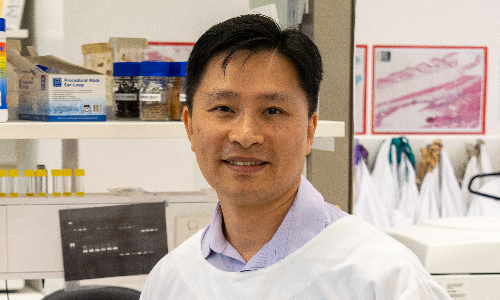
Associate Professor Jason Lee
Associate Professor Jason Lee is a leader in cancer epigenetics, running his lab at The University of Queensland’s Frazer Institute.
Managing recurrence
Early detection
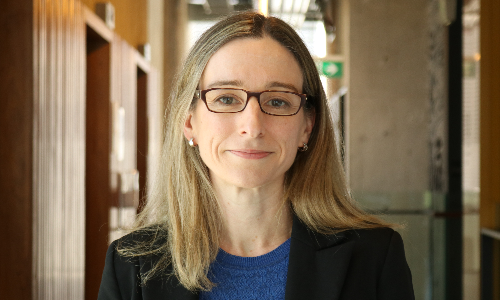
Associate Professor Liz Caldon
Associate Professor Caldon’s research initially specialised in breast cancer, including studies on the similarities between its characteristics and ovarian cancer.
Treatment
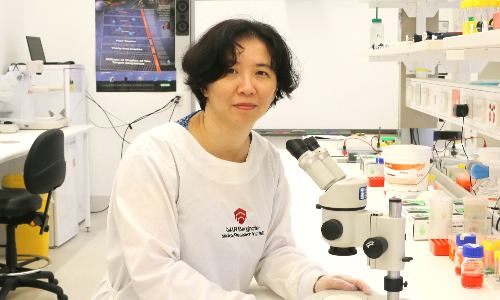
Associate Professor Michelle Hill
Associate Professor Michelle Hill specialises in a field of science call proteomics and examines modifications that impact the way proteins function.
Early detection
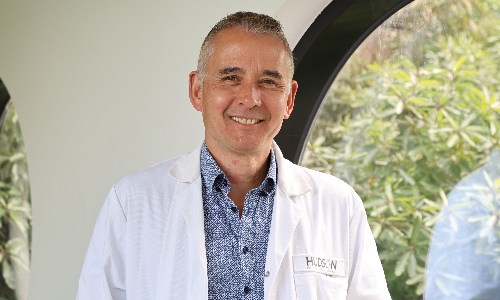
Associate Professor Simon Chu
Associate Professor Simon Chu specialises in research on a very rare form of ovarian cancer, granulosa cell tumours (GCT), which makes up approximately 5-8% of ovarian cancers, with around 100-150 people diagnosed in Australia annually.
Managing recurrence
Early detection

Get the latest news, stories & updates.
