Can a new combination therapy improve outcomes for women with chemo-resistant ovarian cancer?
November 03, 2026
A new Australian-led Phase 2 clinical trial for people with high grade serous ovarian cancer (HGSOC) is expected to get underway before the end of the year.
Reading time: 3 minutes
Key facts
- The PRROSE trial will investigate the combination of narmafotinib with standard-of-care chemotherapy in patients with advanced high grade serous ovarian cancer
- Patient recruitment and trial opening sites is expected before the end of 2026
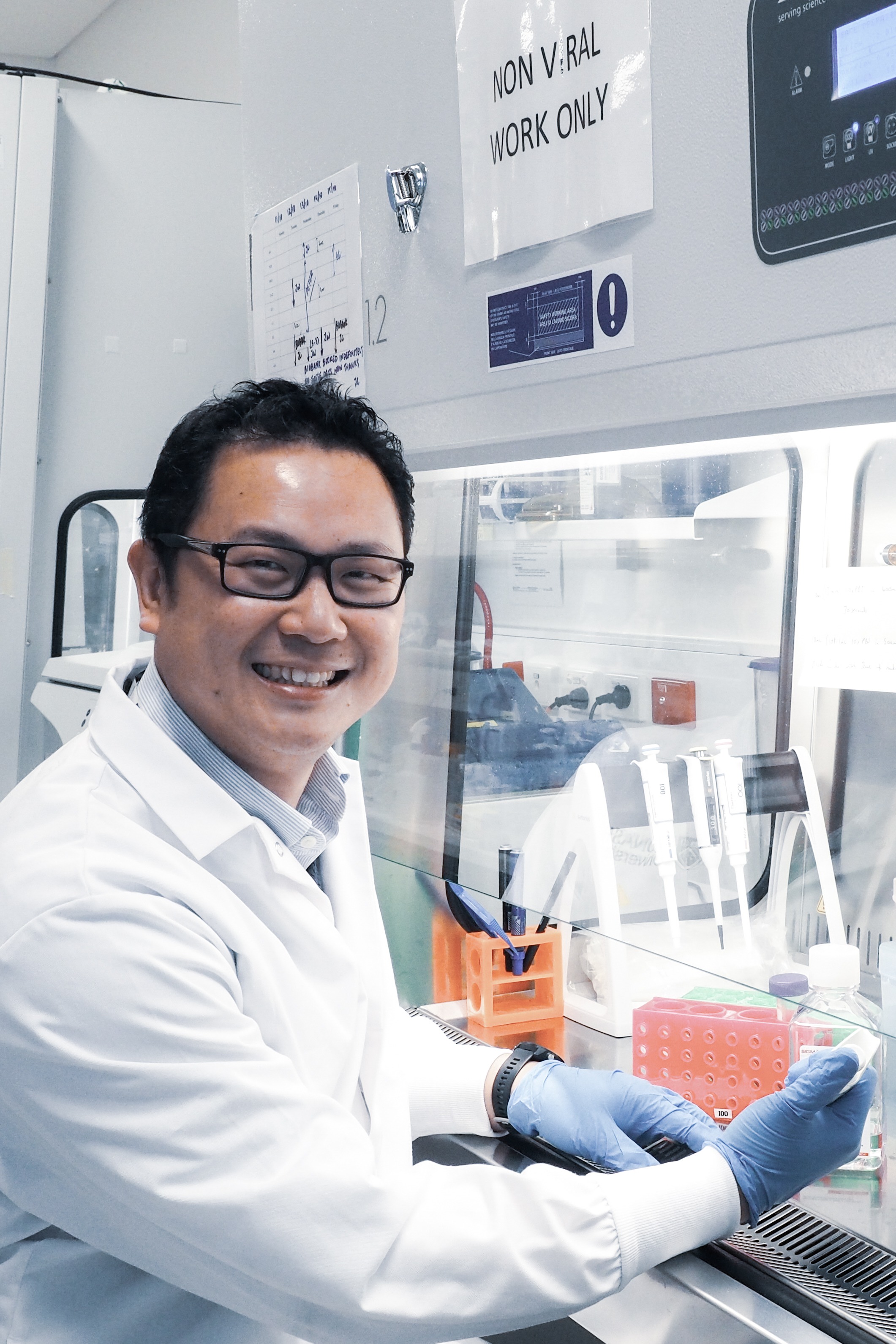
- Led by Dr Gwo Yaw Ho of Monash Health and Monash University
New Australian clinical trial starting soon
A new Australian-led Phase 2 clinical trial for people with high grade serous ovarian cancer (HGSOC) is expected to get underway before the end of the year.
The study will focus on patients whose tumours have responded poorly to chemotherapy, and prior to surgery to remove as much of the tumour as possible. The PRROSE trial will explore the combination of Amplia Therapeutic’s drug, narmafotinib, in combination with standard-of-care chemotherapy in women with HGSOC.
Amplia is already testing narmafotinib in clinical trials of patients with advanced pancreatic cancer.
The PRROSE study will be chaired by Dr Gwo Yaw Ho of Monash Health and Monash University, and sponsored and coordinated by the Australia New Zealand Gynaecological Oncology Group (ANZGOG). Dr Ho is an OCRF-funded researcher, although we did not fund the research that led to this trial. About 26 patients across selected clinical sites in Australia and New Zealand are expected to be enrolled.
The study will assess the safety of the combination treatment and explore whether it can increase the proportion of patients eligible for successful surgical resection. In a statement to the ASX, Amplia Therapeutics Limited (Amplia) and ANZGOG said the clinical trial protocol for the study has been finalised, with ethics and site governance approvals to be submitted with the goal of opening trial sites and patient recruitment before the end of 2026.
What is narmafotinib?
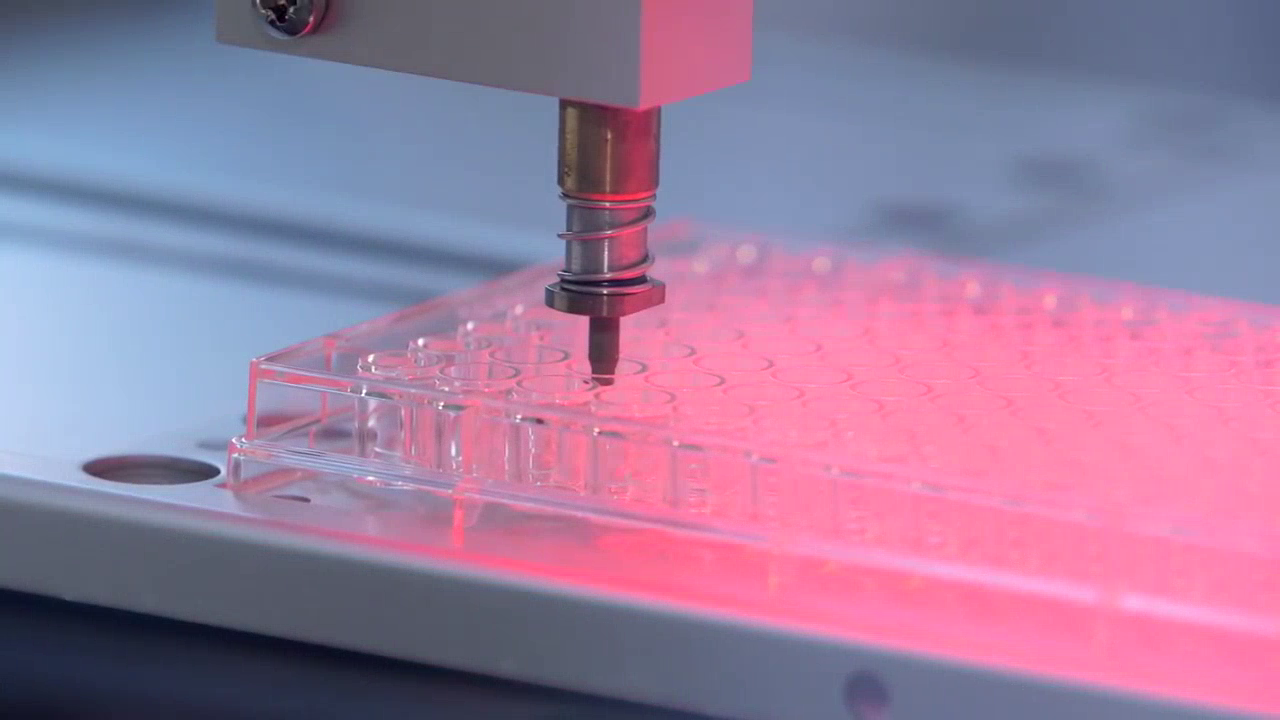
Amplia’s narmafotinib is a Focal Adhesion Kinase (FAK) inhibitor – a drug designed to block the activity of FAK, a protein that can help cancer cells grow, survive and resist treatment. By blocking FAK activity in the cancer cells and the surrounding tissue, it stops the cancer from growing and makes tumours more susceptible to chemotherapy.
Congratulations to Dr Ho and his team. This is an exciting development in treatment research, offering hope for those facing chemo-resistant HGSOC.

Get the latest news, stories & updates.
