Examining long-term survivors of high-grade serous ovarian cancer to uncover new antibody treatment approaches
Dr Dale Garsed’s team are examining the immune response to cancer in long-term survivors (10+ years since diagnosis) of high-grade serous ovarian cancer to determine how antibody-producing immune cells promote survival, and whether this information can be leveraged to develop new treatments.
Lead researcher: Dr Dale Garsed
OCRF research priorities: Finding new and effective treatments
Grant received: $299,584 over three years
Research institution: the Peter MacCallum Cancer Centre
Funded and associated institution: The University of Melbourne
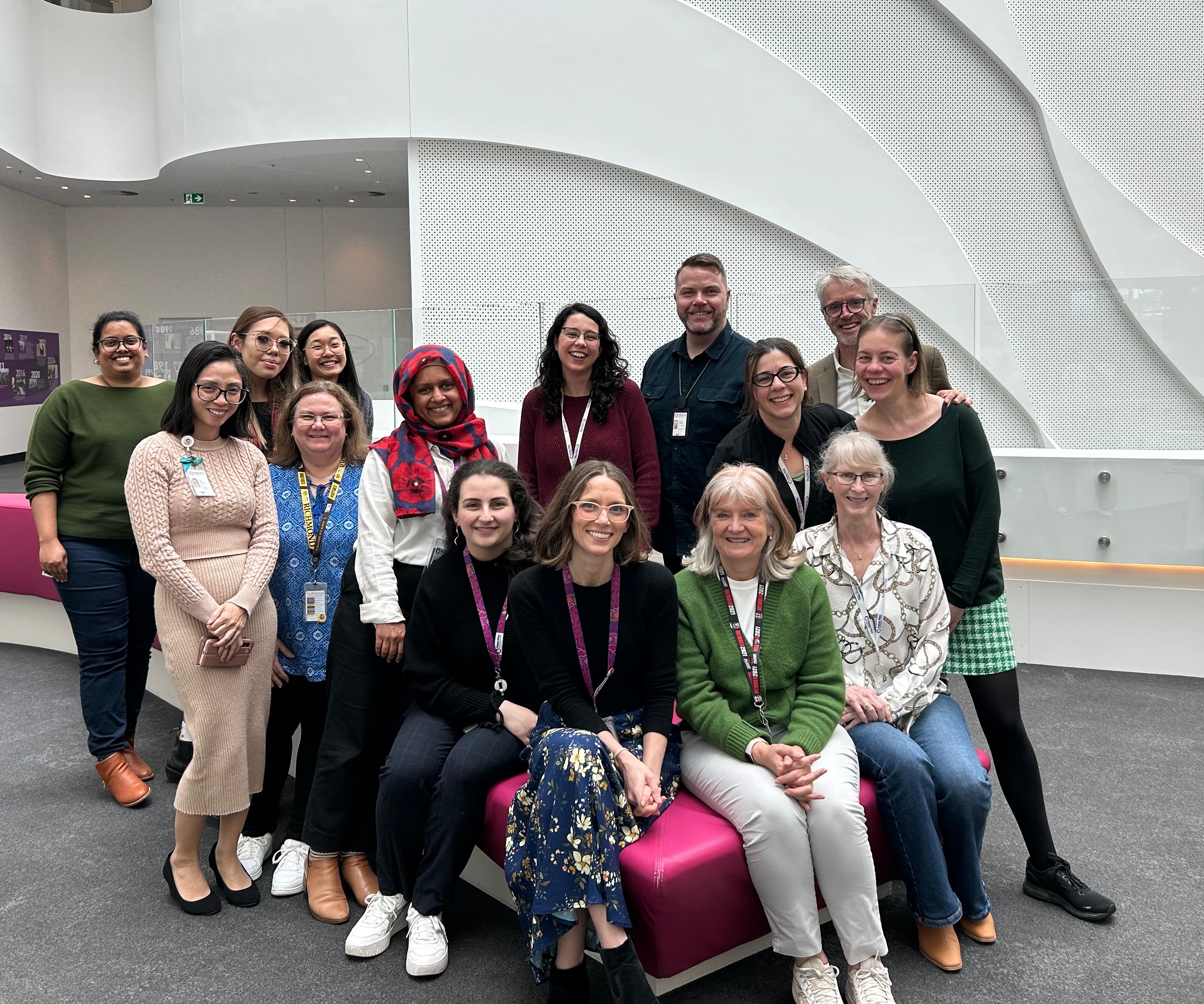
Image: Dr Dale Garsed and team
Extreme back- Sathya Manoharan, Lauren Tjoeka, Therese Hoang Middle row: Linh Nguyen, Joy Hendley, Zarka Samoon, Laura Twomey, Dale Garsed, Nadia Traficante, David Bowtell, Ariena Kersbergen, First row: Rita Saoud, Nikki Burdett, Leanne Bowes, Sian Fereday
LEARN FROM DR ZARKA SAMOON
High-grade serous ovarian cancer: investigating the immune systems of long-term survivors to improve outcomes
Project Details
Dr Dale Garsed’s team seek to understand why some individuals are long-term survivors of high-grade serous ovarian cancer (approximately 15%), despite the average 5-year survival rate of 49%. Why do some individuals respond so well to chemotherapy and other treatments, when others don’t?
Dr Garsed’s initial research demonstrated that survival was not just dependent on the genetics of the tumour; rather there are multiple factors within the tumour that appear to contribute to long-term survival, including immune cells. In many long-term survivors of high-grade serous ovarian cancer (HGSC) the immune system strongly responds against their tumour, helping them survive, but exactly which parts of the immune system are effective is largely unknown. Therefore, the team are taking a deeper dive at a molecular level, to examine the immune cells contained within tumours of long-term survivors, to see if they can uncover information that would help them develop novel treatments to reproduce this exceptional response in other patients with HGSC.
Previous research has shown that when BRCA1 or BRCA2 mutations are present in tumours, there’s also often a higher number of immune cells called T cells, which seems to be associated with long-term survival. However, the team have now demonstrated that regardless of having BRCA mutations, higher levels of tumour-infiltrating B cells and plasma cells (TIL-Bs)—specialised immune cells that are responsible for producing antibodies—can predict whether someone is likely to be a long-term survivor.
In addition to validating the impact of TIL-Bs on long-term survival, Dr Garsed will explore ways to develop this knowledge into a new therapeutic approach.
Progress update: March 2025
So far, we have produced 80 antibodies from four long-term survivor patient samples. Currently we don’t know what the antibodies are reacting to. We know that the B cells produce the antibodies, but it’s unclear exactly how those antibodies are mediating an immune response against the cancer cells. Therefore, we are analysing and documenting the patients with elevated B cell responses and examining their antibodies to understand whether they could form the basis of a future treatment.
Dr Dale Garsed
Aims
With OCRF funding, the team aim to:
- Identify clinical and molecular factors that are associated with higher levels of TIL-Bs and may contribute to the exceptional response seen in long-term survivors of HGSC.
- Examine specific antibodies (produced by immune cells) from long term survivor samples, to determine the specific molecularfactors that may contribute to robust TIL-B responses, and therefore longer survival.
- Characterise the distribution of specific TIL-B cell clones throughout tumours in 4 long-term survivors with high TIL-B levels to determine which are the most promising antibodies for antigen discovery and/or developing therapies.
- Assess the antigens—markers on the surface of cancer cells—that are recognised by these individual antibodies produced by long-term survivors’ immune cells.
- Use large sample sizes of HGSC, other types of ovarian cancer and normal ovarian tissue samples to determine whether antigens are broadly present across many patients or restricted to certain individuals. This will help prioritise the most promising antibodies to develop into new therapeutic approaches.
Approach
Dr Dale Garsed is using data and tissue samples collected via the Australian Ovarian Cancer Study (est. 2001), a large and unique collection led by Professor David Bowtell, which enabled this group of long-term survivors to be identified.
To analyse these samples and data, Dr Garsed is working with an international consortium called the Multidisciplinary Ovarian Cancer Outcomes Group (MOCOG), consisting of the Ovarian Cancer Association Consortium (OCAC) and the Ovarian Tumor Tissue Analysis (OTTA) consortium. This group of world-leading epidemiologists, immunologists, pathologists, clinicians, researchers, patient advocates and other experts collaborate, leveraging each other’s expertise, to better understand ovarian cancer with a particular focus on understanding long-term survival, for the benefit of all those with HGSC.
Identifying and characterising antibodies
TIL-B cells produce antibodies which may help the immune system to identify and eliminate cancer cells. OCRF funding will support Dr Zarka Samoon, a medical oncologist and researcher on Dr Garsed’s team, to identify and characterise the antibodies present in long-term survivors.
This involves single-cell RNA sequencing technology, where the preserved tumour tissue is carefully separated to conserve the single nuclei (cells centre containing its genetic makeup), which retain enough RNA for the team to then perform genomic analyses. This technology uses microfluidic partitioning to capture single nuclei and incorporate specific molecular barcodes to the RNA from each single nucleus, so that individual sequences can be mapped (using the barcode) back to the original cell. The team use this approach to identify each unique antibody sequence in individual TIL-Bs, which is required to reproduce antibodies in the laboratory.
In their earlier studies the team have completed this process in four long-term survivor patient samples and have already reproduced 80 antibodies. To evaluate which antibodies specifically bind to cancer cells, including HGSC (and therefore may be effective within an HGSC treatment), the team will analyse binding patterns using flow cytometry and immunohistochemistry. This will provide valuable information on how different antibodies produced by immune cells interact with cancer cells. For example, they may focus on those that bind to the surface of HGSC cells, as it’s easier to develop a new therapy that can bind to the outside of a cell.
The team ultimately want to develop a treatment that would benefit as many patients as possible. This means they will also perform thorough testing to ensure that the antibodies they prioritise for development as a treatment, target antigens present in most HGSC cases.
Ambition and outcomes
Short term, this project will provide insight into the role of tumour infiltrating B cells and plasma cells in promoting long-term survival, and determine whether there are ways to boost the immune response in other patients with ovarian cancer.
Long-term, the team hope that this work could lead to the development of potential new treatments, including:
- Harnessing antibodies with anti-tumour properties that trigger responses, activating other immune cells;
- Developing ‘pay-loaded’ antibody-drug-conjugates that would better target chemotherapy treatments to cancer cells, providing better response rates and fewer side-effects;
- Developing new cancer vaccines that stimulate coordinated B cell and T cell responses to prevent relapse after chemotherapy.
While this project is currently applicable to high-grade serous ovarian cancer, if successful, future studies could also evaluate other ovarian cancer subtypes, as well as patient cohorts that have been treated with PARP inhibitors.
Project status
This ovarian cancer research project is at the preclinical stage where researchers are conducting extensive studies in the lab with samples and models to verify the effectiveness of their approach as well as evaluating how safe it is likely to be for humans.
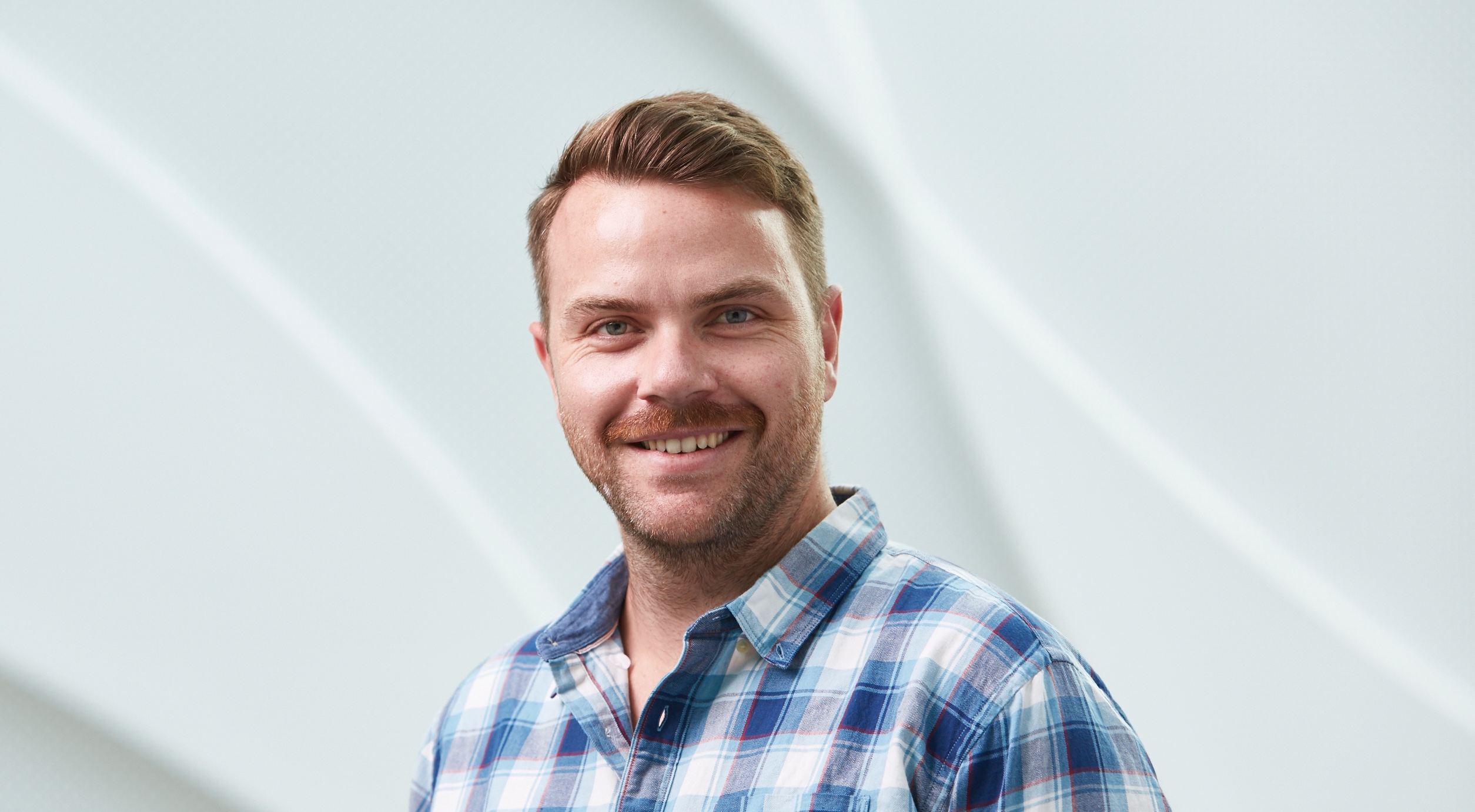
Image: Dr Dale Garsed
Key terms
Genomics: is the study of DNA and RNA using sequencing technology, to characterise the unique molecular alterations in individuals or their cancers that may contribute to disease or predict responses to treatment.
Antibody: Antibodies are protective proteins produced by the immune system to attach to and target antigens for neutralisation or elimination.
Antigen: any molecule that is recognised by the immune system, often foreign substances in the body such as bacteria, fungi, viruses and toxins, or can be within or produced by cancer cells.
TIL-B clone: refers to the group of immune B cells that share the same DNA sequence as the unique antibody responsible for targeting specific antigens on the cancer cells.
Read more
- OCRF News: OCRF sponsors collaborative international consortium of world-leading researchers
- Nature Genetics: The genomic and immune landscape of long-term survivors of high-grade serous ovarian cancer. 2022
- Journal of Clinical Investigation: Immunological and molecular features of the tumor microenvironment of long-term survivors of ovarian cancer. 2024

Get the latest news, stories & updates.
