Dr Dane Cheasley
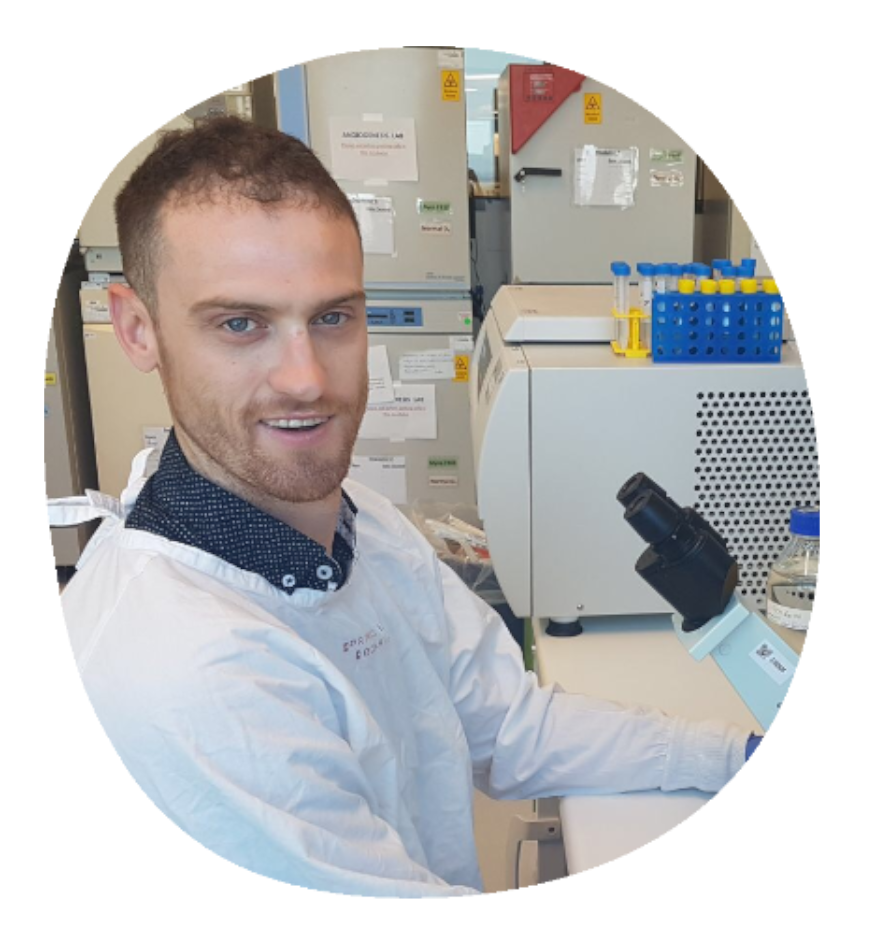
Research Institution: Cancer Evolution and Metastasis Program, The Peter MacCallum Cancer Centre
OCRF priorities the researcher addresses: Treatment, Managing Recurrence
Their OCRF-funded research projects: Preclinical validation of new therapies for low grade serous ovarian cancer
Perhaps we should be designing treatments for patients, not just to extend their progression-free survival, which means holding off disease progression for longer, but to actually…cure them. That’s what I’m aiming for. I really want more than improvement.”
About Dr Cheasley’s research
Dr Dane Cheasley is a recognised expert in rare ovarian cancer treatment research. He’s investigating several types of rare ovarian cancer, collectively called low-grade serous ovarian cancer (LGSOC). Presenting an urgent need, LGSOC patients have a low response rate to available treatments.
A limited understanding of how LGSOC cancers work and behave differently to other cancers has been a barrier to developing effective treatments against them. As a specialist in multiomics — a study approach holistically examining the life of a gene being converted to a protein within the body — Dr Cheasley is providing crucial answers to these questions.
Background
A lecture series on cancer biology piqued Dr Cheasley’s interest during his Bachelor of Science degree at La Trobe University. Dr Cheasley sought out his lecturer, a DNA sequencing expert, who put him in touch with a specialist on intestinal cancer and stem cell biology. This meeting led to a PhD that kickstarted his research career.
He continued his intestinal cancer research at the Walter and Eliza Hall Institute of Medical Research before moving to the Peter MacCallum Cancer Centre where he researched genetic risk factors for breast and ovarian cancer before shifting to LGSOC.
Career highlights
Dr Cheasley is proud of the increasing contribution his team makes to the rare ovarian cancer sector with highlights including:
- Award of a fellowship through the Australian Gynaecology Cancer Foundation, allowing his team to identify genetic drivers of LGSOCs.
- A Medical Research Future Fund grant of over $1M that enabled him to trial approved drugs that hadn’t been tested on LGSOC with promising results that led to his OCRF grant.
- Identification of drugs that can target subtypes within LGSOC, forming a basis for tailored treatments.
Collaborative impact
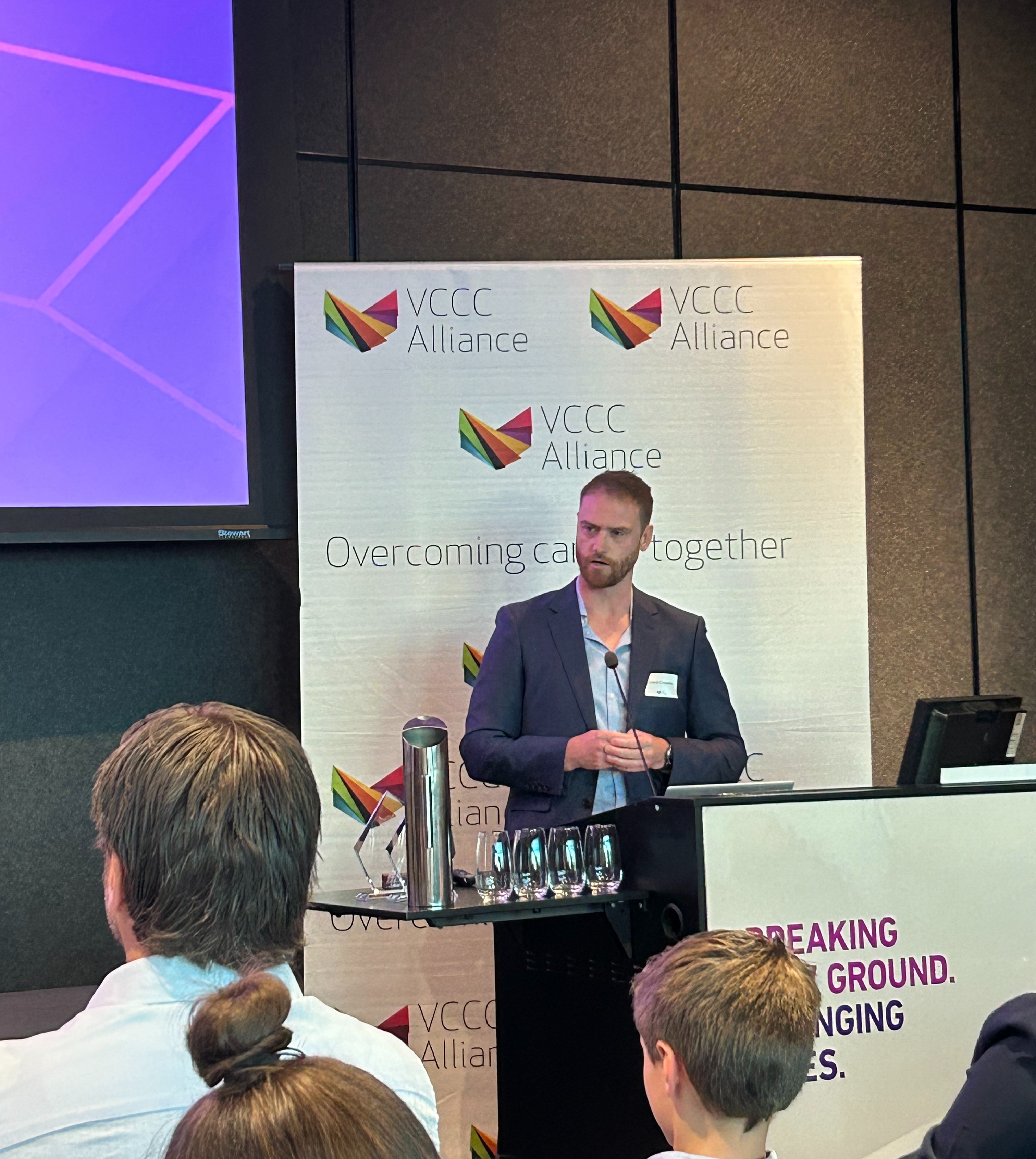
Ovarian cancer is considered a rare cancer and LGSOC even rarer. Its rarity means funding and samples are scarce and it's understudied and difficult to work on, unless, in Dr Cheasley’s words, “you get good collaborators”. With OCRF-funding, Dr Cheasley will work closely with Professor Mark Carey, a medical oncologist and head of the Canadian Clinical Trials Group and a group leader at Vancouver General Hospital. He has established the largest global collection of patient derived LGSOC samples. Dr Cheasley shifted to LGSOC research because he wanted to join the inspiring researchers he’d met in the global field who genuinely want to help a patient group in urgent need. He is currently a member of the International Consortium for Low-Grade Serous Ovarian Cancer.
For every project like this, many more can’t get underway due to a lack of funding. Support research like this to help them move forward.
Share page

Get the latest news, stories & updates.
