Dr Elizabeth Christie
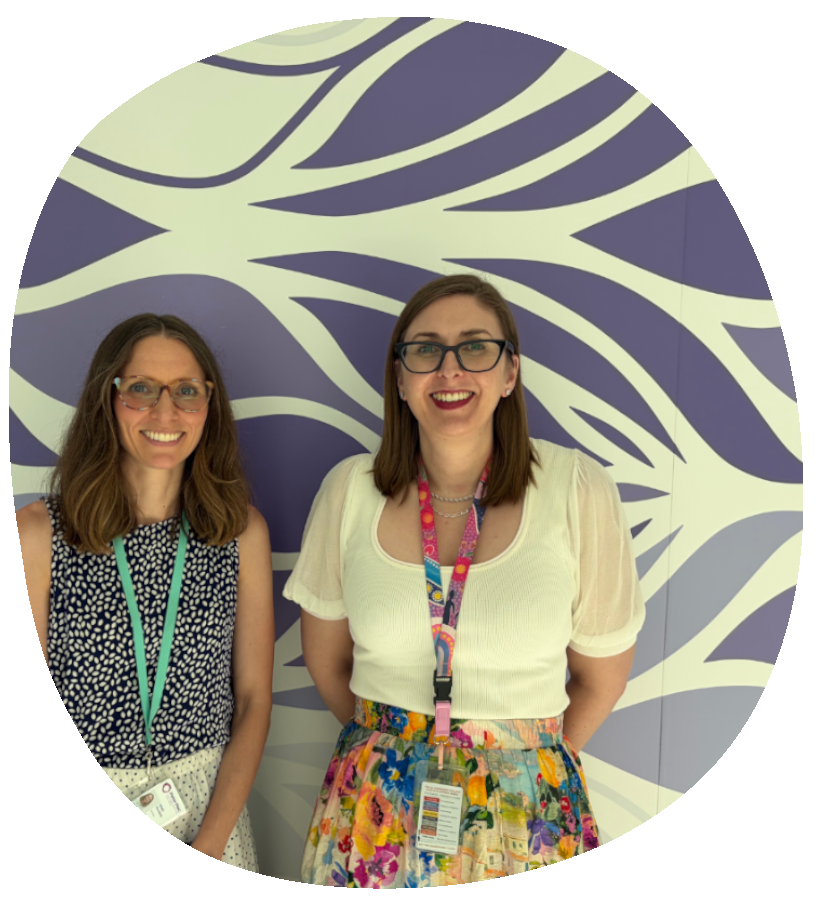
Research Institution: Peter MacCallum Cancer Centre, The University of Melbourne
OCRF priorities the researcher addresses: Treatment
Their OCRF-funded research projects: Targeting unique features of ovarian cancer with whole genome doubling for improved treatment
Rather than a one-size-fits-all approach, I would love to see more precision medicine options for ovarian cancer patients that could help them get the treatment most likely to be effective for their cancer and avoid side effects wherever possible.”
About Dr Christie’s research
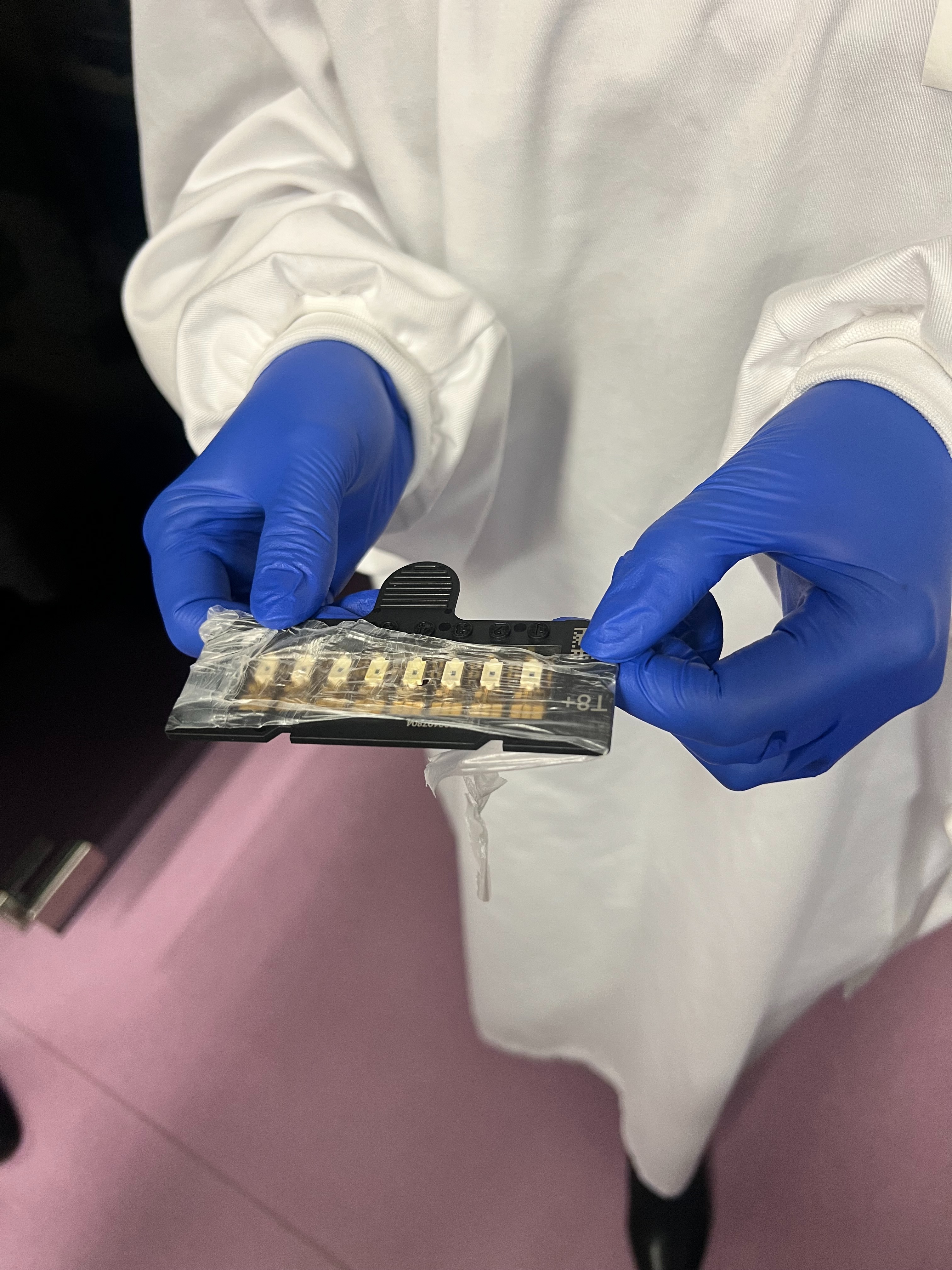
Dr Elizabeth Christie is a specialist in ovarian and endometrial cancer research, working specifically on how cells from these cancers can become resistant and outsmart available treatments.
Her team is now investigating a new way to treat high-grade serous ovarian cancer, targeting cancer cells where whole genome doubling (WGD) has occurred and as such they have twice the amount of DNA, contributing to helping the cancer resist treatment.
Involvement in both the CASCADE program and the Australian Ovarian Cancer Study has been vital because these two studies have provided important samples to enable Dr Christie’s research, allowing her to study how cancer resistance occurs over decades.
Background
Dr Elizabeth Christie knew very early that science was her passion. While in Year 8 at high school, she attended a summer program at the University of Melbourne, where she worked with lab researchers in the Department of Genetics—an experience that saw her heart set on becoming a scientist. In Year 10 she completed work experience at the Murdoch Children’s Research Institute, working on a project investigating inherited diseases in children. She found herself gravitating towards medical research that centred on improving patient outcomes.
Her mother developed cancer while Dr Christie was still in high school, which provided personal motivation to focus on a future in cancer research. Dr Christie’s PhD studies at the Ludwig Institute for Cancer Research and The University of Melbourne used zebrafish to investigate processes involved in the development of the intestine as they can be recapitulated in the development of colorectal cancer.
During her PhD, she heard a seminar delivered by Professor David Bowtell on ovarian cancer, which in turn inspired her to become an ovarian cancer researcher, joining his laboratory to complete her postdoctoral studies.
In 2022 she became Group Leader in the Cancer Evolution and Metastasis Program at the Peter MacCallum Cancer Centre.
Career highlights
- In 2013, Dr Christie worked with OCRF-funded researcher Dr Dale Garsed on a whole genome sequencing study. This analysis showed that patient tumours and cancer cells can have many methods to resist treatment, and was the first time some of these methods, or resistance mechanisms, had been identified in patients. It was an important step in understanding cancer treatment resistance, prompting multiple research leads and opportunities.
- Working with people with lived experience of ovarian cancer has been hugely influential to Dr Christie’s research: 'being able to talk to patients and understand how their experience, anxieties and insights can influence our work and direction is really valuable.' The team regularly meet with a group of consumer advocates to ensure they maintain lived experience perspectives in their work.
Collaborative impact
Dr Christie is currently a member of the US Department of Defence OCRP Ovarian Cancer Academy, which provides newly established laboratory heads with mentoring, networking and training opportunities. This program contributes funding for ovarian cancer research to Dr Christie’s lab, and each of the 13 investigators also have two mentors which has developed a community of international researchers and enables collaboration.
Working closely with clinician researchers, who are at the frontline working with patients, delivers invaluable insights for Dr Christie and her team. Dr Nikki Burdett, a medical oncologist and postdoctoral researcher in the Christie lab, provides a constant reminder of what’s needed in the clinic, in particular highlighting the urgent need for new treatments and bringing new research questions to the team. Dr Christie also collaborates with Professor Linda Mileshkin and Dr George Au-Yeung who are researchers and medical oncologists at the Peter MacCallum Cancer Centre.
For every project like this, many more can’t get underway due to a lack of funding. Support research like this to help them move forward.
Share page

Get the latest news, stories & updates.
