Supported by collaborative OCRF funding, published results of large-scale drug screen uncovers a three-pronged, tailored treatment approach for a rare ovarian cancer
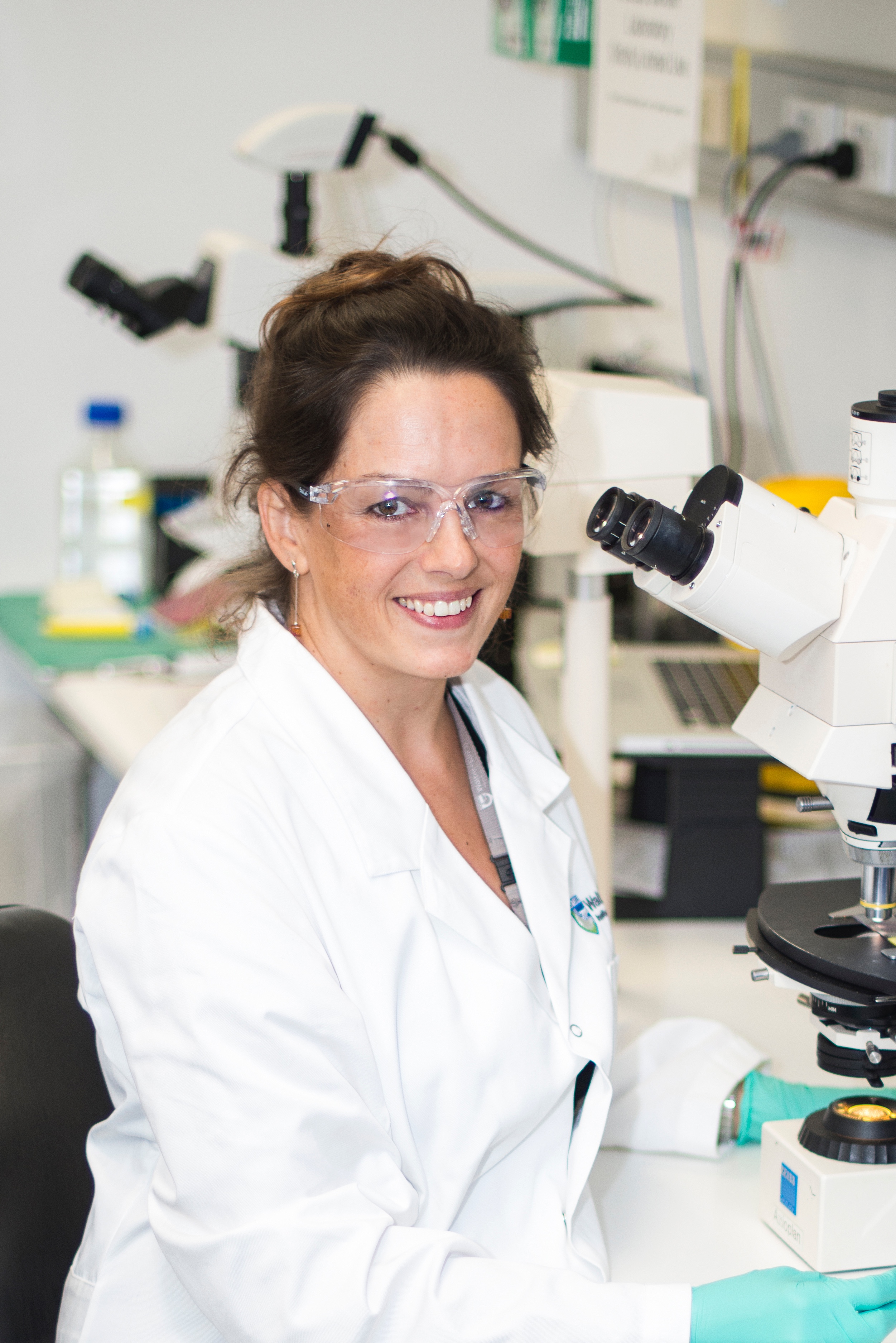
In January, Australian researchers, led by Dr Holly Barker, from WEHI, published results of a study testing a new three-pronged treatment approach for ovarian carcinosarcoma (OCS). OCS is a rare and aggressive subtype of ovarian cancer, and often patients don’t respond well to available treatments because they are not tailored to this specific subtype of cancer — this is why Dr Barker’s findings offer much hope for people affected by this disease.
Published in the Journal of Experimental and Clinical Cancer Research the study highlights a triple-combination therapy, including a drug called eribulin, and two other drugs targeting a pathway that OCS cancer cells rely on, stopping the cancer cells growing and communicating.
Reading time: 3 minutes
Image Dr Holly Barker
We have identified a vulnerability in these cancers that we can exploit with specific targeted therapies that have already been tested in patients with other cancers. This could mean these drugs could be more rapidly trialled as a new treatment combination for OCS in the future.
Dr Holly Barker
What did the researchers do in the lab?
Because platinum-based chemotherapy is the current standard treatment for ovarian carcinosarcoma, the team tested drug combinations alongside the platinum-based chemotherapy, cisplatin, as well as another chemotherapy agent, eribulin, which the team is also evaluating currently for OCS in a clinical trial.
Using an advanced technique called ‘high-throughput drug screening’, the researchers tested almost 4000 drugs in combination with eribulin or cisplatin to see which combinations worked the best. From this large screen, the 181 most promising drugs were shortlisted before being further narrowed to four key drugs, which were then tested in OCS cell lines and lab-grown tumour models called organoids. They found:
- Their experiments revealed that the treatment combination would need to block the EGFR/MAPK cell pathway, which this cancer appears to rely on, and targeting this pathway made the cancer cells dramatically more responsive to eribulin treatment.
- In organoid models, they found that the most effective combination involved three drug compounds: lifirafenib (a dual EGFR/RAF inhibitor, targeting the MAPK pathway), mirdametinib (a MEK inhibitor, also targeting the MAPK pathway) and eribulin, which effectively killed even the drug-resistant cancer models.
- Addition of just a tiny dose of eribulin, significantly increased responses seen with the MAPK pathway-targeting drugs, and outperformed cisplatin combination treatments for this type of cancer. This provided additional proof that OCS has different characteristics to the most common ovarian cancer subtype, high-grade serous, for which platinum-based chemotherapy can be effective. It’s further evidence of the need for tailored treatments or ‘personalised medicines’ that specifically target each ovarian cancer differently.
Ten OCS models were used in this study in total, and the researchers note that this is the largest collection of OCS preclinical models published to date — importantly, boosting knowledge for other researchers investigating OCS. These lab models included organoids, a type of model Dr Barker specialises in developing. Organoids replicate some of the complexities of cancer environment in the human body, improving testing accuracy and clinical relevance.
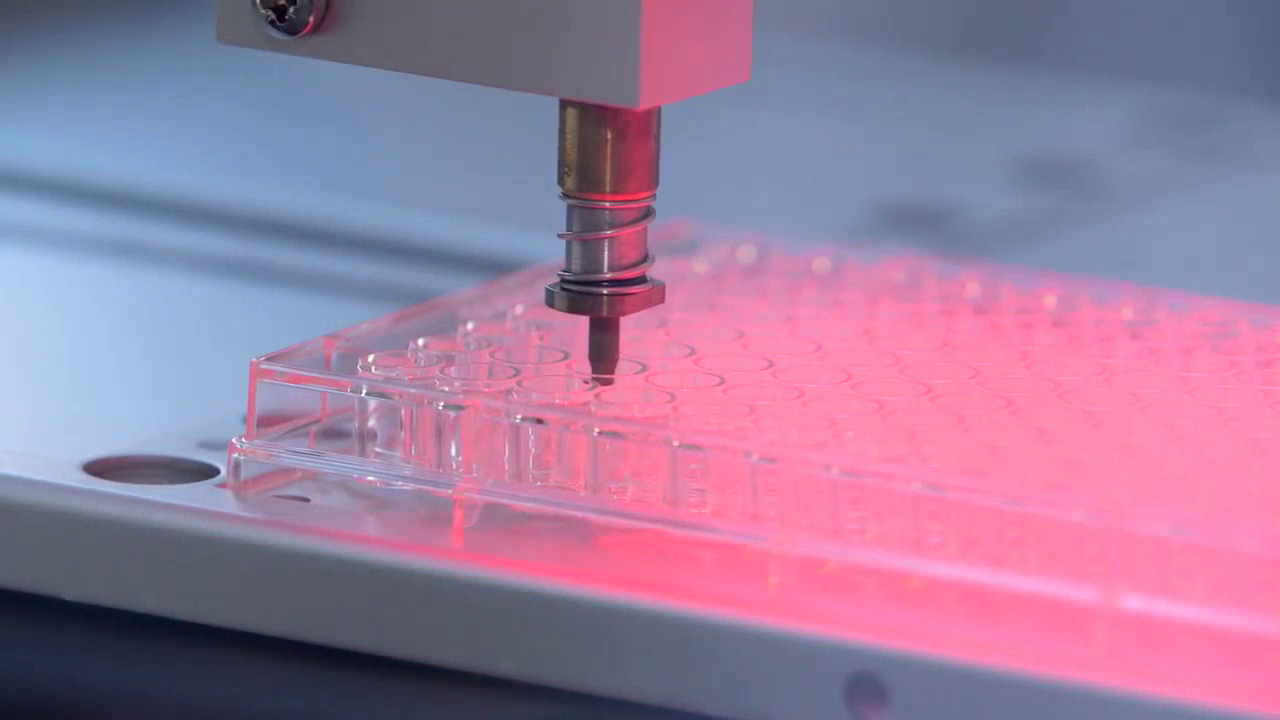

Eribulin is also the focus of an ongoing trial, as mentioned above, the Eribulin and Pembrolizumab in Ovarian and Uterine Carcinosarcoma or “EPOCH trial”. Also involving Dr Barker, the trial, which recently closed recruitment, is investigating how well eribulin treats OCS by itself and in combination with pembrolizumab, a type of immunotherapy.
The OCRF donation enabled us to study a rare cancer, research that we might have struggled to get funded through conventional routes. Although rare cancers are becoming increasingly recognised, it still can be difficult to get funding for something that doesn’t appear to affect many people. As well as screening a large number of drugs that are already approved for other diseases and quickly narrowing down the most effective combinations for this cancer type. This funding also enabled us to refine our high-throughput drug screening platform for organoid models, thus supporting our study of combination therapies for other rare gynaecological cancers.”
Dr Holly Barker
Progressing the research, the team are continuing to use cutting-edge technologies to study OCS and test potential new treatments, because these cancers need to be treated individually, and will require more than one approved combination treatment strategy to be available for patients.
Research for both this publication, OCS discovery working published in 2022, and the trial has all stemmed from collaborative grant funding awarded by Cancer Council Victoria and the Ovarian Cancer Research Foundation (OCRF), exemplifying the importance of OCRF donations in spurring hope and new advances, ensuring those affected by the rarest subtypes aren’t forgotten.
Help support ovarian cancer researchers by donating during Ovarian Cancer Awareness Month or sign up to our newsletter to learn more about the important research underway.
References
Farrell A, Dall G, Vandenberg CJ, Shield-Artin K, Kyran EL, Blackmore T, Lim R, Taylor R, Neagle C, Ratnayake G, Tan T, Mouradov D, Hadla A, Jarman K, Beard S, Jarratt A, Penington JS, Wakefield MJ, Papenfuss AT, Scott CL, Barker HE. High-throughput drug screening identifies EGFR/MAPK pathway targeting sensitivities in organoid models of ovarian carcinosarcoma. J Exp Clin Cancer Res. 2026 Jan 6. doi: 10.1186/s13046-025-03629-8. Epub ahead of print. PMID: 41495830.

Get the latest news, stories & updates.
