What does the melanoma vaccine breakthrough mean for ovarian cancer?
November 03, 2026
It’s being hailed as a historic moment for global cancer research - a world-first cancer vaccine has been shown to significantly reduce melanoma recurrence and deaths. What is it, and could it work for ovarian cancer?
Reading time: 3 minutes
The Australian-led phase 3 trial found that the vaccine resulted in a 42 per cent reduction in the risk of melanoma coming back.
The findings were presented at the European Society of Medical Oncology (ESMO) Congress in October and will be published in the New England Journal of Medicine later this year.
Melanoma Institute of Australia medical director and principal investigator Professor Georgina Long told the ABC: "This breakthrough is absolutely transformational. It's a foundational shift in the way we use the immune system to target and kill cancer."

Is it a vaccine?
Although referred to as a vaccine, in effect it's a personalised treatment delivered via injection. The treatment being tested is an mRNA-based neoantigen therapy, called intismeran, jointly developed by MSD (Merck and Co) and Moderna. The neoantigen is made from genetic information collected from a patient’s own tumour.
In the trial, intismeran was given to 1,137 patients who also received pembrolizumab immunotherapy after surgical removal of melanoma, and compared to patients who only received immunotherapy. Adding both drugs together rather than one improved or decreased patients' risk of recurrence or death by 42 per cent.
What does it mean for other cancers?
The therapeutic vaccine is already being tested in other cancers, including lung, bladder and pancreatic cancers. It works well in melanoma due to an abundance of cancer cell mutations that make them distinct from healthy cells. And while it may work well in multiple other cancers, others may not be suitable – and that could include ovarian cancer, which is notoriously hard-to-treat.
Leading ovarian cancer researchers explain what the development could mean for ovarian cancer
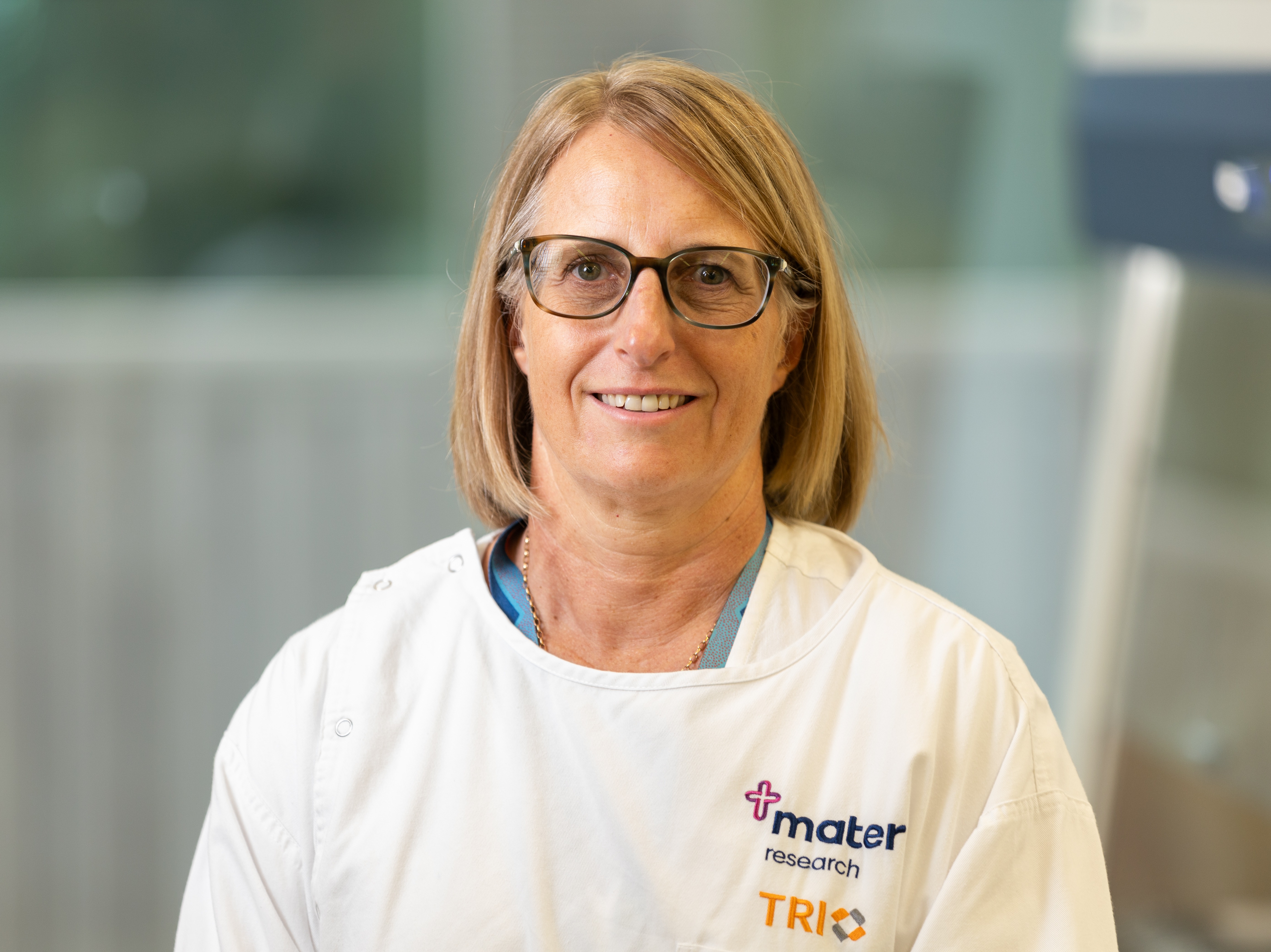
Prof Kristen Radford, OCRF-funded researcher
Mater Research
“This is a huge milestone that will transform how we treat cancer. These patients had their tumours surgically removed but were considered to be at high risk of recurrence. Their immune system was therefore less likely to be compromised by standard cancer treatments and their disease burden low or non existent at the time of vaccination. In addition, melanoma is generally an ‘immunogenic’ and ‘high mutation burden’ cancer, which means that it is more easily recognised by the immune system.
"The vaccine trains the immune system against the cancer specific mutations, that are usually unique to each patient, hence the term ‘personalised’. Immunotherapy so far has been less successful in other cancer types such as ovarian cancer with low ‘tumour mutation burden’, meaning they have less targets for the immune system to attack, and are less immunogenic.
First personalised ovarian cancer vaccine safety trial results released
Prof Radford continued: "Also just published in the past two weeks in Nature Medicine were the results of the first personalised cancer vaccine in ovarian cancer.
"This was a Phase I clinical on a small number of patients, designed to test feasibility and safety, not clinical responses. Excitingly, it showed that personalised therapeutic cancer vaccines are feasible, safe and can induce robust immune responses in ovarian cancer patients. Importantly these patients had been receiving chemotherapy and/or PARPi and in many cases their cancer was progressing. The results are therefore remarkable in this context, and the vaccine could potentially be even more effective if tested in earlier disease stages or with first line treatments. This promising study highlights the huge potential of personalised therapeutic vaccines to induce immune responses in ovarian cancer patients, and potentially enabling immunotherapy to be more effective in this disease. These exciting findings now need to be evaluated further in larger clinical trials.
"One important difference between the two vaccine trials is how the personalised vaccine components get delivered. The melanoma trial vaccine was a messenger RNA formulation, while the ovarian cancer vaccine was a protein-based vaccine. Both have advantages and limitations.
"Regardless of the formulation, cancer vaccines need to be delivered to a specialised type of immune cell known as a cDC1 dendritic cell for immune responses to be generated. These cDC1 dendritic cells are exceedingly rare and are often compromised in cancer patients, which may limit effectiveness of cancer vaccine. Our OCRF-funded is examining how the defects in cDC1 cells in ovarian cancer patients can be overcome to develop the next generation of even more powerful cancer vaccines."
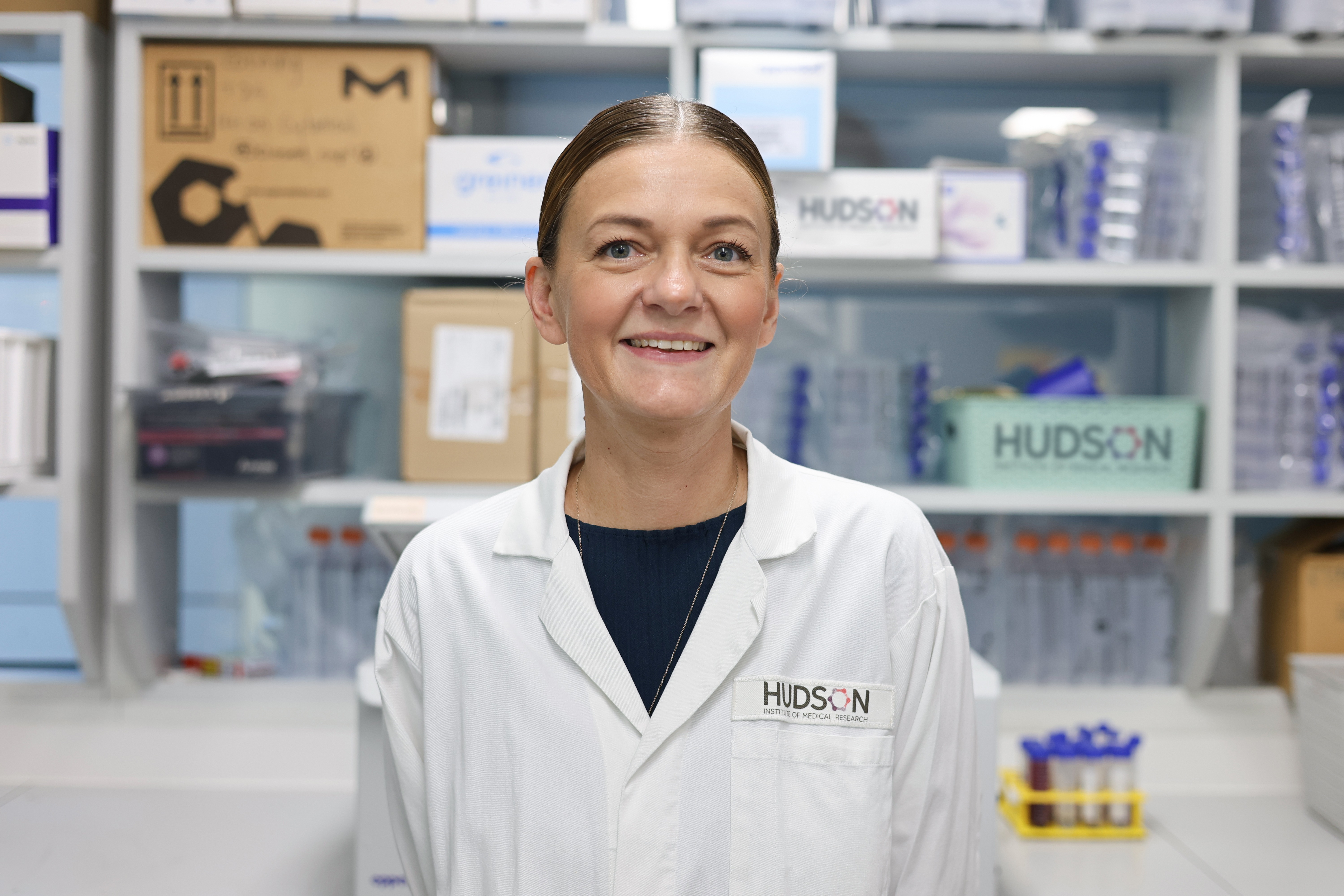
Dr Maree Bilandzic, supported by the Mother’s Day Classic Foundation in partnership with OCRF
Hudson Institute of Medical Research
“These results represent an exciting step forward in personalised cancer treatment, demonstrating the potential to train a patient’s immune system to recognise and target their own cancer. While ovarian cancer presents different biological challenges to melanoma, this approach opens some exciting possibilities for more individualised treatments. It’s encouraging to see how far this technology has come, and hopefully these advances will pave the way for new treatment options across a broader range of cancers, including ovarian cancer.”
“For context, translating these findings to ovarian cancer may be challenging. Melanoma generally has a higher mutational burden, providing more potential neoantigens for the immune system to recognise, while ovarian cancer has fewer targets and a particularly immunosuppressive tumour microenvironment."

A/Prof Fernando Guimaraes, OCRF-funded researcher
Frazer Institute, The University of Queensland.
"This is one of the most significant results we've seen yet for personalised cancer vaccines. It shows that we can train a patient's own immune system to recognise the specific mutations in their own tumour, which is something the field has been working towards for a long time. For ovarian cancer, the key question is whether the same approach can work in a tumour that has historically been harder for the immune system to recognise.
“There are good reasons to be hopeful: ovarian cancers do carry neoantigens, and the real opportunity may lie in combining personalised vaccines with treatments that help immune cells get into the tumour. This won't happen overnight, and it will need carefully designed trials, but it is genuinely one of the most promising directions in the field right now."
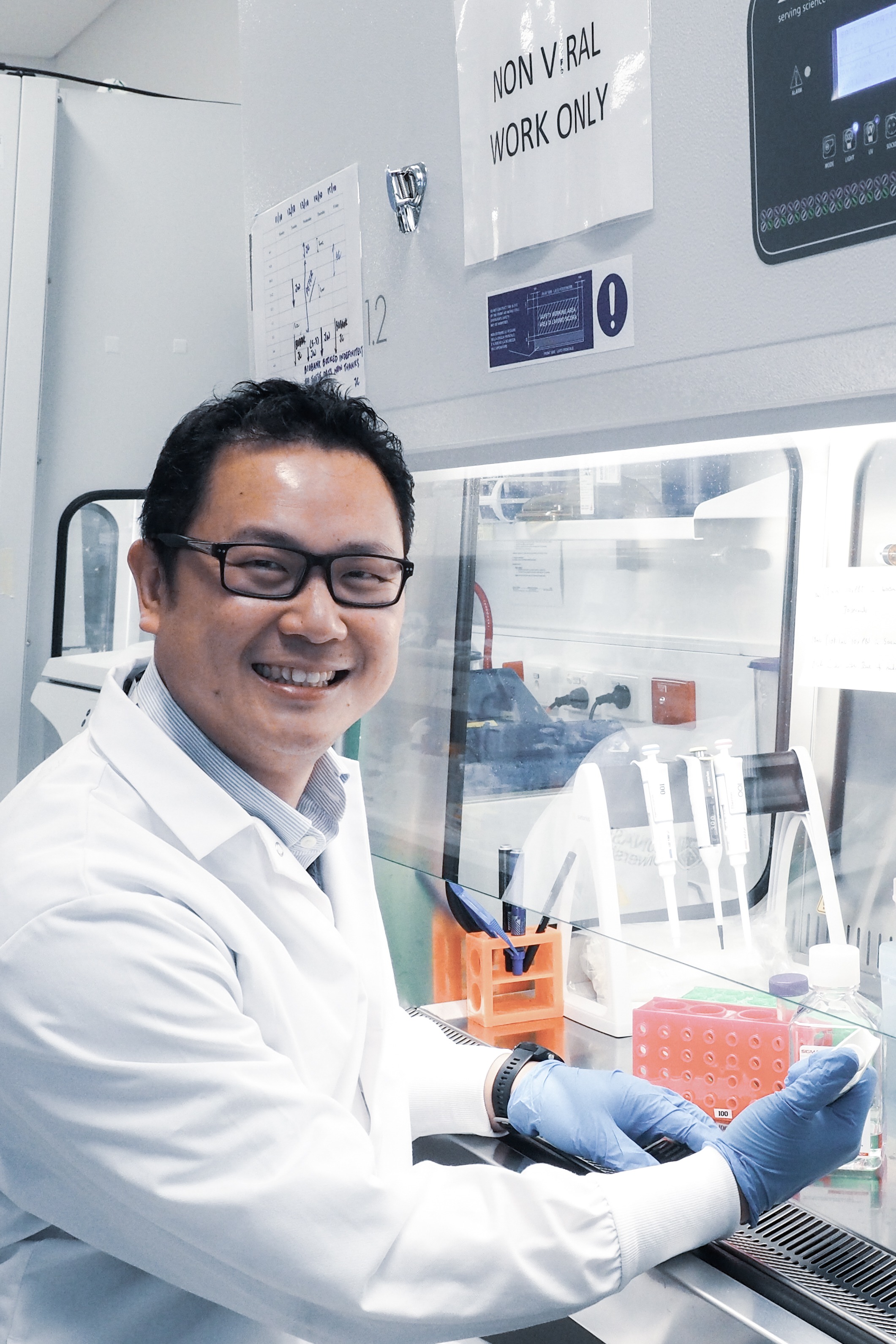
Dr Gwo Yaw Ho, OCRF-funded researcher
Monash University and Monash Health
"The advances in mRNA cancer vaccines for melanoma represent an exciting development in cancer immunotherapy and offer renewed hope for other cancers, including ovarian cancer. However, ovarian cancer is biologically very different from melanoma and presents a much more challenging immune environment, meaning we cannot assume that the same treatment will produce similar results. Nevertheless, immunotherapy offers the potential for durable, long-term cancer control, and these findings reinforce the importance of continued research investment to develop strategies that can overcome the unique barriers to effective immunotherapy in ovarian cancer."
“Our OCRF-funded research is exploring ways to make ovarian cancers more responsive to immunotherapy, potentially creating opportunities for approaches such as cancer vaccines in the future.”

Prof David Bowtell
Peter MacCallum Cancer Centre
"This study, and many others recently, underscore the momentum behind immunotherapy in cancer. Melanomas arise through sun (UV) exposure that alters the DNA (genes) of cells, producing the equivalent of software errors that drive cancer formation.
"Melanoma is a great test case because typically there are many changes to genes and the proteins they encode, which can be seen as foreign by the body - hence the novel vaccine approach of the recent study. My guess is that this approach can be developed successfully for ovarian cancer, combined with other exciting developments in immunotherapy including killer T cell targeting of tumour cells, providing real hope for a step change in outcomes. We just need to move faster!"
The bottom line
There is universal agreement that this is an exciting step toward personalised treatment. However, compared to ovarian cancer, melanoma is an "easier” target for this approach as it carries many genetic faults for the immune system to spot.
On the other hand, ovarian cancer has fewer targets and does a better job of shutting the immune system down.
There is hope though - the first small early trial of a personalised vaccine for ovarian cancer, published last week, showed the approach is safe and can trigger strong immune responses even in patients already quite unwell.
In all cases, vaccines like these won't work alone, but combined with treatments that help immune cells reach the tumour and with continued research, they could one day deliver a major shift in outcomes for women with ovarian cancer.
References
ABC News, 23 October 2026
Melanoma Institute Australia website, 23 October 2026
Sellars, M.C., Frank, J.A., Shim, B. et al. Personalized neoantigen-targeting cancer vaccines in ovarian cancer: a phase 1 trial. Nat Med (2026). https://doi.org/10.1038/s41591-026-04717-8

Get the latest news, stories & updates.
