Breakthrough in rare ovarian cancer research points to more personalised treatments
June 01, 2026
For some ovarian cancer patients, the hardest part has not just been the disease itself, but the feeling of being left behind; watching advances in treatment pass them by. Now, a hidden clue inside their rare tumours may begin to change that story.
An OCRF‑supported study led by Dr Dane Cheasley and Dr Kathleen Pishas (Peter MacCallum Cancer Centre) has uncovered a new biological driver of low‑grade serous ovarian carcinoma (LGSOC) in patients whose tumours lack identifiable DNA mutations, reported in The Journal of Pathology. This notoriously hard to treat subtype named NSMP (no specific molecular profile) accounts for approximately 40 per cent of LGSOC cases and currently lacks targeted treatment strategies.
For women affected by this rare form of LGSOC, these findings offer cautious optimism by opening the door to therapies that already exist but, until now, have not been considered for these patients. This provides a long-overdue opportunity to expand treatment options and brings renewed hope to a group of women who have historically had few effective therapeutic choices available.
Reading time: 2.5 minutes
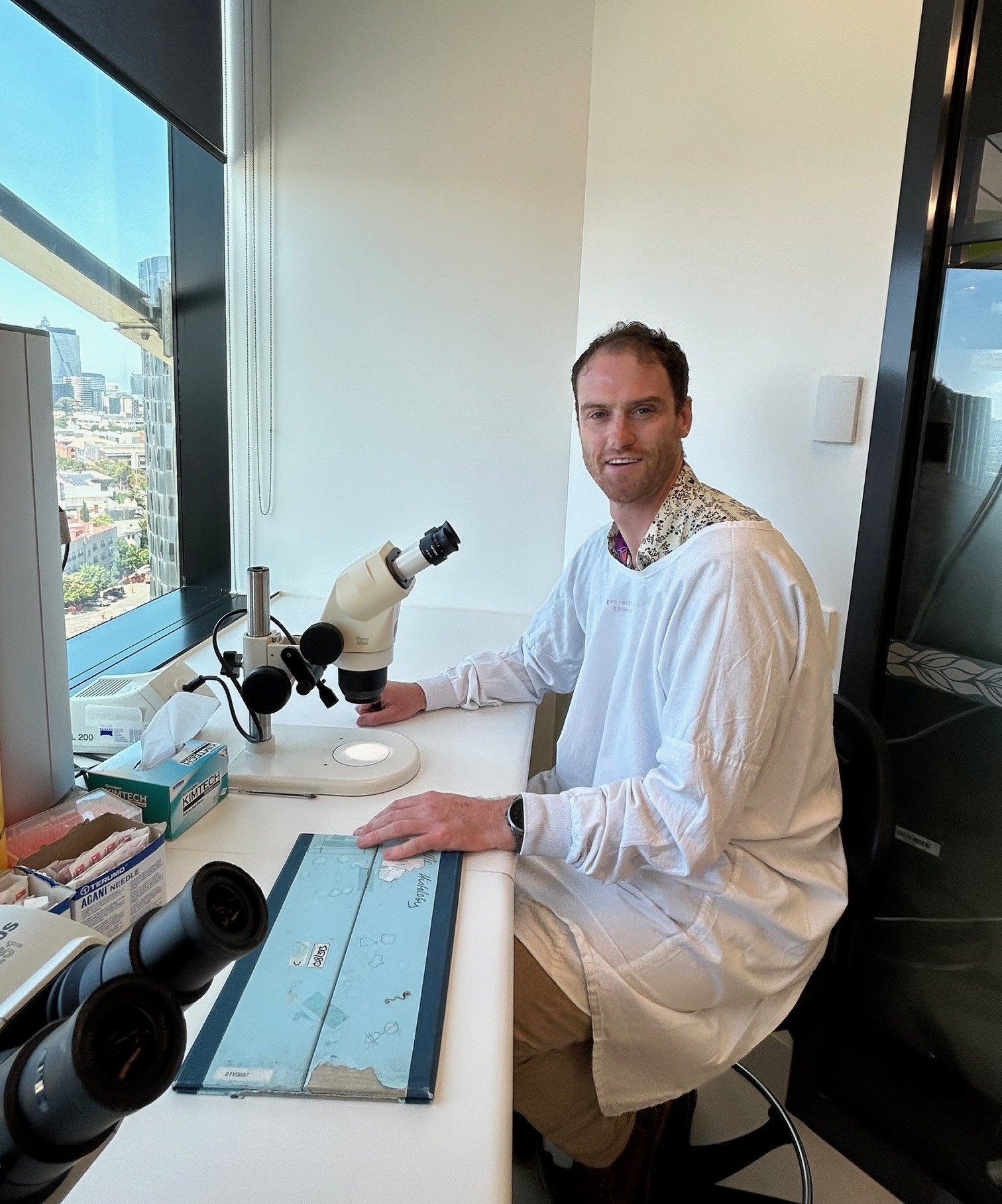
Image: Dr Dane Cheasley in the lab at the Peter MacCallum Cancer Centre
What this OCRF-funded study investigated
Previous research in LGSOC has largely focused on targeting genetic mutations. However, NSMP LGSOC lacks clear genetic changes that can be targeted with existing precision therapies. The response rates to existing relapse chemotherapy treatments for these patients are also very low - under five per cent - highlighting the urgent need for new approaches.
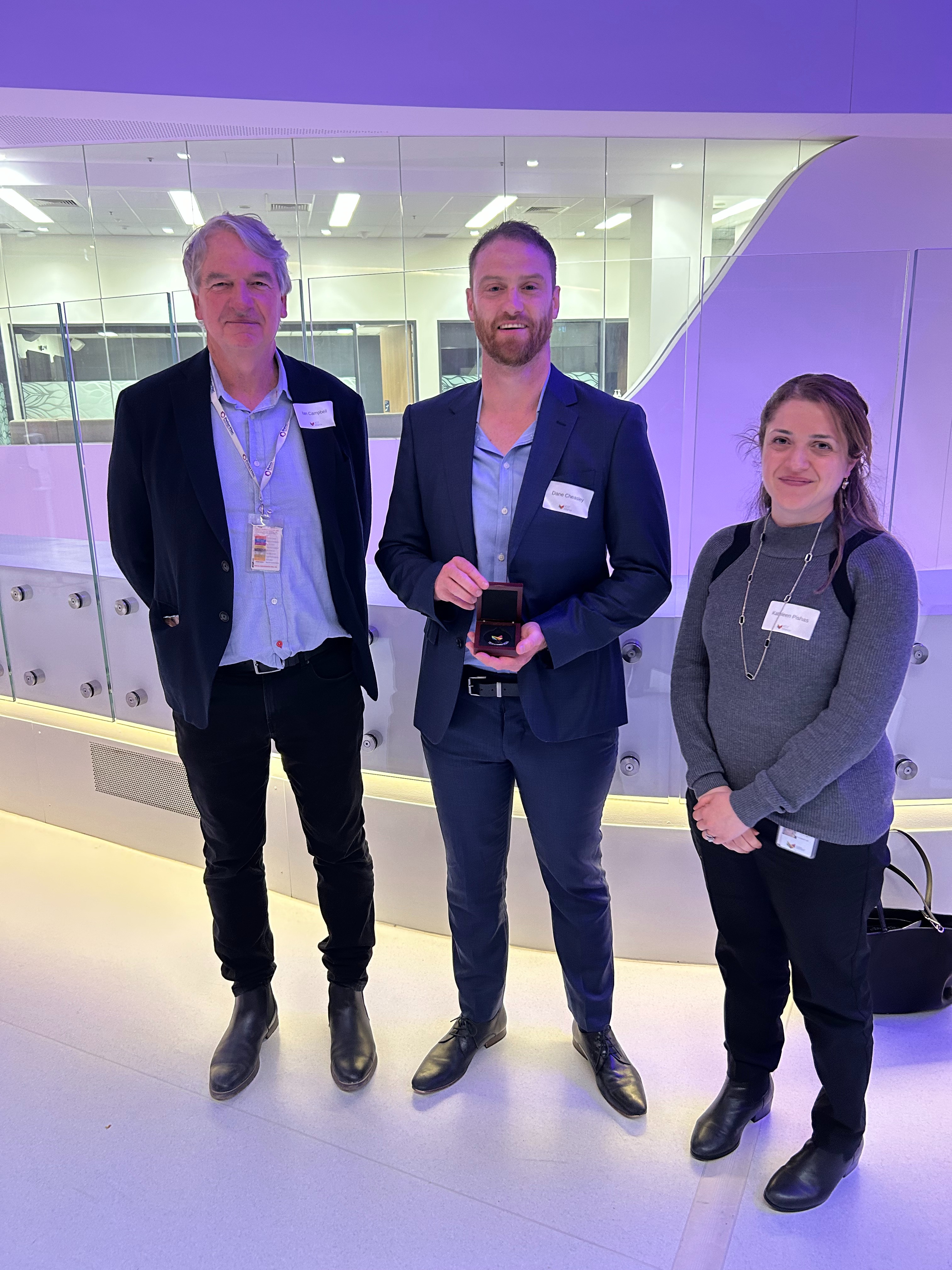
To address this, in collaboration with Prof Kaylene Simpson and the Victorian Centre for Functional Genomics at the Peter MacCallum Cancer Centre, Dr Cheasley’s team took a different approach, examining how NSMP cancer cells behave and respond to drugs. After screening more than 3,400 clinically tested compounds in laboratory models of these tumours, they identified a consistent pattern: these tumours appear to depend on a protein called EGFR (epidermal growth factor receptor) to grow and survive. EGFR is a protein on the outside of cells that works like a growth‑control antenna, picking up signals that tell the cell when to grow, divide, or repair itself. When this system goes wrong, it can drive cancer.
Higher levels of EGFR were also associated with poorer survival, suggesting it may be a marker for more aggressive disease. Importantly, drugs targeting EGFR were extremely effective in killing NSMP LGSOC cancer cells, indicating that even without clear genetic mutations, these tumours may still have exploitable vulnerabilities. Importantly, several of the identified EGFR drugs had no effect on normal ovarian cells, indicating that these agents specifically attack cancer cells.
"What makes this discovery particularly exciting is that many of the EGFR inhibitors identified in our study are already being used or tested in other cancer types.
While further clinical studies are needed, this could shorten the pathway between laboratory discovery and improved treatment options for women with this rare ovarian cancer."
Dr Dane Cheasley, Peter MacCallum Cancer Centre,
OCRF-funded research lead on the study.

Together, these findings point to a potential path forward for patients who have historically been underserved by advances in tailored cancer treatments.
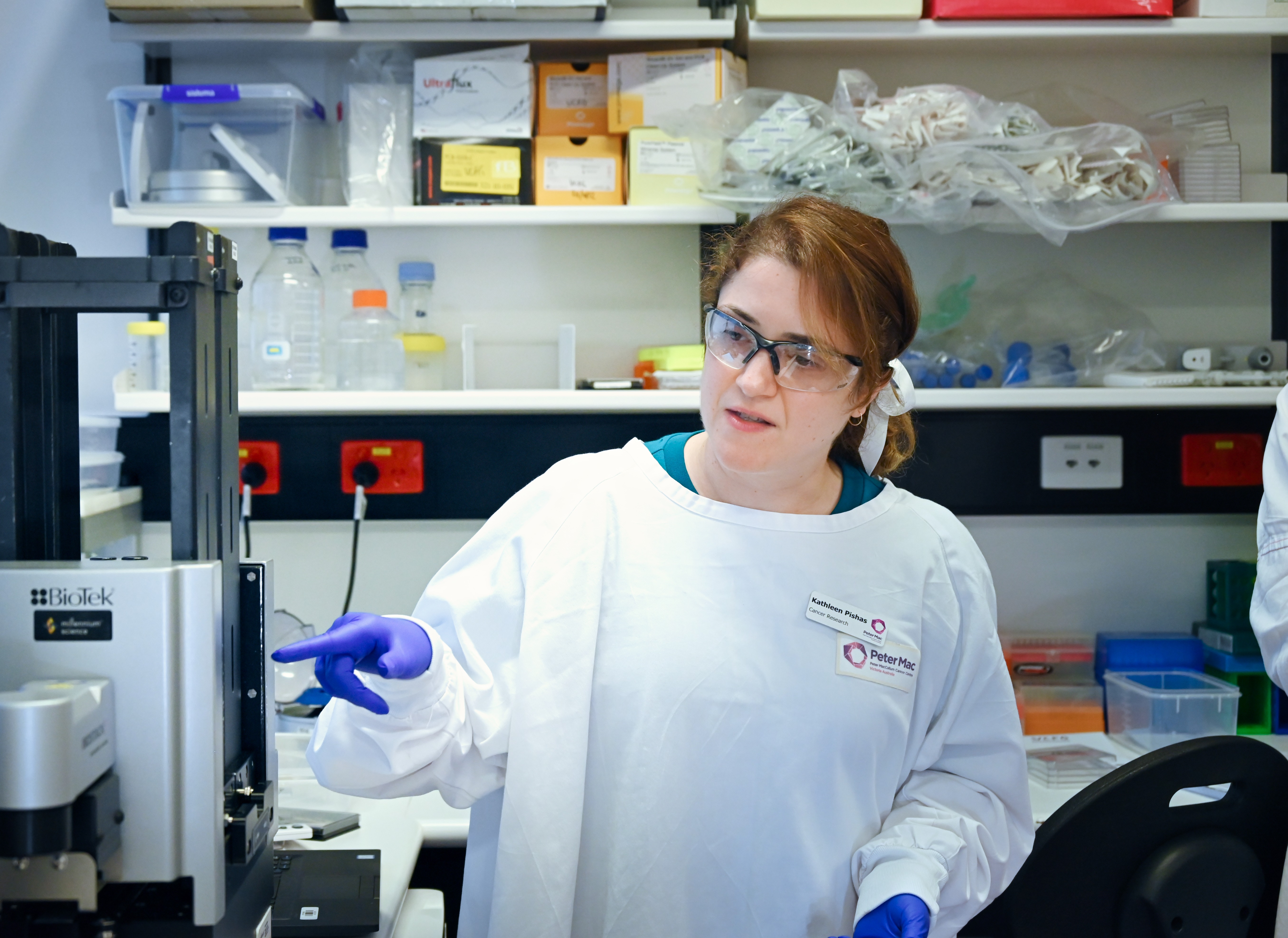
“Due to its rarity, the majority of LGSOC patients are being treated with debilitating chemotherapies introduced in the late 1980s to treat more prevalent forms of ovarian cancer, in particular high-grade serous ovarian carcinoma.
Women diagnosed with LGSOC deserve treatments that reflect their tumour biology and EGFR inhibitors may be the breakthrough that changes survival outcomes.”
Dr Kathleen Pishas, Peter MacCallum Cancer Centre,
first author on the study.
What is low-grade serous ovarian cancer?
LGSOC is a rare subtype of ovarian cancer that frequently affects younger women and tends to respond poorly to conventional treatments, including chemotherapy and some targeted therapies. Many patients experience multiple relapses over time.
More than one-third of these patients fall into an even more challenging subset - the “NSMP” (no specific molecular profile) category - where tumours do not present clear targets sites. This has made treatment particularly difficult, as clinicians have had fewer options to guide therapy decisions.
The identification of EGFR activity in these tumours provides a clearer focus for future research and may enable the repurposing of existing drugs, potentially accelerating the time needed to bring new treatment options to patients.
What does it mean for patients?
For patients and families who have spent years facing difficult outcomes, this type of breakthrough signals that their experiences are seen and there is ongoing effort to find more compassionate ways forward.
These findings are a powerful reminder of the importance of continued investment in discovery research, particularly for rare cancers where treatment options have historically been limited.
What comes next?
Further pre-clinical studies will be essential to determine whether EGFR-targeting therapies are safe and effective for patients with this subtype of ovarian cancer.
By identifying a clear “bullseye” in tumours that previously lacked defined targets, this research brings the field closer to ensuring all patients can benefit from advances in targeted cancer therapy.
- The Journal of Pathology article: Identifying therapeutic targets in low-grade serous ovarian carcinomas with no specific molecular profile
- Researcher profile: Dr Dane Cheasley
- OCRF-funded research: Validation of new treatments for low-grade serous ovarian cancer

Get the latest news, stories & updates.
