The CA125 blood test and ovarian cancer: what you need to know
June 17, 2026
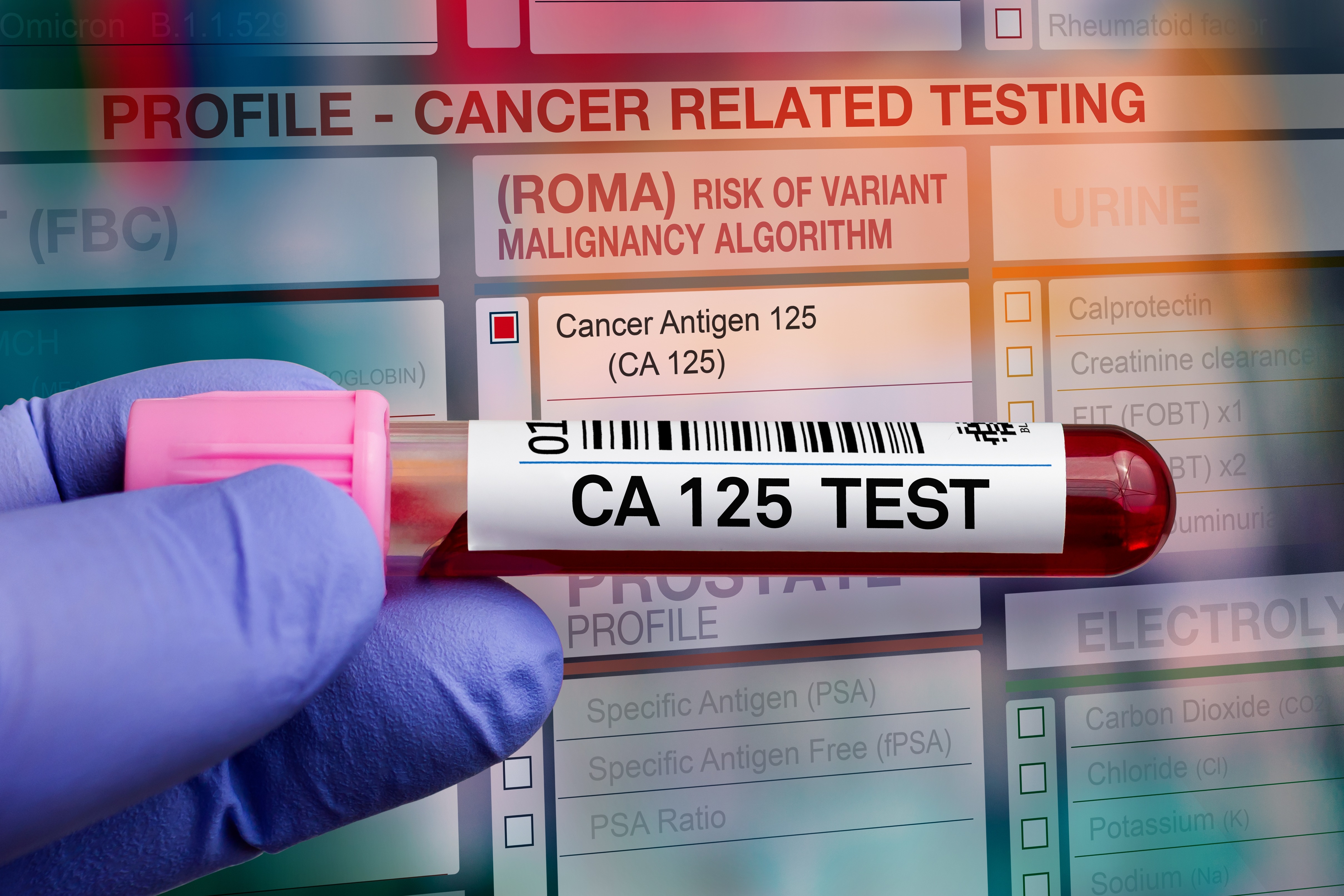
Cancer antigen 125 (CA125) is a protein that can be measured with a simple blood test, and it is often talked about in relation to ovarian cancer. But on its own, CA125 is not a reliable way to find ovarian cancer early or to rule it out.
What is CA125?
CA125 is a protein released by cells lining the abdomen, chest and some pelvic organs, including the ovaries. While many women with ovarian cancer have raised CA125 levels, there are many other reasons this marker can go up or stay normal.
Why a high CA125 doesn’t always mean cancer
An elevated CA125 level does not automatically mean a woman has ovarian cancer. CA125 can be higher than normal due to common, non cancer-related reasons such as:
- Menstruation
- Pregnancy
- Endometriosis, fibroids or cysts
- Pelvic inflammatory disease
- Liver, kidney, lung or heart disease
- General inflammation or infection
- Other cancers (such as some uterine or gastrointestinal cancers)
Because so many benign conditions can raise CA125, using this test alone can lead to false alarms, extra scans and sometimes unnecessary surgery.

Why a normal CA125 doesn’t rule out ovarian cancer
Not all ovarian cancers produce CA125. Around half of women with early-stage epithelial ovarian cancer can have a CA125 level in the normal range (under 35 U/mL). Some types of ovarian cancer, such as mucinous and non-epithelial tumours (like ovarian germ cell and sex-cord stromal tumours), are less likely to cause a rise in this marker. Additionally, the CA125 test was based mainly on samples from Caucasian individuals, and studies have shown that some ethnic groups are less likely to have elevated CA125 levels.
This means a normal CA125 result does not guarantee that a woman is free from ovarian cancer, especially in the early stages of the disease.
Why CA125 isn’t used as a general screening test
Ovarian cancer is relatively uncommon in the general population, and CA125 is not specific or sensitive enough to be used as a screening test for women who do not have symptoms. If CA125 was used widely as a “checkup” test, many women would receive abnormal results even though they do not have cancer, leading to anxiety, invasive follow-up tests, and additional strain on the healthcare system.
Women who receive a non-cancer result after a CA125 test may experience psychological effects — some feel overly reassured and delay seeking help for future symptoms, while others feel under-supported or worry their concerns won’t be taken seriously.
For this reason, major health organisations do not recommend using CA125 as a routine diagnostic test on its own, or as a screening test for women at average risk.
How CA125 is used today
Doctors may use CA125 alongside other tools to build a clearer picture of what is going on. This can include:
- Assessing symptoms (such as persistent bloating, abdominal pain, feeling full quickly, or changes in bladder or bowel habits)
- Interpreting CA125 together with transvaginal (internal) ultrasound findings and risk assessment models
- Monitoring treatment response and checking for recurrence in women who have a confirmed ovarian cancer and whose CA125 was raised at diagnosis, mostly in post-menopausal women
If you experience ongoing symptoms, you can ask your GP about whether an ultrasound or CA125 blood test is appropriate for you.
CA125 is one part of the puzzle, not a standalone answer.
Why we still need a true early detection test
Ovarian cancers found at stage 1, have a five year survival rate of 90%, compared to less than 30% for those diagnosed at stage 3 or 4.
CA125 has a role to play but it cannot reliably detect all ovarian cancers early, and because it can be associated with non-cancerous conditions, testing can lead to unnecessary interventions, and worry.
There is currently no simple, accurate test to find this disease in women who feel well and have no symptoms. This is why investment in research is so critical: to develop a safe, accurate early detection test that can pick up ovarian cancer when it is most treatable.
- Charkhchi P, Cybulski C, Gronwald J, Wong FO, Narod SA, Akbari MR. CA125 and Ovarian Cancer: A Comprehensive Review. Cancers (Basel). 2020 Dec 11;12(12):3730. doi: 10.3390/cancers12123730.
- Gandhi T, Zubair M, Bhatt H. Cancer Antigen 125. 2024 May 2. In: StatPearls [Internet]. Treasure Island (FL): StatPearls Publishing. PMID: 32965916.
- Howe T, Sokolovsky N, Sayasneh A, Omar K, Tahmasebi F. Raised CA125 – what we actually know…The Obstetrician & Gynaecologist2021; 23:21–27. https://doi.org/10.1111/tog.12704.
- Nazneen T, Begum SA, Mahmud T, Khatoon F, Islam F, Amatullah M. Preoperative Analysis of CA-I25 and its Relation with Histopathological Study in Ovarian Tumours. Mymensingh Med J. 2021 Apr;30(2):402-409.
- Smith AJB, Gleason E, Kadiyala S, Wang X, Howell EA, McCarthy AM. Cancer Antigen 125 Levels at Time of Ovarian Cancer Diagnosis by Race and Ethnicity. JAMA Netw Open. 2025 Mar 3;8(3):e251292. doi: 10.1001/jamanetworkopen.2025.1292.
LEARN MORE ABOUT HOW MEDICAL RESEARCH REALLY WORKS
Explore our All Over It articles to cut through the noise and learn how real medical research works — from early discovery to clinical trials. Understand what’s proven, what’s not, and why evidence matters.
Sign up to our newsletter to learn more about OCRF-funded research, and other opportunities to learn in 2026 including webinars.
Donations to support ovarian cancer research are always needed and welcome – find out how you can support the OCRF.

Get the latest news, stories & updates.
