Critical ovarian cancer research resource expanded
August 05, 2026
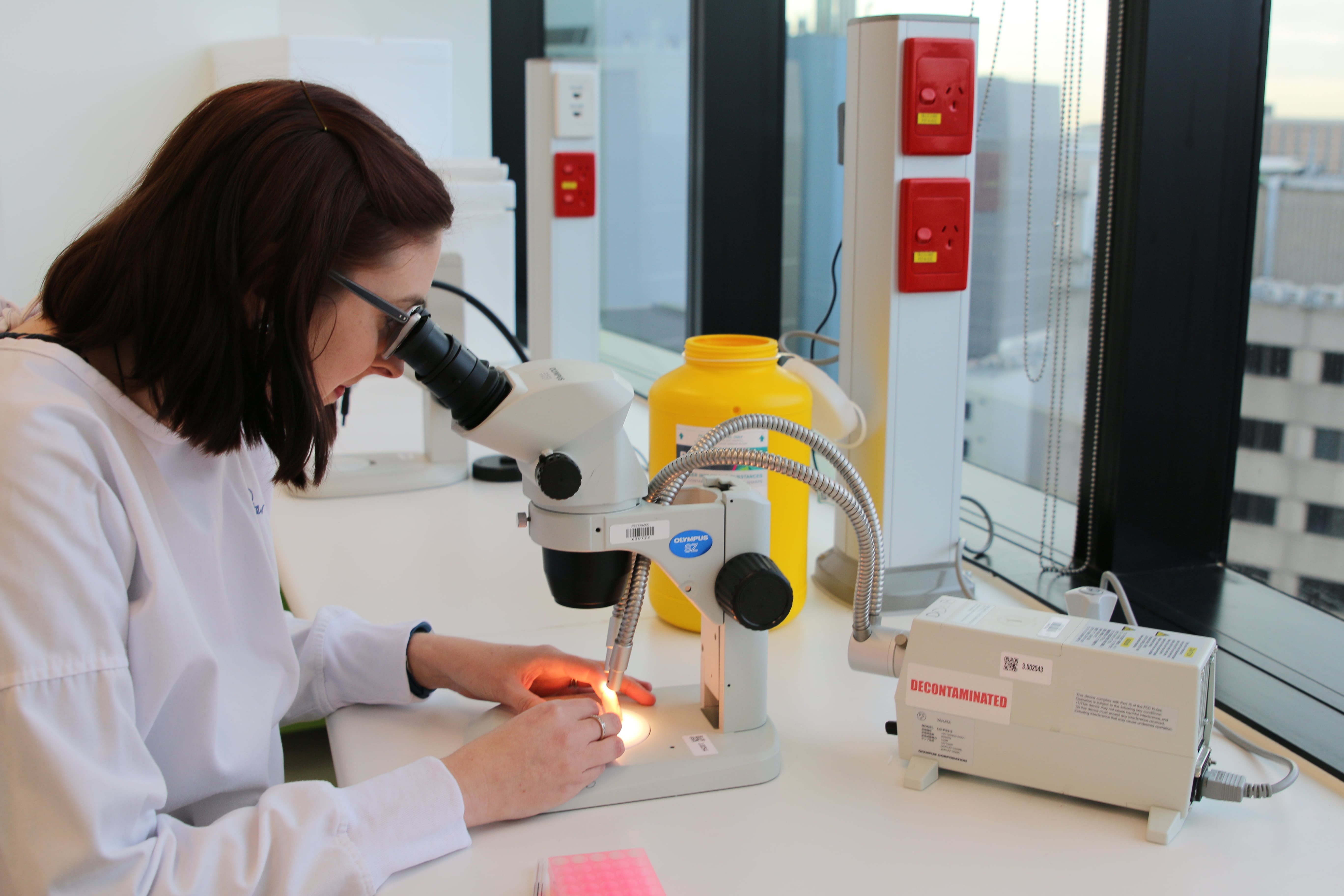
A transformative Australian initiative that collects and disseminates ovarian cancer research information globally will be expanded, following a major Medical Research Future Fund grant of almost $3 million to OCRF-funded researcher Dr Liz Christie.
(Pictured above: Dr Liz Christie in the lab)
The National Critical Research Infrastructure grant awarded to Dr Christie at the Peter MacCallum Cancer Centre will leverage the existing infrastructure of the Australian Ovarian Cancer Study (AOCS), enabling the collection of additional biospecimens and matched clinical data from patients with ovarian and endometrial cancer.
“Ovarian and endometrial cancers still have poor outcomes for many patients, and treatment resistance remains a major challenge,” Dr Christie said.
By expanding the information collected and stored on this platform, we can understand why current and new treatments stop working and identify new strategies to overcome resistance.”
Dr Liz Christie
Dr Christie’s funded project will also expand the Australian BioPortal platform which houses data from multiple research studies, in this major new cancer data integration project.
Critical research resources such as the Australian Ovarian Cancer Study were identified as a key enabler in the OCRF’s national research consultation in 2024, so we were pleased to provide a letter of support for Dr Christie’s application.
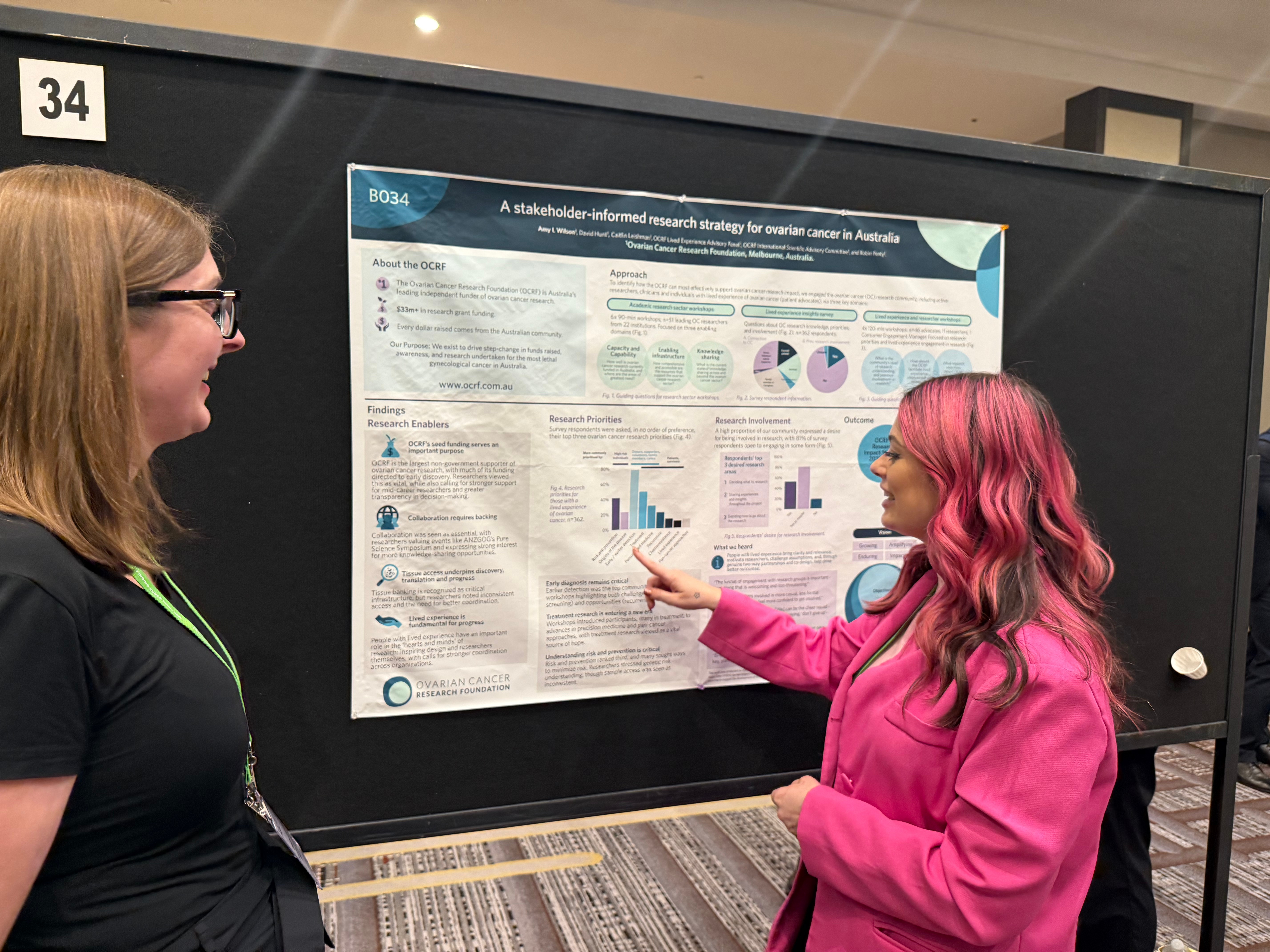
(Pictured above: Dr Liz Christie with the OCRF's Dr Amy Wilson)
What is the Australian Ovarian Cancer Study?
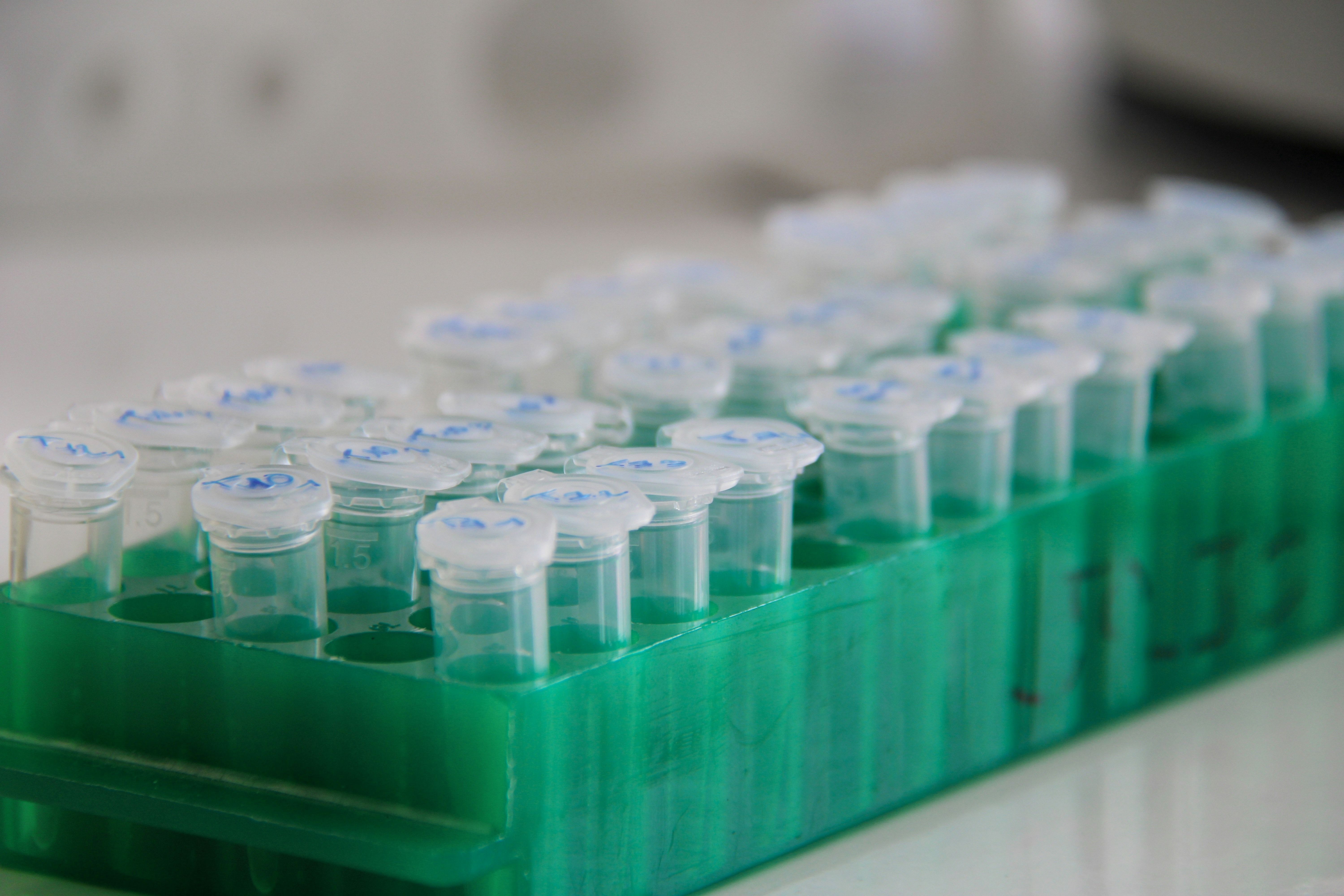
The Australian Ovarian Cancer Study (AOCS) is a biobank that enrols people, follows them up and collects ongoing biological and clinical data.
“AOCS is one of the largest and most important resources of its kind, disseminating samples and data across Australia and the world,” said David Hunt, OCRF Executive Director, Research and Policy.
David said that despite the demand for AOCS, funding constraints meant the study had been largely unable to collect new samples, and this was a problem for researchers, particularly given recent changes in treatment for people with ovarian cancer. “This new funding will change that,” David said.
How could this benefit patients and families?
The funding means the AOCS can provide crucial support for researchers and equipment required to start prospective sample collection and linkages with a clinical database.
It is a vital resource for researchers investigating new ovarian cancer treatments and detection methods.
“With this infrastructure in place, researchers will be better equipped to identify new drug targets, refine treatment strategies and move towards more personalised cancer care for people with ovarian cancer,” Dr Christie said.
Dr Christie was funded in 2026 through the OCRF National Research Grants Program to investigate a new way to treat high-grade serous ovarian cancer.

Get the latest news, stories & updates.
