Associate Professor Liz Caldon
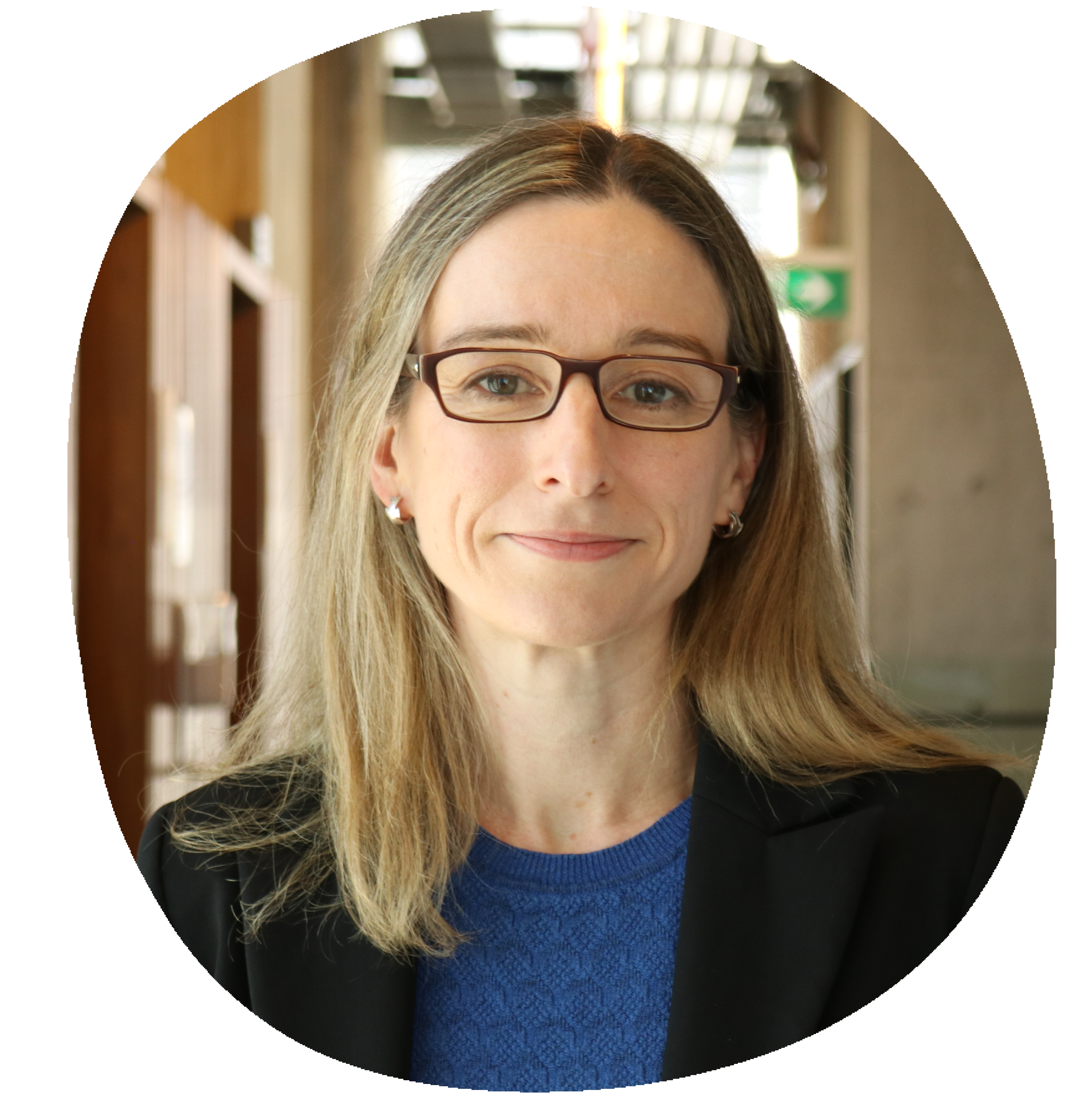
Research Institution: Garvan Institute of Medical Research
OCRF priorities the researcher addresses: Treatment
Their OCRF-funded research projects: Targeting drug resistance to improve outcomes in ovarian cancer
My PhD studies investigated the function of drugs that have now gone on to large-scale clinical practice. It’s amazing to see how basic biology and understanding the building blocks as a researcher can eventually lead to impact for people. I find that really inspiring.”
About Associate Professor Caldon’s research
Associate Professor Caldon’s research initially specialised in breast cancer, including studies on the similarities between its characteristics and ovarian cancer. This has involved studying the spread of breast cancer to gynaecological regions, where she investigated how the metastasised cancer was different to ovarian cancer. Her team have also conducted focused studies on the BRCA1 genetic variant, which can be present in both ovarian cancer and breast cancer. This work prompted her to focus her attention to ovarian cancer research.
Recognising the high need for more effective treatment options in ovarian cancer, her team are now investigating a type of treatment used in both ovarian and breast cancer called PARP inhibitors. They aim to better understand why in some high-grade serous ovarian cancer cases the treatment stops working.
Background
Associate Professor Caldon’s undergraduate degree focused on bacterial microbiology, which prompted an interest in how cell pathways work. She then completed a masters in biophysics at the University of Toronto, Canada, looking at yeast and insect cells to better understand some of the basic mechanisms of how cancer cells function. Following this, she completed her PhD at the University of New South Wales in cancer biology.
She is now a Lab Head at the Garvan Institute of Medical Research. Her team are experts in developing models to better understand how cancer evolves and what factors lead to it developing resistance to treatments. By working out why treatments stop working and how the cancer has outsmarted a treatment that was initially working, they uncover new approaches to more effective treatments.
Collaborative impact
Associate Professor Caldon’s project, and her ovarian cancer studies more broadly, have relied on researchers banding their skills and expertise together. Associate Professor Caldon has worked with Professor Caroline Ford and Dr Dongli Liu at the University of New South Wales, who were also previously funded by the OCRF. They provide expertise in the sophisticated organoid lab models that Associate Professor Caldon aims to use for her ovarian cancer research program.
Although they had not previously focused on ovarian cancer, two experts of advanced research technologies will enable Associate Professor Caldon’s ovarian cancer discovery projects. Professor Greg Neely from the University of Sydney is an expert in CRISPR screening who will guide Associate Professor Caldon’s team to better understand the genetics and drivers of ovarian cancer, while Professor Paul Timpson, who conducts live imaging of cells, has developed a biosensor that allows them to monitor DNA damage, and will work with Caldon’s team to apply this to ovarian cancer.
Research community is really important to successful work, so having an investment from OCRF that enables a wider research community to come together with their diverse expertise is critical to developing new skills and ideas. I’ve been able to bring collaborators into this area who haven’t been working in ovarian cancer before, allowing more researchers to focus on ovarian cancer.”
For every project like this, many more can’t get underway due to a lack of funding. Support research like this to help them move forward.
Share page

Get the latest news, stories & updates.
