Professor Caroline Ford
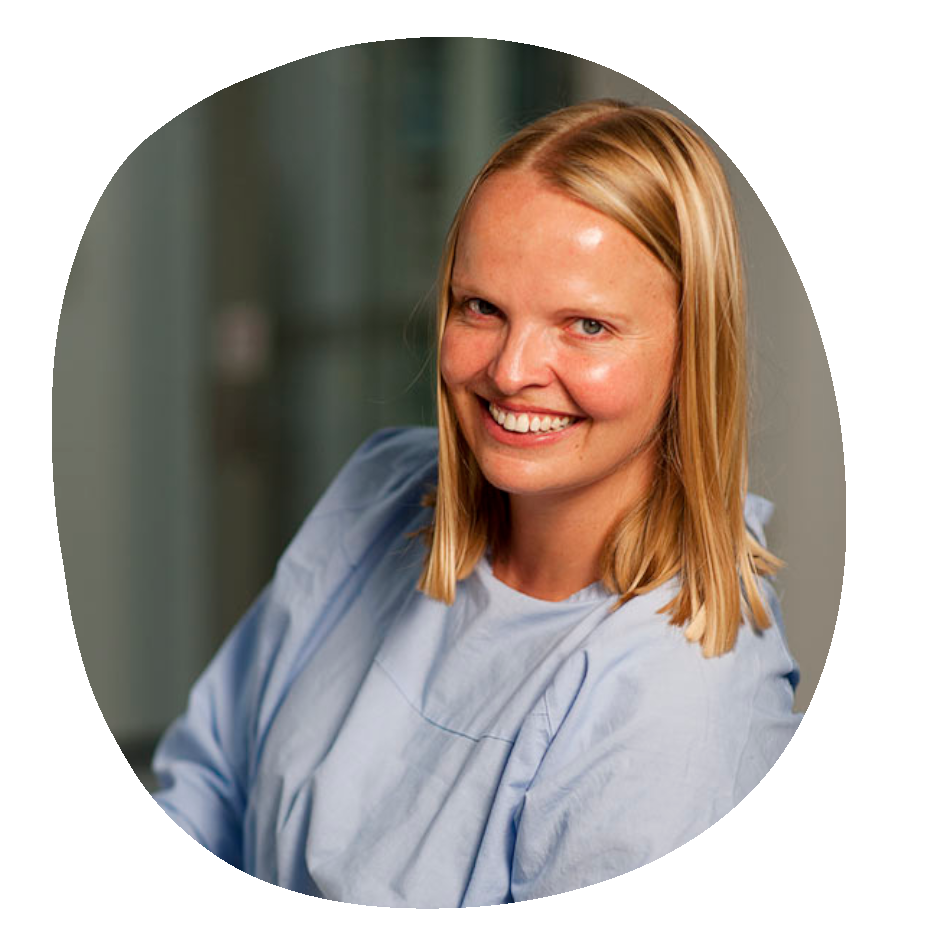
Research Institution: The University of New South Wales
OCRF priorities the researcher addresses: Treatment
Their OCRF-funded research projects: Investigating ROR1, a novel receptor molecule, as a basis for a targeted high-grade serous ovarian cancer treatment
I always aimed to use my work well, to align it with some sense of social justice and that’s what keeps us [the lab] motivated — meaningful work and urgent work for women's health.”
About Professor Ford’s research
Professor Caroline Ford and her team are investigating new approaches to both treatment and early detection of ovarian cancer. Until December 2025, Professor Ford lead the Gynaecological Cancer Research Group at the University of New South Wales (UNSW). The lab investigated a targeted treatment for high-grade serous ovarian cancer that focuses on a receptor called ROR1 that sits on the surface of cancer cells. Additionally, alongside Dr Kristina Warton, the lab undertook early detection research focused on methylation (or marks on DNA that regulate how genes are switched on and off), to identify patterns that could help detect ovarian cancers at the earliest stages in blood samples. OCRF funding provided crucial support to Professor Ford’s lab between 2013 and 2020. Professor Ford is now the Strategic Director of the Ainsworth Endometriosis Research Institute, however her former team's research into ovarian cancer early detection continues under the leadership of Dr Kristina Warton.
Background
Professor Ford was initially intrigued by contagious diseases — she grew up captivated by movies like ‘Outbreak’, which featured an inspiring female scientist played by Rene Russo. Professor Ford went on to complete her honours in cancer research and virology and found she enjoyed the dynamic hospital space where samples were being tested at pace and there was the potential of making an immediate difference to a patient.
As cancer research became a key interest, Professor Ford built upon her knowledge through two postdoctoral projects at the University of Toronto in Canada and Lund University in Sweden. During her postdoctoral studies her research focused on lung and breast cancers. A government-funded National Health and Medical Research Council fellowship tempted her back to Australia in 2009 and she established her lab at the UNSW’s Lowy Cancer Research Centre in Sydney in 2010. She was able to choose the focus of her lab: gynaecological cancers.
As a feminist, Professor Ford was already aware of the disparities in resources and research focus on gynaecological cancers, such as ovarian cancer. A clinician outlined the specific knowledge gaps in ovarian cancer and, with an early career grant from Cure Cancer Australia, she launched her first ovarian cancer research project, investigating the Wnt signalling pathway that is key for cancer function.
Career highlights
Two factors have been essential to building the lab’s successes:
Connecting to the clinic: While establishing the lab, Professor Ford asked to attend clinical meetings at the Royal Hospital for Women in NSW, led by Professor Neville Hacker. Attendees all had different expertise, and the meetings brought them together to focus on an individual’s treatment. These multidisciplinary meetings didn’t always include researchers, but Professor Ford insisted it was essential for identifying the most impactful areas for new research. She listened and learnt about the challenges faced by clinicians and their patients, identifying patterns. As a scientist of precision medicine and genomics, who had seen this type of research improve outcomes in other cancers, her eyes were opened to the urgent need for better options for ovarian cancers, and the need for her lab to focus on work that would translate to the clinic quickly.
Connecting to the community: By working with members of the ovarian cancer community in her research, she’s developed decade-long relationships that have been transformative for ensuring the relevance of her research to those it impacts most, with an emphasis on quality of life and care.
Professor Ford’s and her team’s objectives continue to be centred on translating research to the clinic, with continuous insights from the ovarian cancer community driving the work.
Collaborative impact
Professor Ford has prioritised international and local collaborations to ensure she is working with the best of the best to expedite solutions for the community. During her OCRF-funded research the team developed a partnership with a research group at The University of Chicago, who helped develop a new type of lab model that would help Professor Ford later establish the relevance of ROR1 as an ovarian cancer treatment target. To test this treatment in clinically relevant models, her team worked with researchers from The Walter Hall and Eliza Institute of Medical Research in Melbourne, to create diverse laboratory models for thorough testing, which yielded promising published results.
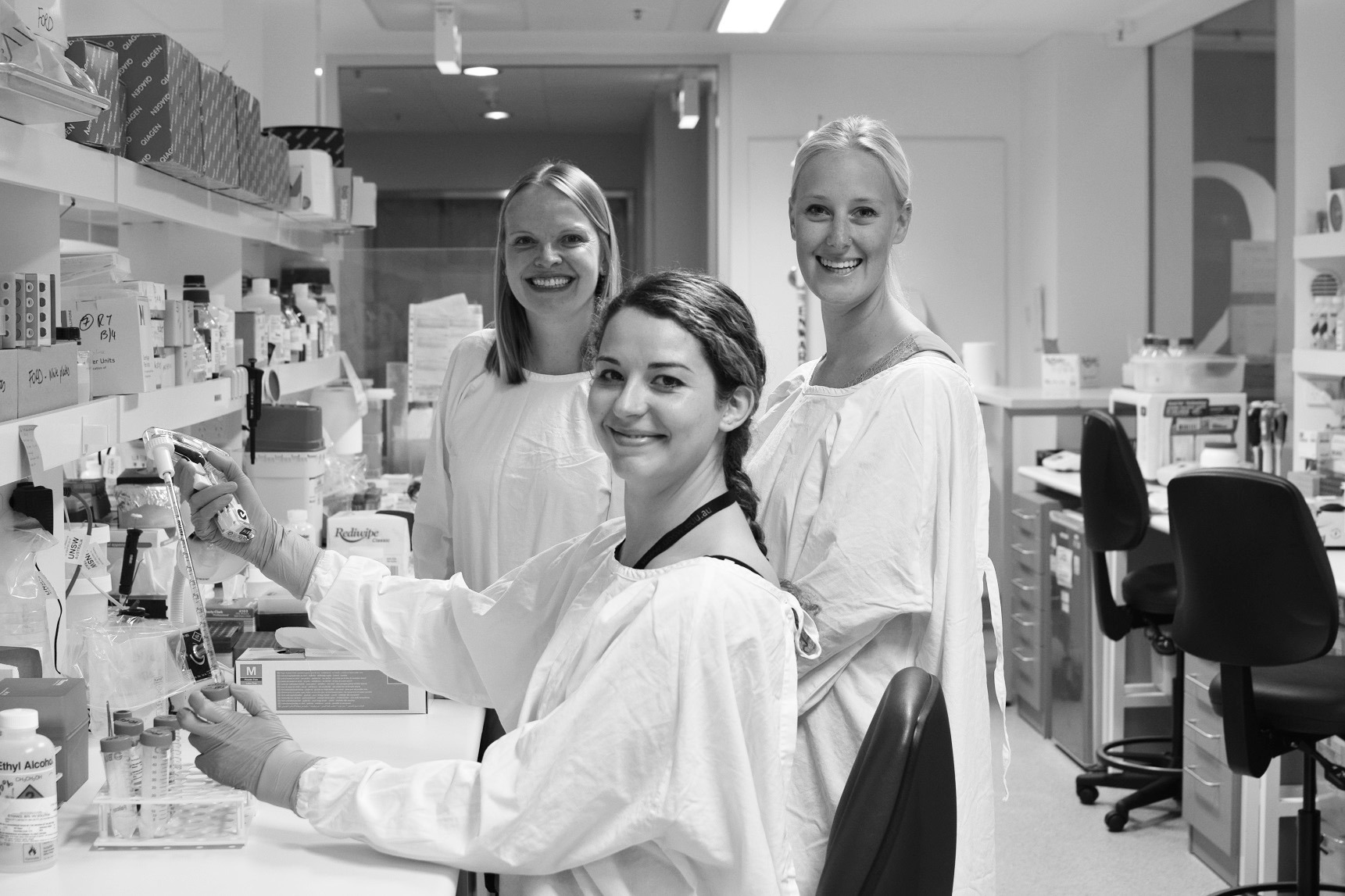
For every project like this, many more can’t get underway due to a lack of funding. Support research like this to help them move forward.
Share page

Get the latest news, stories & updates.
