Dr Emma Bolderson
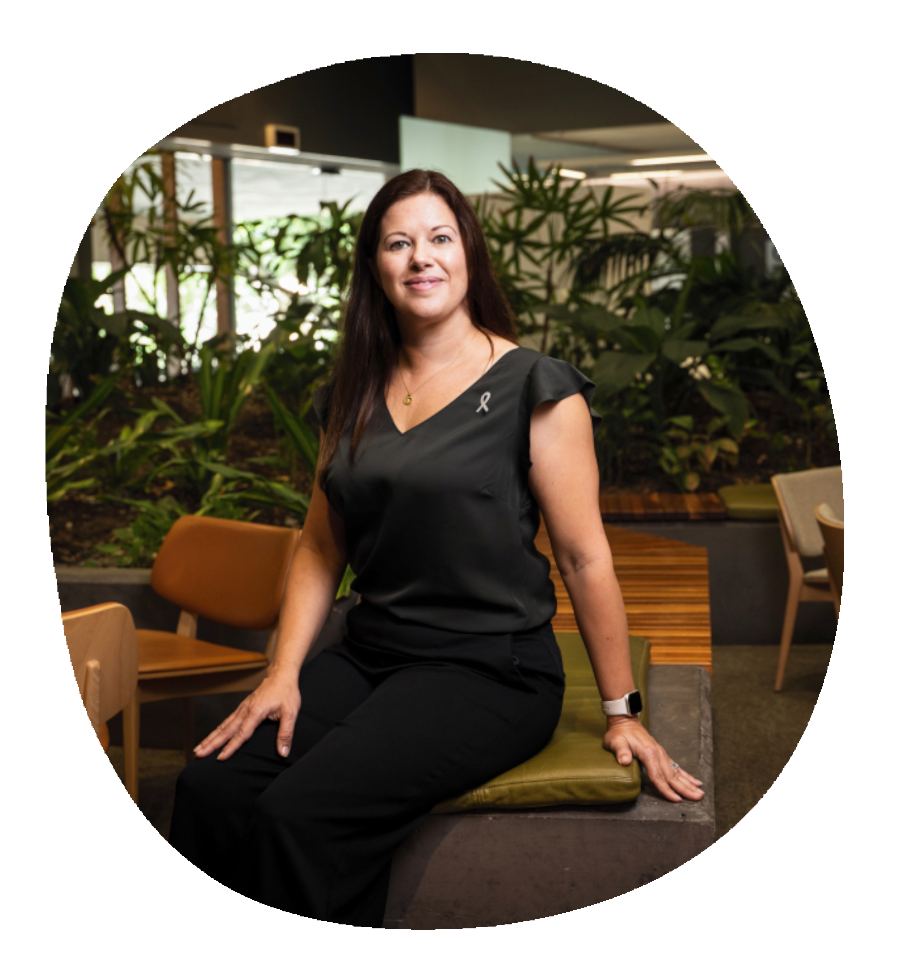
Research Institution: Queensland University of Technology (QUT)
OCRF priorities the researcher addresses: Treatment, Managing Recurrence
Their OCRF-funded research projects: A new treatment approach for a rare subtype of ovarian cancer: ovarian cancer clear-cell carcinoma
Ovarian cancer is a devastating disease, and I think a lot more can be done. We realised there aren’t many treatments for the clear cell subtype and so we want to find ways to improve treatment options. Making a difference to patients is a huge motivator.”
About Dr Bolderson’s research
Dr Bolderson is Group Leader and Deputy Director of the Cancer Genomics Program at QUT where she specialises in DNA repair processes of cancer cells — knowledge she hopes will help her develop an effective treatment for the rare clear cell ovarian cancer subtype, specifically one that will help resensitise this resistant form of ovarian cancer to available treatments like PARP inhibitors.
Background
With a data-driven mindset, Dr Bolderson has been led by the evidence to progress through her career, considering at each turning point where the data might be most useful, and what it could lead to.
Dr Bolderson completed her PhD in cancer cell biology at the University of Sheffield, United Kingdom, in 2005. She studied genetics and the way DNA defects can lead to colorectal cancer. She learnt from leading experts such as her PhD supervisor, Professor Mark Meuth, and alongside Professor Thomas Helleday and his team, who identified how PARP inhibitor treatments work and why they are effective for some cancers. As a postdoctoral researcher she moved to Australia to join the lab of previously OCRF-funded researcher Professor Kum Kum Khanna. Dr Bolderson now leads her own lab at QUT focusing on providing improved treatments for ovarian cancer.
Career highlights
Building knowledge on how to take promising science into the clinic is a motivator for Dr Bolderson. She co-founded Carpe Vitae - a start-up biotech developing new pharmaceuticals. The experience has given her translational knowledge that could help expediting the benefits of her research to patients.
Mentoring students is both something Dr Bolderson enjoys and sees as important to expanding expertise in this field and ensuring all the knowledge she’s learnt from others, and built upon, is passed on.
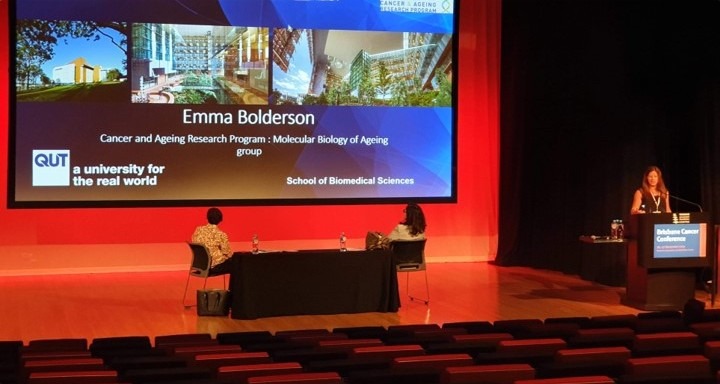
Collaborative impact
In the lead up to OCRF funding, Dr Bolderson’s team has collaborated closely with researchers from Ireland who are providing tissue samples essential for their research. International collaboration is particularly important when researching rare ovarian cancers like clear cell, considering the scarcity of samples. Collaborators include Dr Sharon O’Toole, who is the co-chair of Trinity St James’s Biobank Network and the National Biobank Working Group, including the Discovery Bioresource that holds over 1700 gynaecological cancer samples with recruitment ongoing from approximately 100 ovarian cancer patients per year.
For every project like this, many more can’t get underway due to a lack of funding. Support research like this to help them move forward.
Share page

Get the latest news, stories & updates.
