Professor Derek Richard
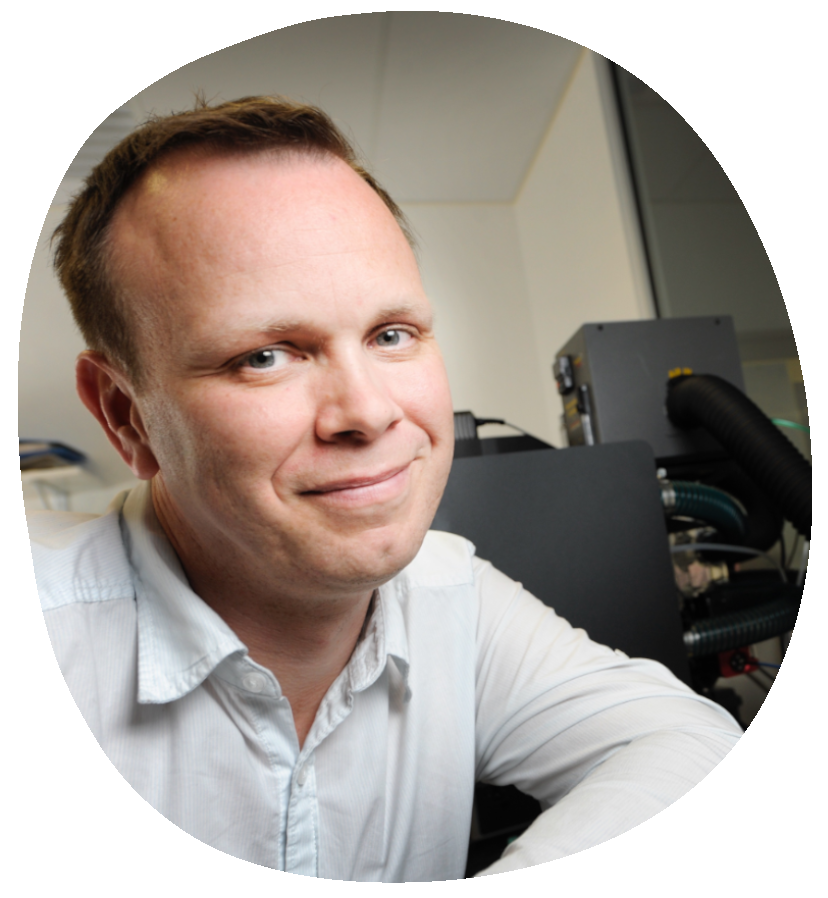
Research Institution: Queensland University of Technology
OCRF priorities the researcher addresses: Treatment
Their OCRF-funded research projects: Investigating a new way to treat ovarian cancer by targeting DNA damage response
Our ultimate goal in the lab is to make a difference to patients in the clinic. I’ve come from working on a form of life in volcanoes to applying those learnings to try to help people with ovarian cancer. We hope we can eventually have a global impact through a new treatment.”
About Professor Richard’s research
Professor Derek Richard specialises in biochemistry, cell biology, microbiology and oncology. He is also Scientific Director of the Cancer and Aging program at Queensland University of Technology. With OCRF funding, his team are focusing on the role of a protein called hSSB1 in high-grade serous ovarian cancer and investigating treatments that could stop it helping cancer cells repair their DNA.
Background
At high school in Dundee, Scotland, Professor Richard was the only person to study biology at a higher grade. Therefore, he was the sole focus for his science teacher who even arranged for Professor Richard to spend a day at the Scottish Crop Research Institute.
I spent a day with researchers there and absolutely fell in love with science. I’d always been interested in nature, but that day made me decide I wanted to be a scientist.”
Passing this baton on to spread the word to budding scientists, every year Professor Richard delivers lectures in central Queensland to over 1,000 high-school students to encourage their enthusiasm. He also offers work experience in his lab to approximately 30 students each year.
After completing his PhD in Dundee, Professor Richard started his career as a microbiologist at the University of St Andrews, studying a form of life called archaea.
There’s three types of life on earth, the humans, plants and fungi (known as eukaryotes), the bacteria, and another domain of life called the archaea – which don’t cause any known disease but are quite related in some ways to human DNA.”
His studies of archaea, which can survive in volcanic pools, led to his team’s discovery of SSB, a protein that is also within human DNA. This prompted a career pivot into working in human cell biology. Professor Richard then moved to Queensland to pursue medical research, and published a Nature paper describing SSB in humans.
Additionally, his team at QUT is investigating a molecule to slow parts of the aging process that can contribute to cancer through their biotech company, Carpe Vitae.
Career highlights
- Arriving in Australia Professor Richard realised there was a lack of funding and resources for researchers so, with oncologist Professor Ken O’Byrne, he formed the Cancer and Aging Research Program and together sought $8.5M to fund lab equipment, including advanced technologies that have enabled the lab’s progress.
- Since 2014, the Cancer and Aging Research Program that Professor Richard leads along with oncologist Professor Kenneth O’Byrne, has been structured differently to most labs. It is more like a pharmaceutical company with post-doctoral scientists who are Team Leaders working alongside discovery biologists and experts in conducting preclinical studies. They have a separate chemistry team and a clinical team of doctors and oncologists — marrying the scientific perspectives across the research pipeline into one lab. This structure, and the experience it gives team members, has enabled eleven post-doctoral students to receive fellowships and propel their own careers.
Collaborative impact
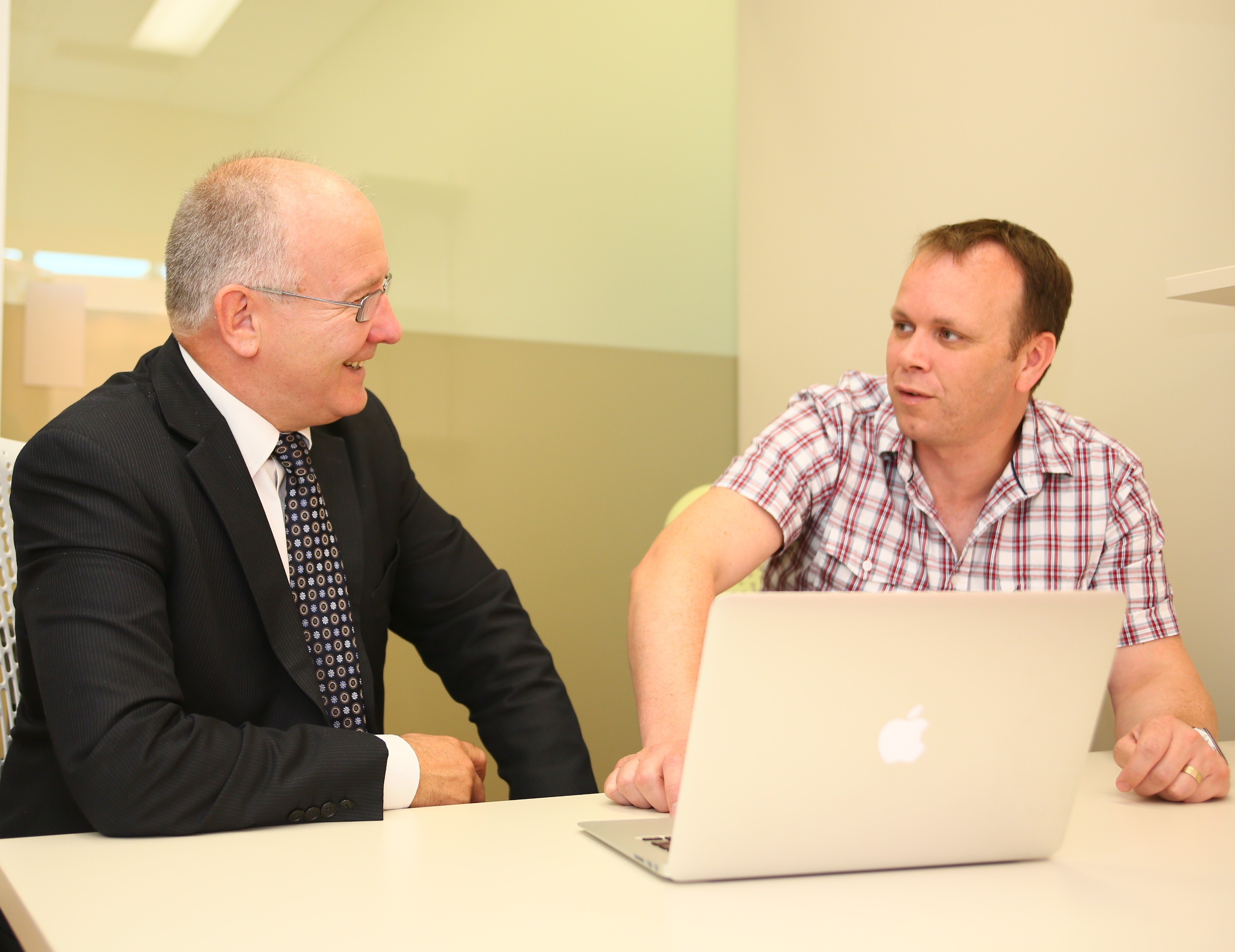
In addition to working with colleagues in Belfast, Ireland, Leicester in the UK and in Japan, Professor Richard has collaborated closely with a previously OCRF-funded researcher Professor John Hooper. Professor Hooper has been instrumental to Professor Richard’s research by enabling the team to access ovarian cancer samples and specific models that can more closely mimic the complexities of ovarian cancer in the body, providing more accurate ways to test their treatments and how high-grade serous becomes resistant.
For every project like this, many more can’t get underway due to a lack of funding. Support research like this to help them move forward.
Share page

Get the latest news, stories & updates.
