OCRF-funded research identifies new treatment approach to overcome immune suppression in high-grade serous ovarian cancer
May 05, 2026
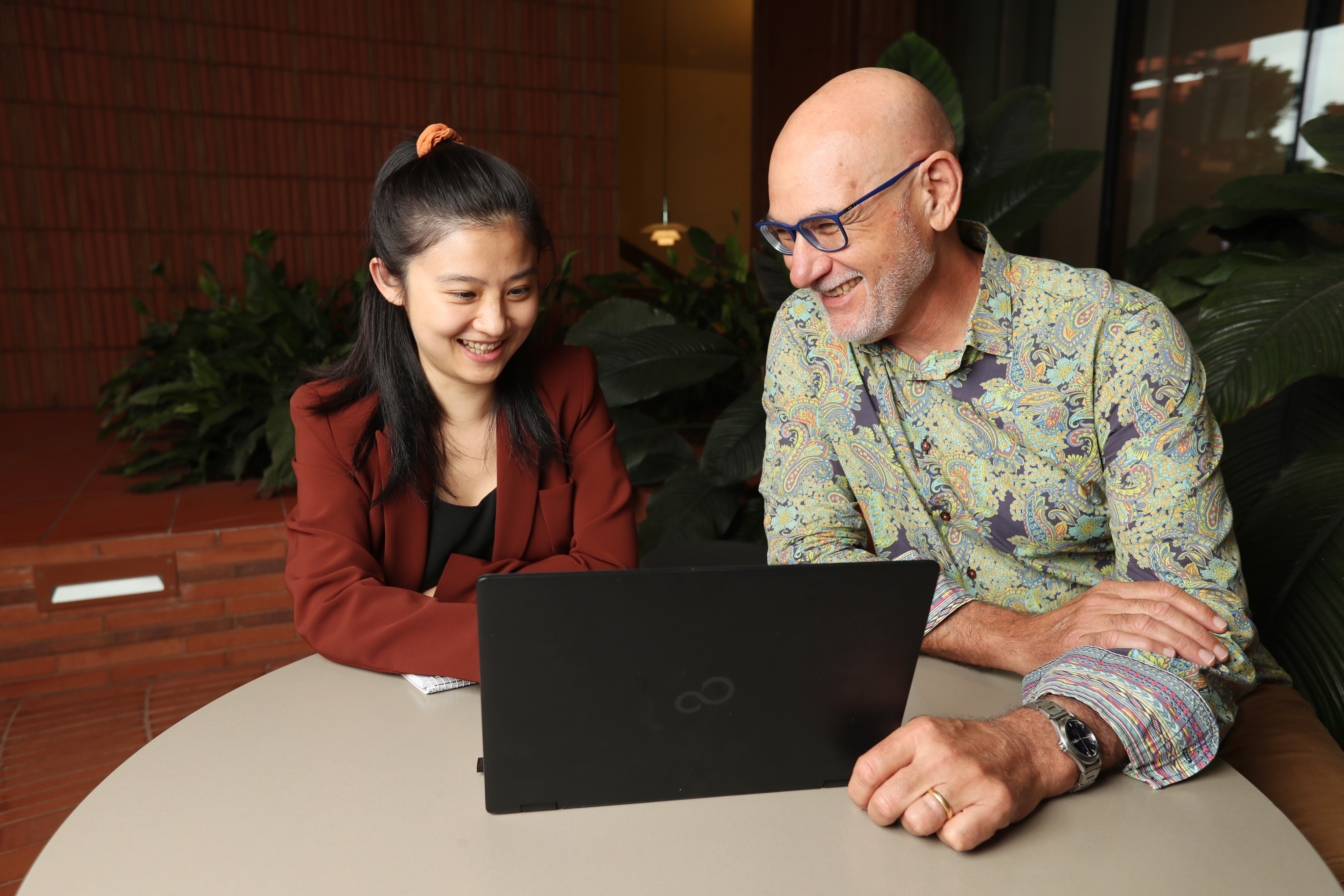
New research out of Mater Research, University of Queensland, funded by the OCRF and published in the British Journal of Cancer, has found that a novel drug combination can kill treatment-resistant high-grade serous ovarian cancer cells and activate the immune system to fight the tumour – offering a promising new strategy for this hard-to-treat cancer.
Reading time: 4 minutes
Image: Dr Jenny Zeng and Prof Brian Gabrielli
What this OCRF-funded study investigated
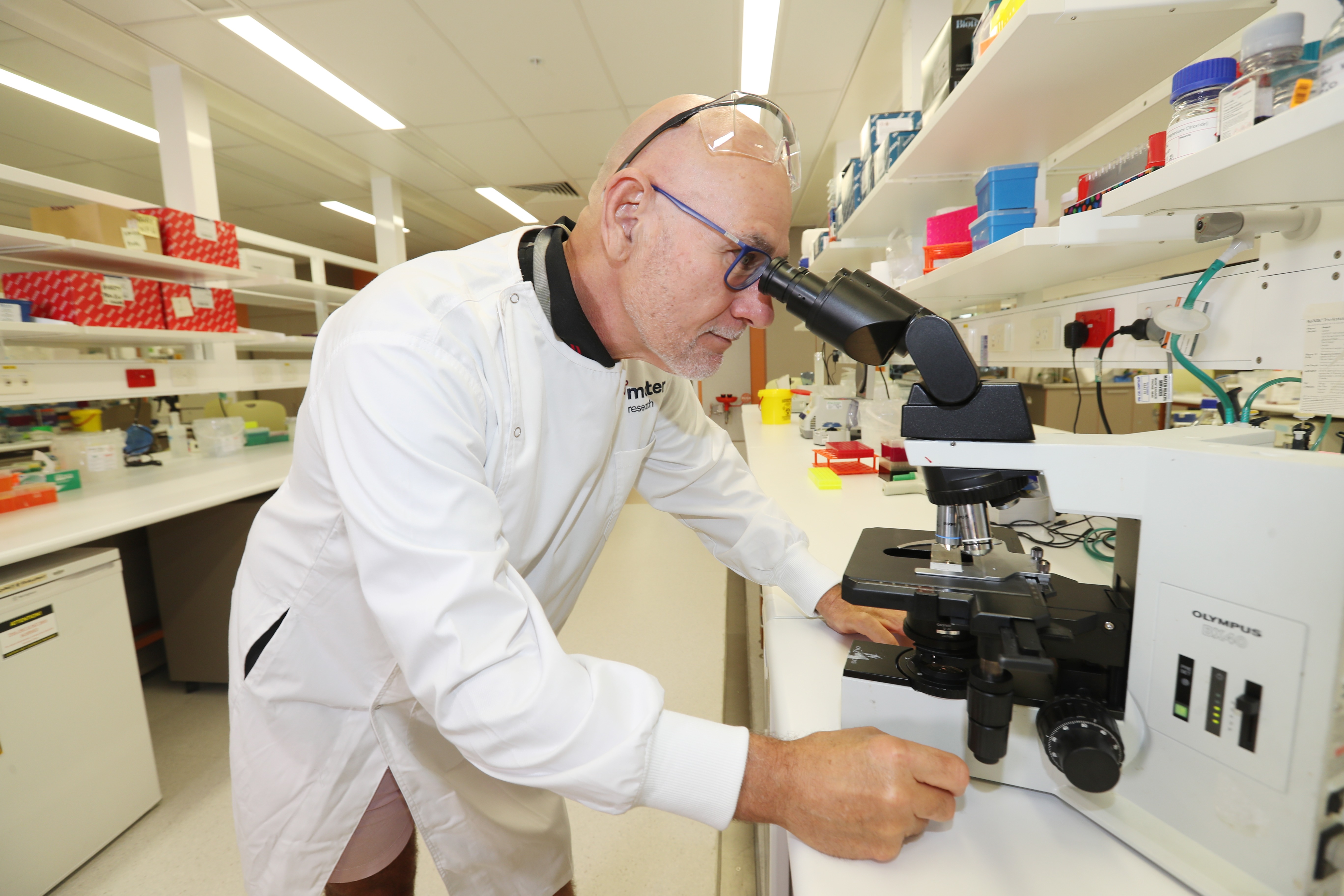
Published in the British Journal of Cancer, OCRF-funded research led by Professor Brian Gabrielli at Mater Research investigated whether a combination of two drugs, a DNA-damaging drug called a CHK1 inhibitor together with a low-dose chemotherapy, hydroxyurea (LDHU) which are both given in tablet form, could address these challenges in HGSOC.
How does the combination work?
Cancer cells tend to copy their DNA rapidly and imperfectly, leading to a build-up of errors and stress within the cell. A protein called CHK1 helps cancer cells manage and survive this stress. CHK1 inhibitors block this survival mechanism, making cancer cells more vulnerable to cell death. The addition of low-dose hydroxyurea creates additional cellular stress that greatly amplifies this effect only in cancer cells while sparing healthy cells.
What did the study find?
The research team tested this combination across a broad range of ovarian cancer models in the lab, including cancer cell lines and tumour cells taken directly from patient ascites (abdominal fluid) samples.
In their studies, the combination was effective across a wide range of high-grade serous ovarian cancer cell types, including cells that do not respond to standard-of-care chemotherapy.
In preclinical studies, the combination significantly reduced both tumour growth and the build-up of fluid in the abdomen (ascites), a common and uncomfortable complication of ovarian cancer, and did not appear to cause significant side effects.
The combination also caused cancer cells to release signals that help recruit and activate immune cells, shifting the environment around the tumour from one that suppresses the immune system to one that supports anti-tumour immune activity.
It also reduced the presence of cells that suppress immune activity, and increased the activation of a type of immune cell called CD8+ T cells which are responsible for directly killing tumour cells.
This study supports a promising therapy that not only directly attacks ovarian cancer cells but also reshapes the tumour immune microenvironment, thereby enhancing anti-tumour immunity and creating exciting opportunities for future combination immunotherapy strategies.
Dr Jenny Zeng, Mater Research, the first author on the study.
Why this research matters
High-grade serous ovarian cancer (HGSOC) is the most common form of ovarian cancer. While many patients respond well to initial treatment, the cancer can become resistant to standard therapies over time, leaving fewer effective options available.
Immunotherapy works by harnessing the body's own immune system to recognise and attack cancer cells. This has vastly improved outcomes in many cancers, but the same successes have not been seen for ovarian cancer.
This study is important because it demonstrates that researchers can use a combination of two orally delivered drugs at low doses to effectively kill treatment resistant ovarian cancer cells – at least in lab conditions. Additionally, this combination may be associated with lower toxicities compared to other treatments.
This new research suggests this drug combination could help change the immune environment around the tumour, potentially opening the door to immunotherapy benefiting a broader group of ovarian cancer patients in future.
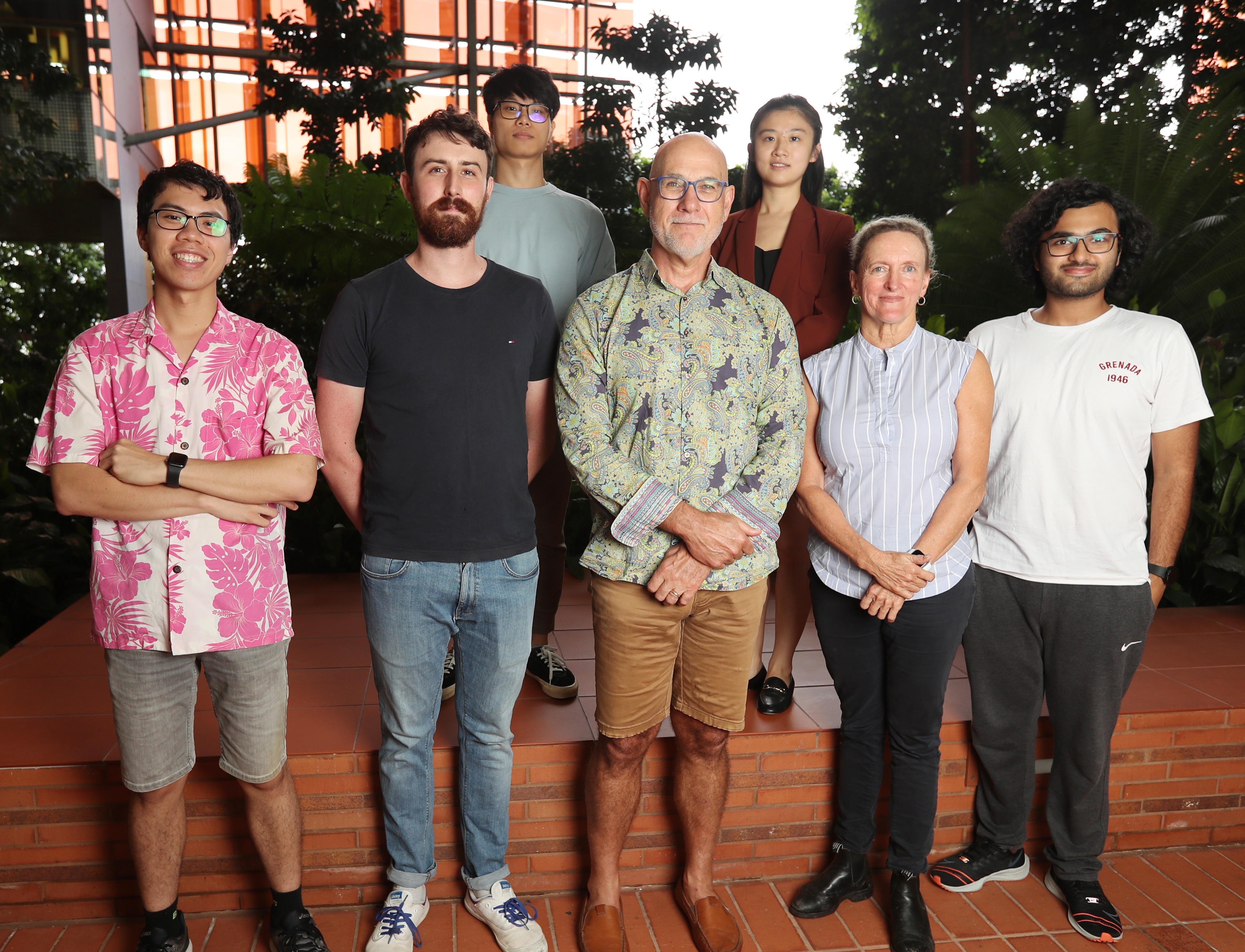
Importantly, the combination showed activity across different cancer cell types regardless of their genetic make-up - a finding that could be relevant for many patients.
The recent approval of immunotherapy for some patients with ovarian cancer marks progress, but treatment responses vary from person to person, so expanding the range of available options remains a critical goal.
What this means for patients
These findings are based on laboratory and preclinical studies, and this treatment is not yet available as a clinical option. The next is to progress this into human clinical trials to confirm the findings before it could become part of standard clinical care.
What comes next?
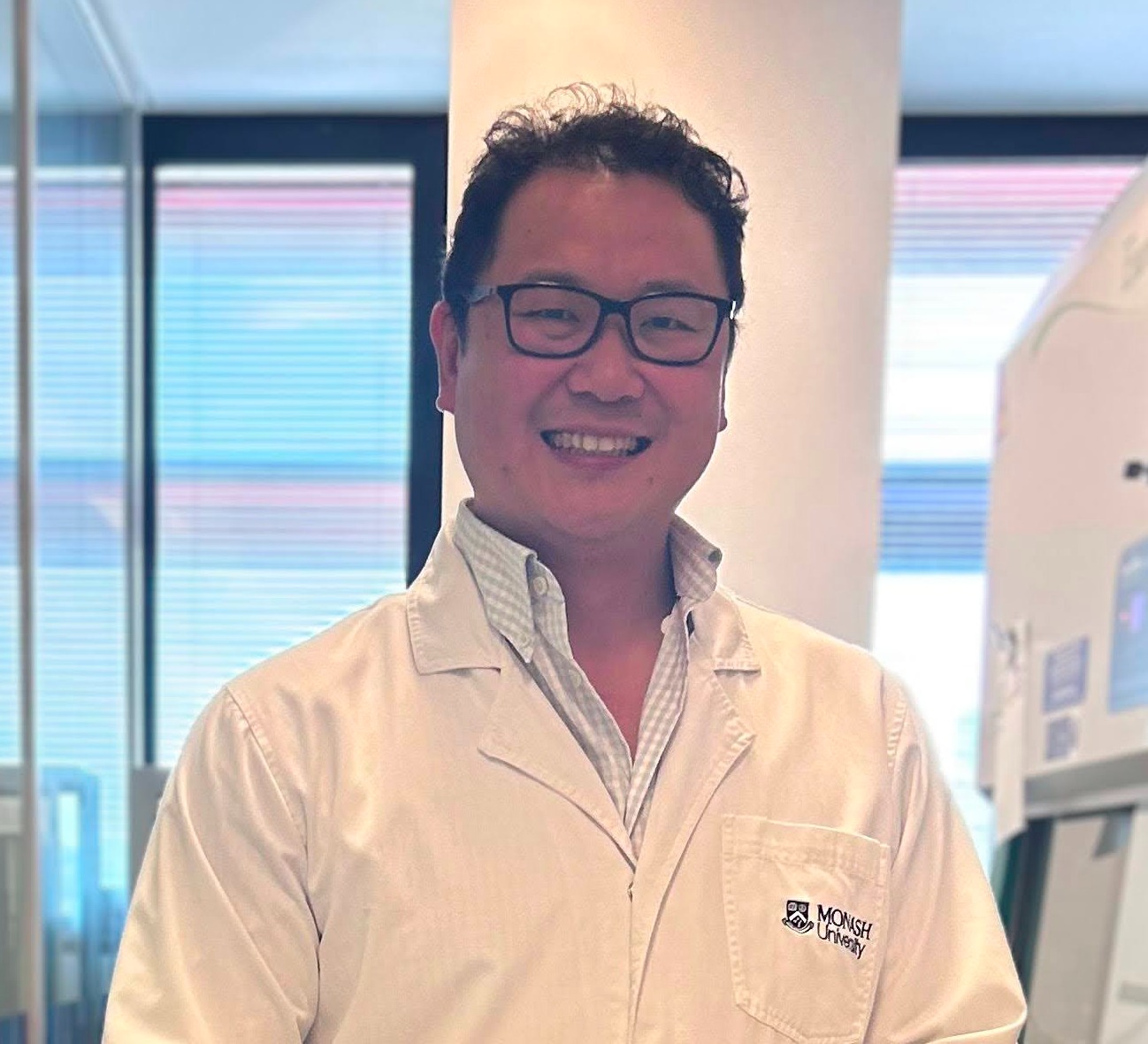
Building on these promising findings, OCRF-funded researcher Dr Gwo-Yaw Ho is now leading a follow-on study investigating whether adding a conventional immunotherapy drug called a PD-L1 inhibitor to this combination could further strengthen the immune response against these tumours. Given that the drug combination studied here appears to already be activating the immune environment, adding this type of immunotherapy could potentially make the overall treatment more effective.
“Too often, patients with ovarian cancer are told there are limited treatment options. This research is focused on changing that by developing new ways to make the immune system work more effectively against these cancers.”
Dr Gwo-Yaw Ho, Consultant Medical Oncologist and OCRF-funded researcher at Monash Health and Monash University, a collaborator on the study.
- Zeng Z, Gandini A, Bhatt R, et al. Using targeted therapy to promote a pro-inflammatory tumour microenvironment and anti-tumour immune response in high grade serous ovarian cancer. British Journal of Cancer. 2026. https://doi.org/10.1038/s41416-026-03416-y
Related OCRF articles

Get the latest news, stories & updates.
