Celebrating 25 years of progress and hope with our largest funding announcement to date — $3.5M accelerates crucial ovarian cancer research!
March 19, 2025
In a fitting celebration in our 25th anniversary year, we are delighted to announce OCRF’s largest ever funding round, awarding $3.5M across eight innovative and important ovarian cancer research projects in our 2025 National Research Grants Program.
This significant investment highlights the progress we are making and takes us ever closer to our vision of a healthy, vital future for all those affected by ovarian cancer. Since 2000, the OCRF has distributed $30 million to more than 60 ovarian cancer research projects.
Five of the eight grants are newly supported by the OCRF, including the first-ever projects supported by the Mother’s Day Classic Foundation in association with the OCRF. Another is an extension of an existing OCRF grant and two grants have been made in collaboration with the Australian Cancer Research Foundation.
Better treatments will improve and save lives
While progress is being made, treatment options for most subtypes of ovarian cancer remain limited, and recurrence is common, especially for stage 3 and 4 disease. This year’s grants are focused on research that will improve treatment solutions to improve the quality of life and survival for women who have received an ovarian cancer diagnosis, including rarer sub-types.
Three of the 2025 grantees are investigating rare subtypes of ovarian cancer with the aim of ensuring all those with ovarian cancer have effective treatment options.
- Associate Professor Kylie Gorringe’s team at the Peter MacCallum Cancer Centre will examine proteins on the surface of mucinous ovarian cancer cells with the aim of identifying a new treatment.
- At QUT in Queensland, Dr Emma Bolderson will investigate the biology of rare ovarian clear cell carcinoma cells to determine a potential treatment solution.
- Associate Professor Simon Chu’s lab at Hudson Medical Research Institute will progress a treatment approach for adult granulosa cell tumours, another rare subtype.

Associate Professor Kylie Gorringe

Dr Emma Bolderson
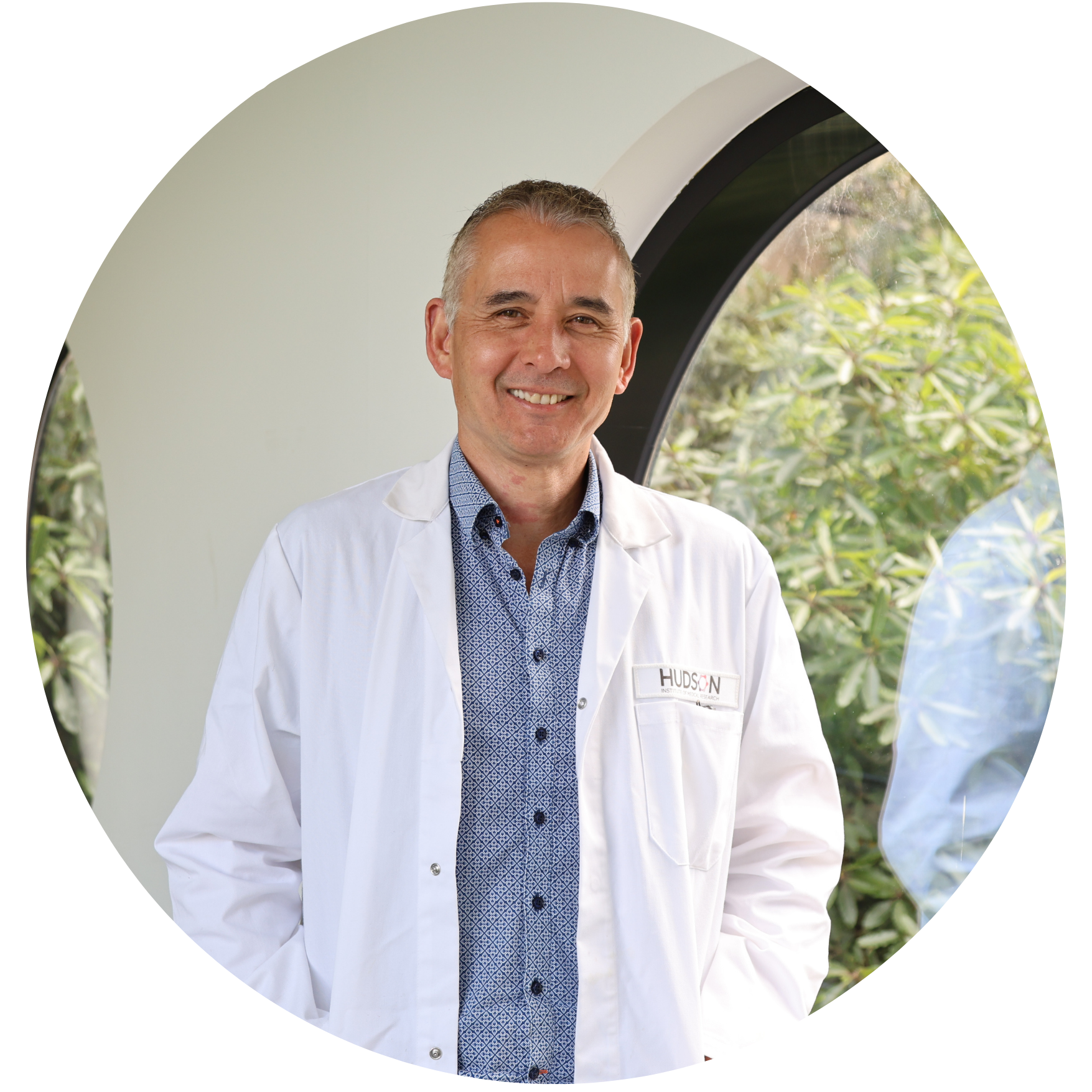
Associate Professor Simon Chu
Examining the immune system to tackle the most common form of ovarian cancer
Immunotherapies, which help the immune system activate against cancer cells, have shown promise in other cancers but, to date, this hasn’t been the story for ovarian cancer. However, supported by OCRF donations, two Victorian-based research teams hope to change this.
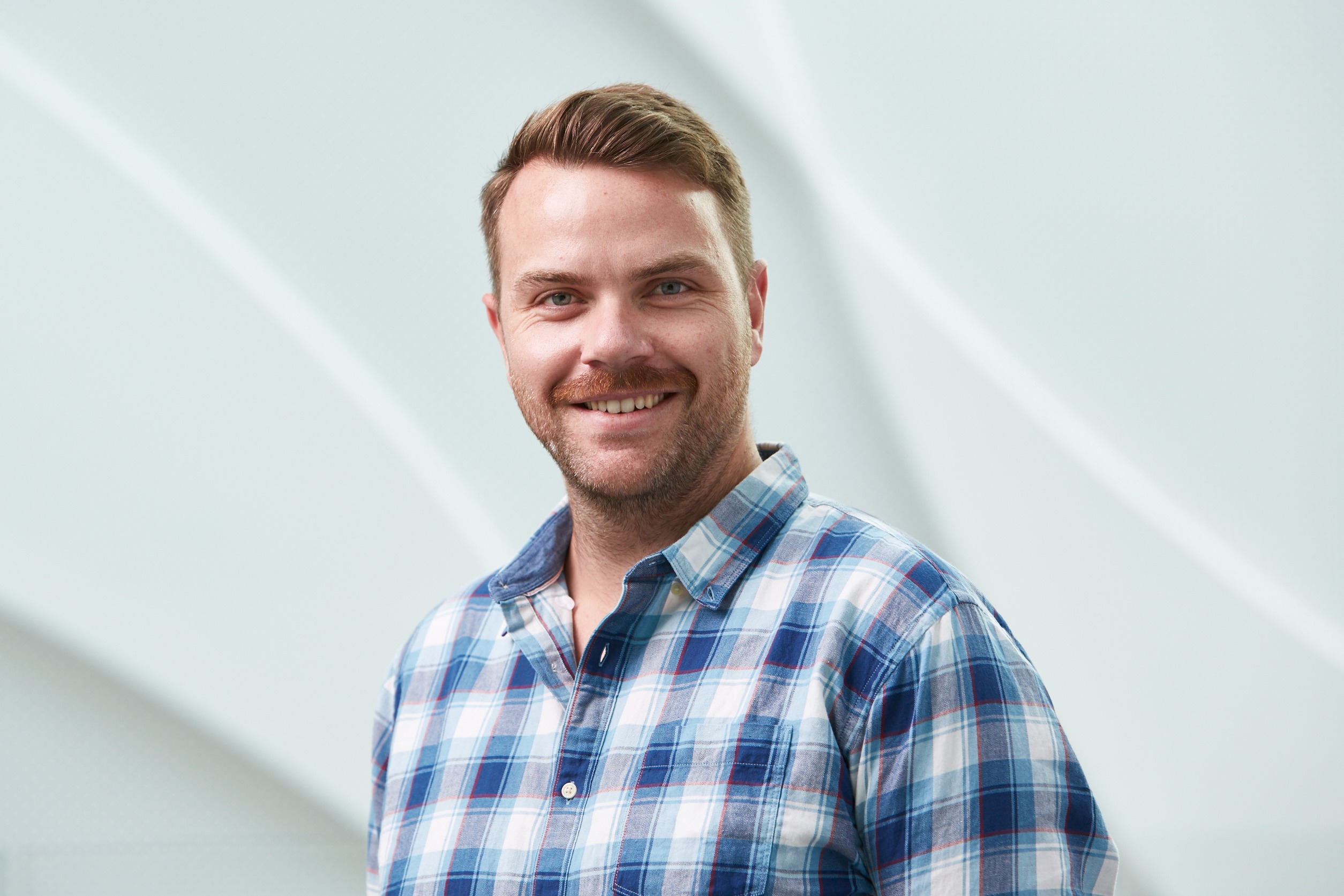
Some high-grade serous ovarian cancer patients survive long-term despite the aggressiveness of the disease. A group of them are working with Dr Dale Garsed and his team at the Peter MacCallum Cancer Centre to determine why.
In this project, examining the immune systems of exceptional survivors, they hope to identify how certain immune cells are aiding survival, to inform development of a treatment that reproduces this anti-cancer behaviour.
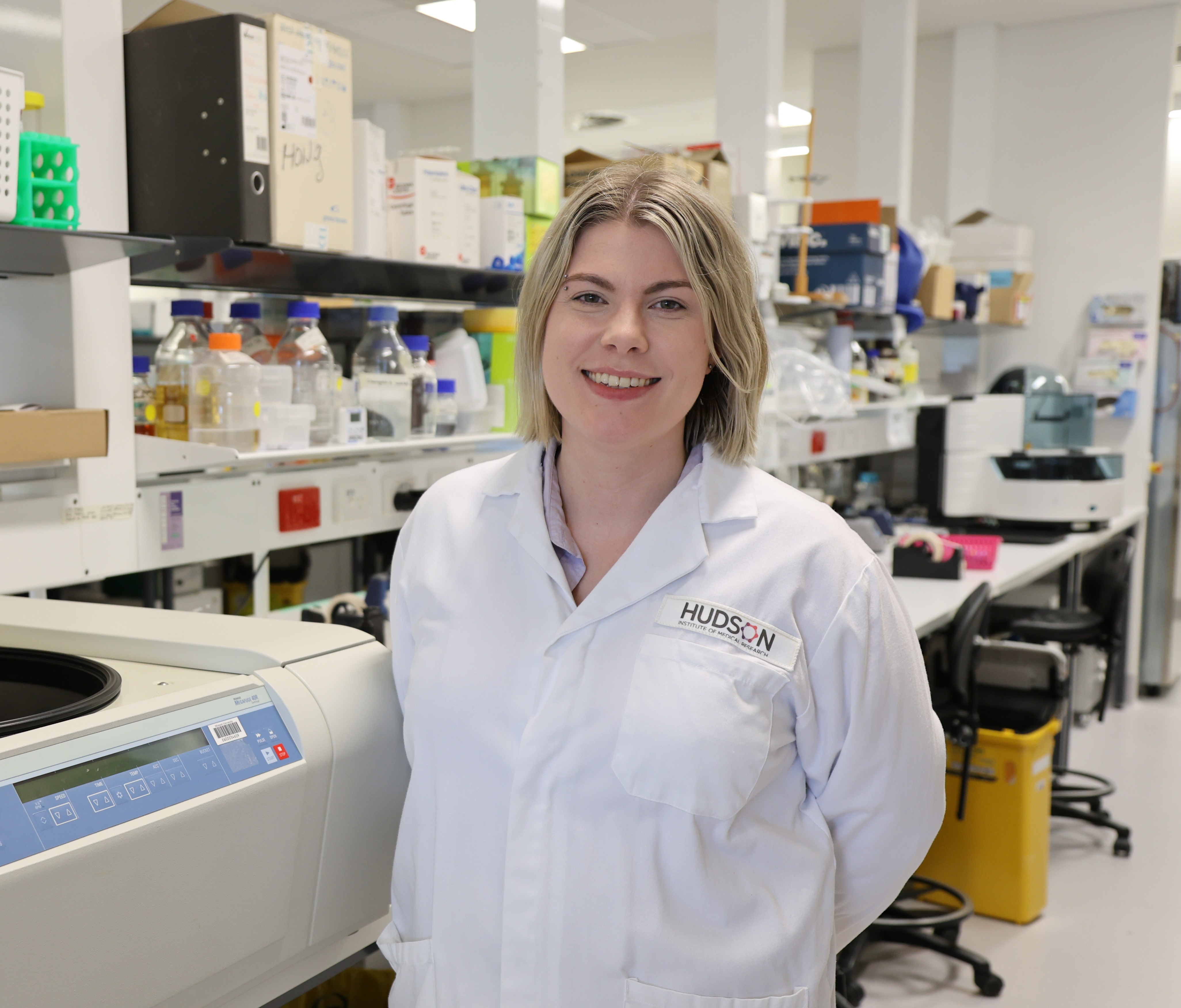
At the Hudson Institute of Medical Research, Dr Nicole Campbell will lead a project that aims to progress an immunotherapy for high-grade serous ovarian cancer focused on a naturally-occurring protein, called interferon epsilon.
The grants to Dr Campbell and Associate Professor Gorringe are supported by the Mother’s Day Classic Foundation in association with OCRF.
Early detection remains key
These new grants signal the importance of a comprehensive and multi-faceted approach to overcoming ovarian cancer. Several ongoing grants are making great progress in early detection approaches, including one at Griffith University led by Professor Michael Jennings: one of this year’s grants provides a further year of funding to support this project.
The final two grants made in this year’s program are collaborations with the Australian Cancer Research Foundation, enabling ovarian cancer research to be undertaken using highly innovative technology at Peter MacCallum Cancer Centre and QIMR Berghofer.
Donations can’t turn into discoveries without you.
Marking our 25th anniversary with our largest funding commitment to date, the OCRF reflects upon all we’ve achieved. Every dollar comes from you — the OCRF community. Together, for over two decades, you’ve helped us enable researchers to drive momentum and progress that offers hope of a healthy, vital future to all those impacted by ovarian cancer.
Read more about the research projects

Associate Professor Kylie Gorringe
Examining proteins on the surface of mucinous ovarian cancer cells with the aim of identifying a new treatment.
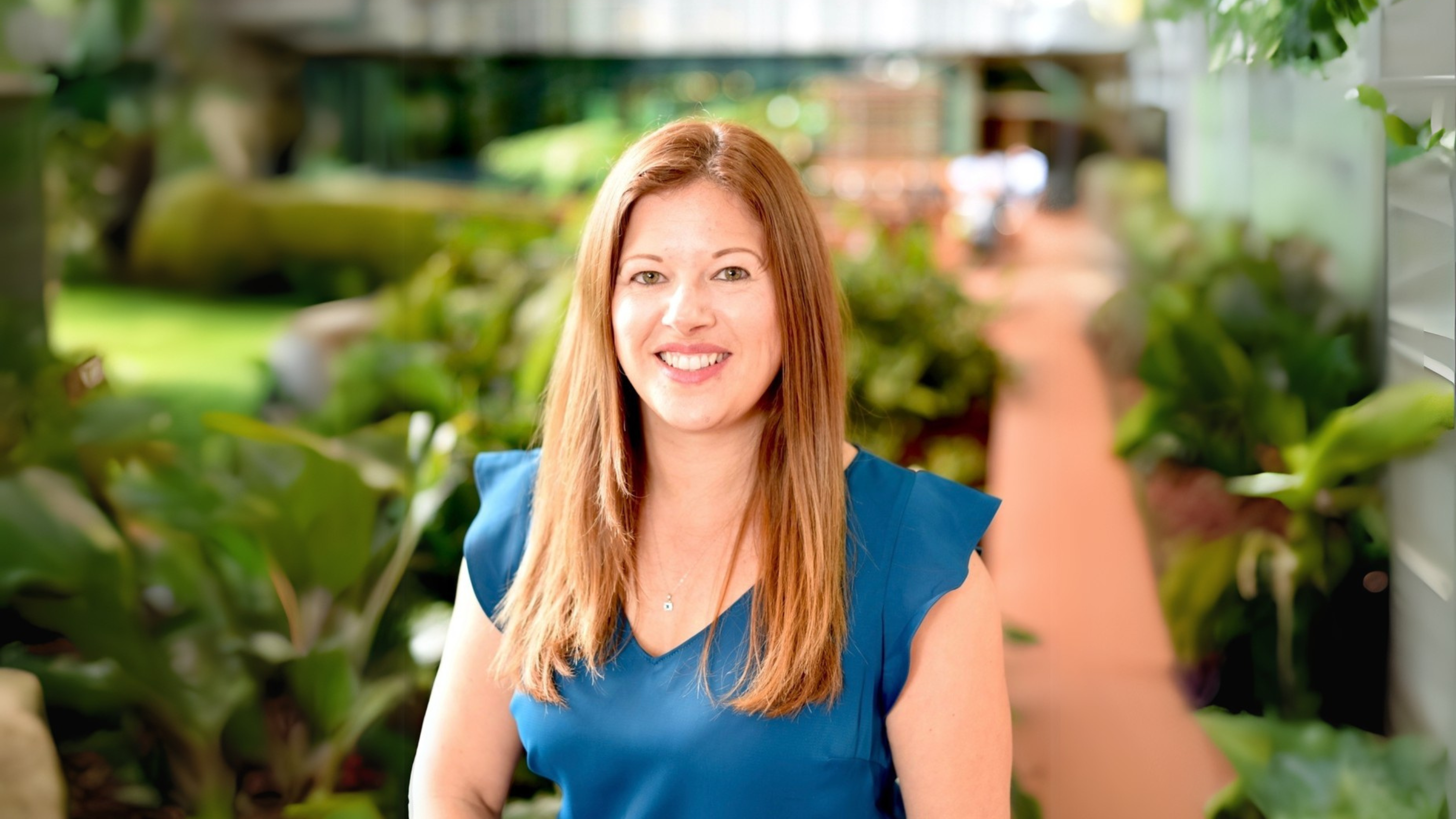
Dr Emma Bolderson
Investigating the biology of rare ovarian clear cell carcinoma cells to determine a potential treatment solution.
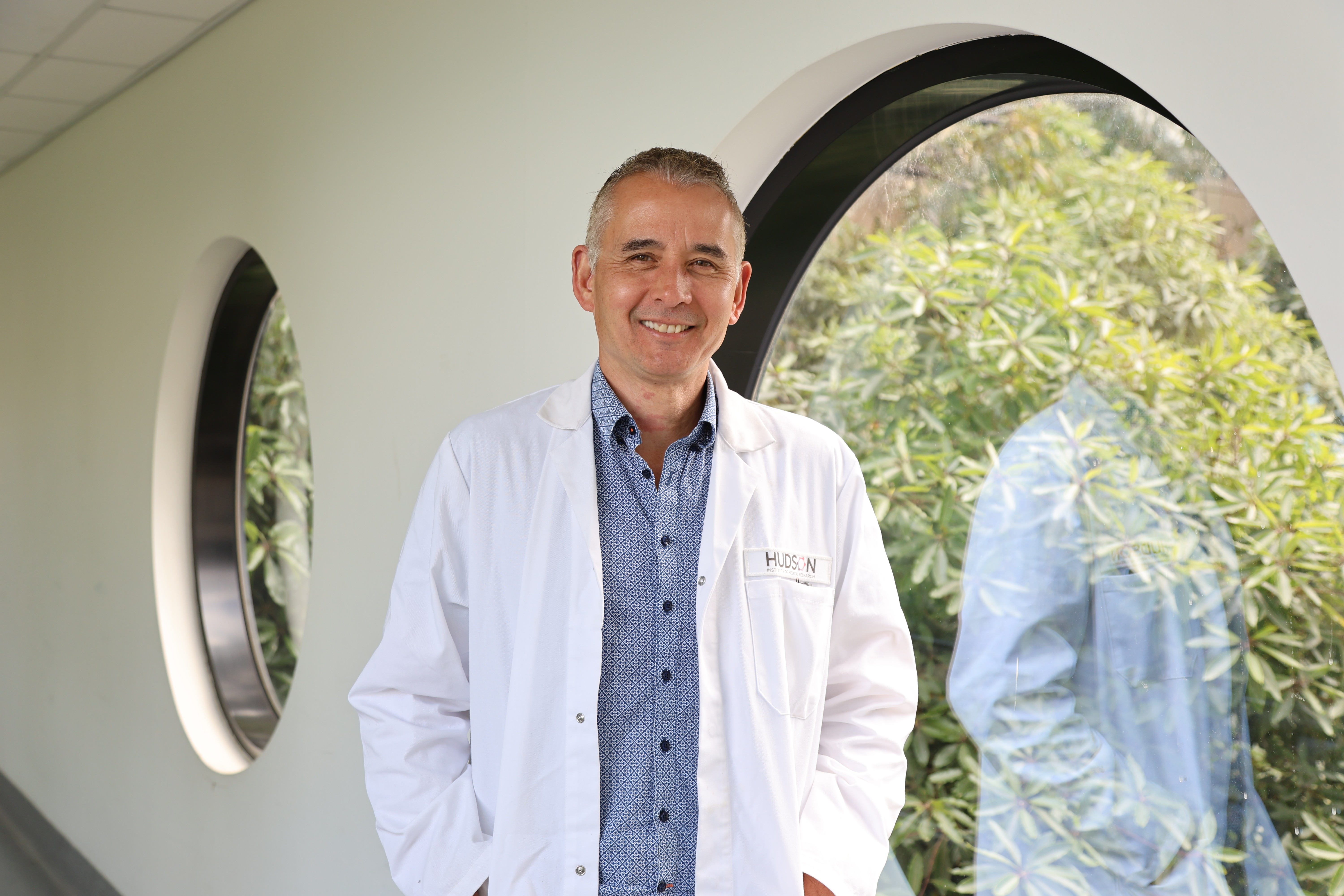
Associate Professor Simon Chu
Progressing a treatment approach for adult granulosa cell tumours, another rare subtype of ovarian cancer.
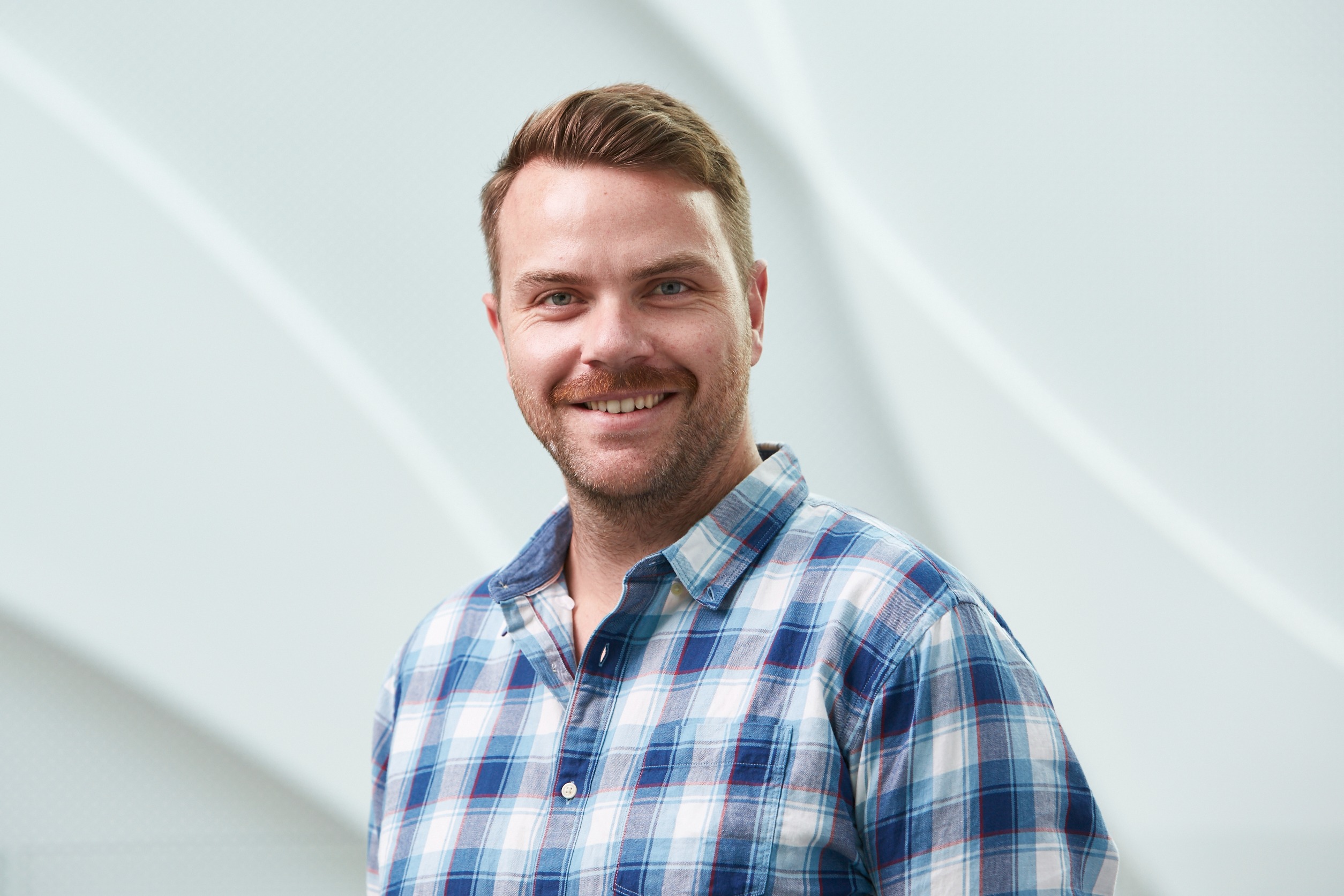
Dr Dale Garsed
Investigating the reasons why some high-grade serous ovarian cancer patients survive long-term, despite the aggressiveness of the disease.
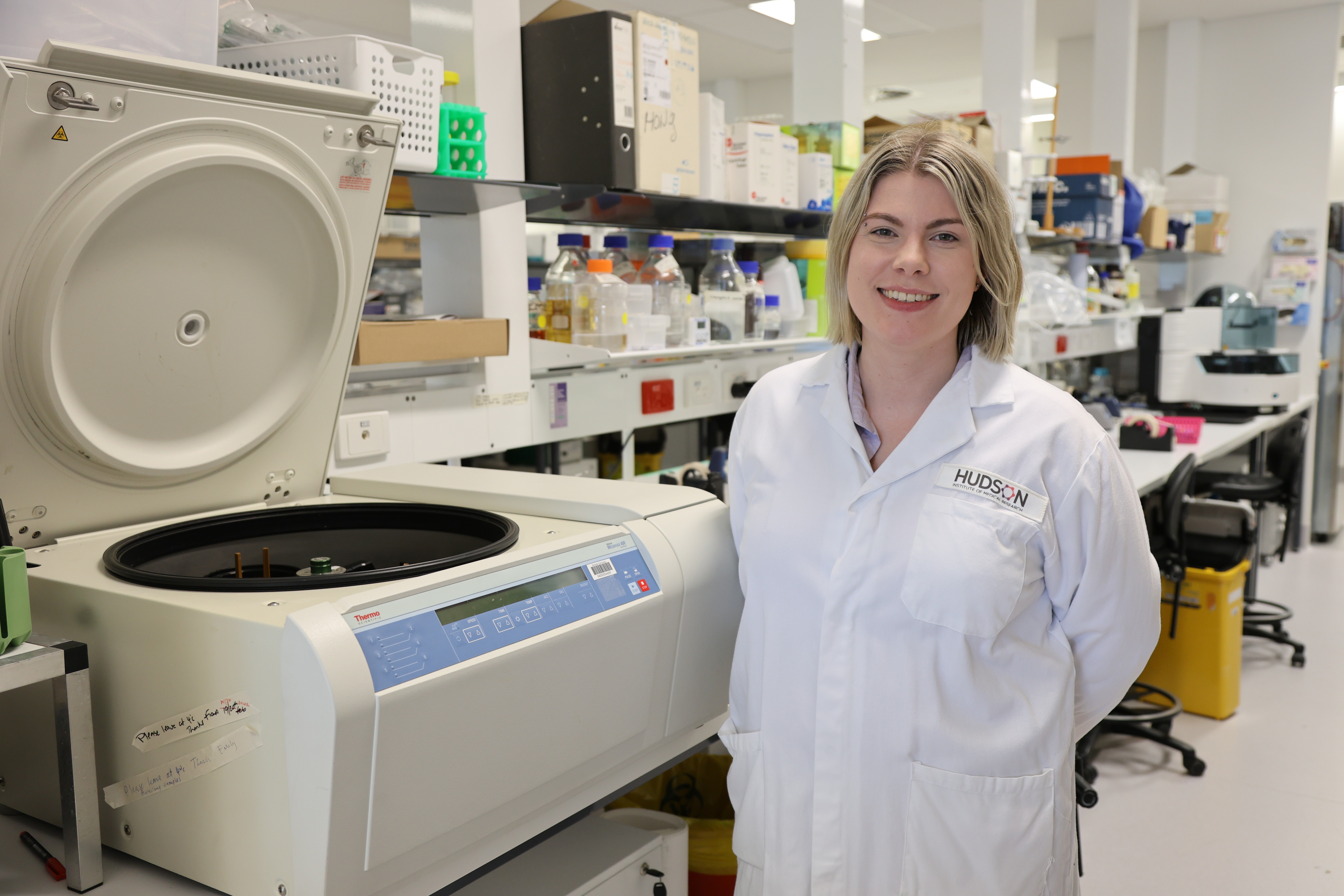
Dr Nicole Campbell
Leading a project that aims to progress an immunotherapy for high-grade serous ovarian cancer focused on a naturally-occurring protein, called interferon epsilon.

Get the latest news, stories & updates.
